

Lauriacum, at Enns-Lorch in Upper Austria, was the largest and most important military base of the Roman province of Noricum, a legionary fortress with a civil town beside it. Little of it stands today: what you can see is one of the best-preserved Roman lime kilns ever found, a large museum of finds, Roman walls under a basilica and a few traces of the fortress in the streets.
What is there today
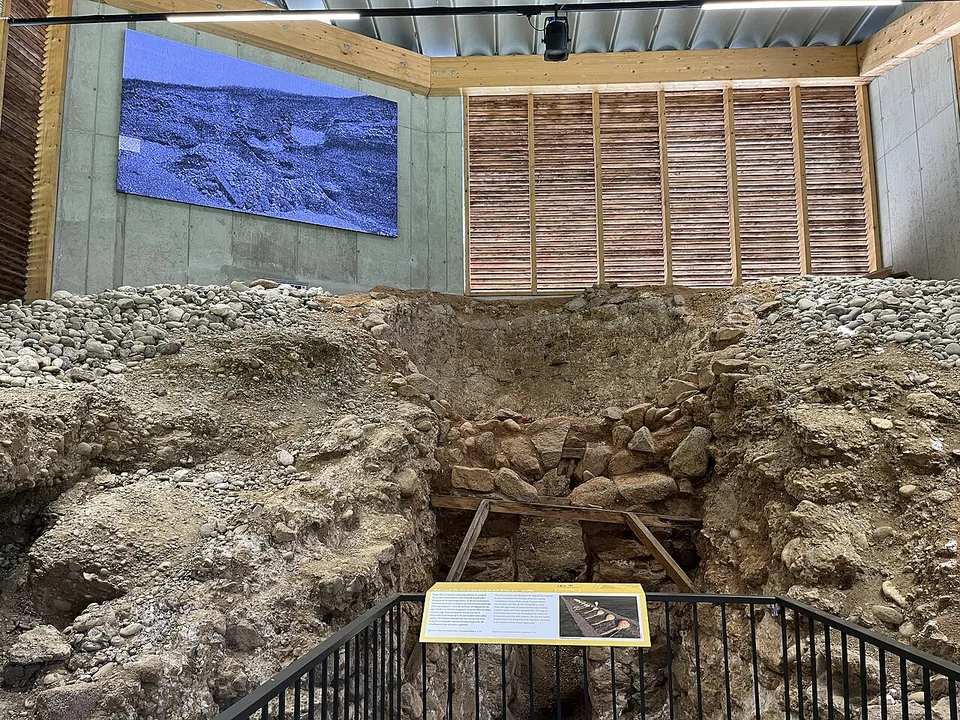
The most striking survivor is the lime kiln. The fortress had one of the largest Roman lime works known, with twelve kilns in use from the late 2nd century near its north corner, and kiln 9 is over 4 m high and 3.8 m across at its widest, probably the most completely preserved Roman lime kiln yet found. Since 2020 it has stood in its own protective building, free to visit, with a multimedia presentation on how lime was made and used in Roman building (de.wikipedia).
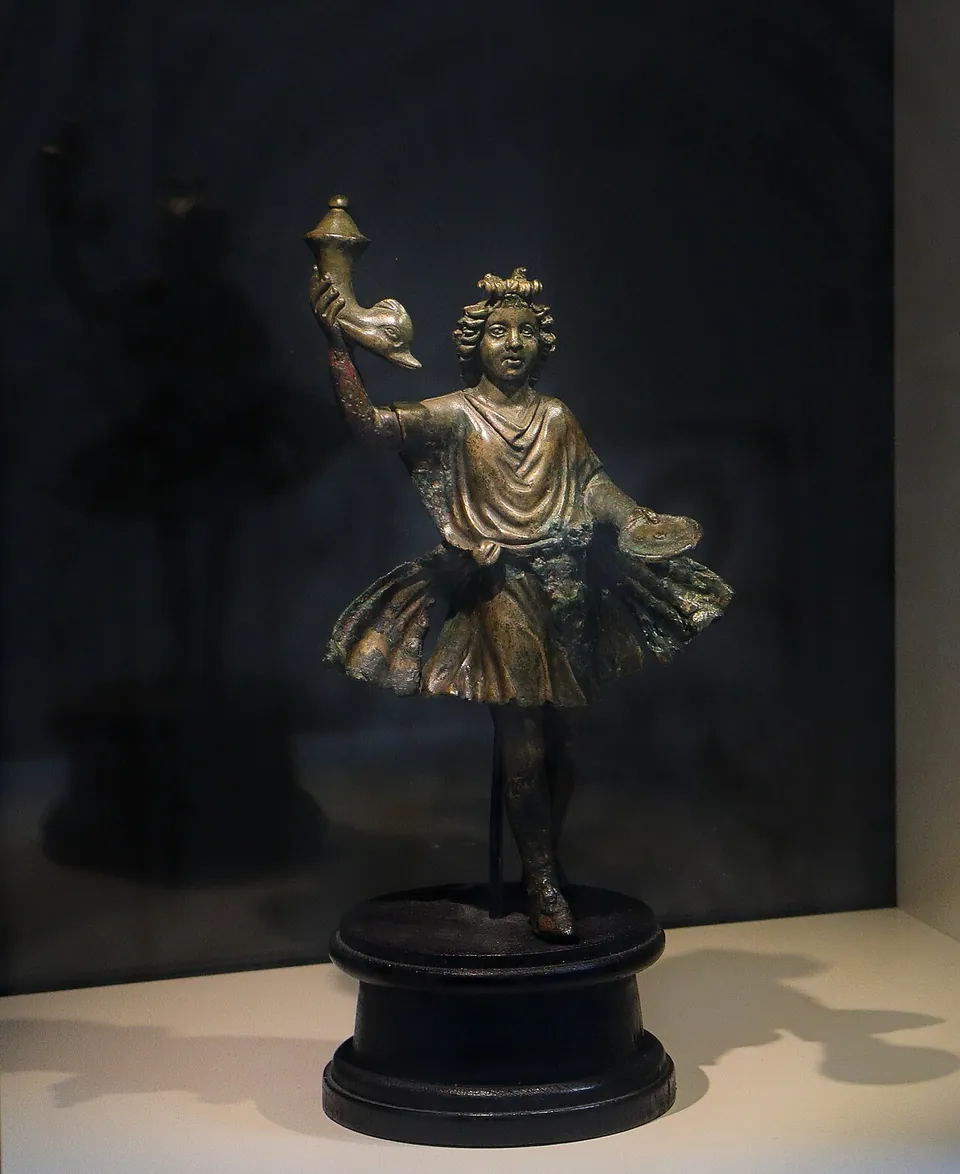
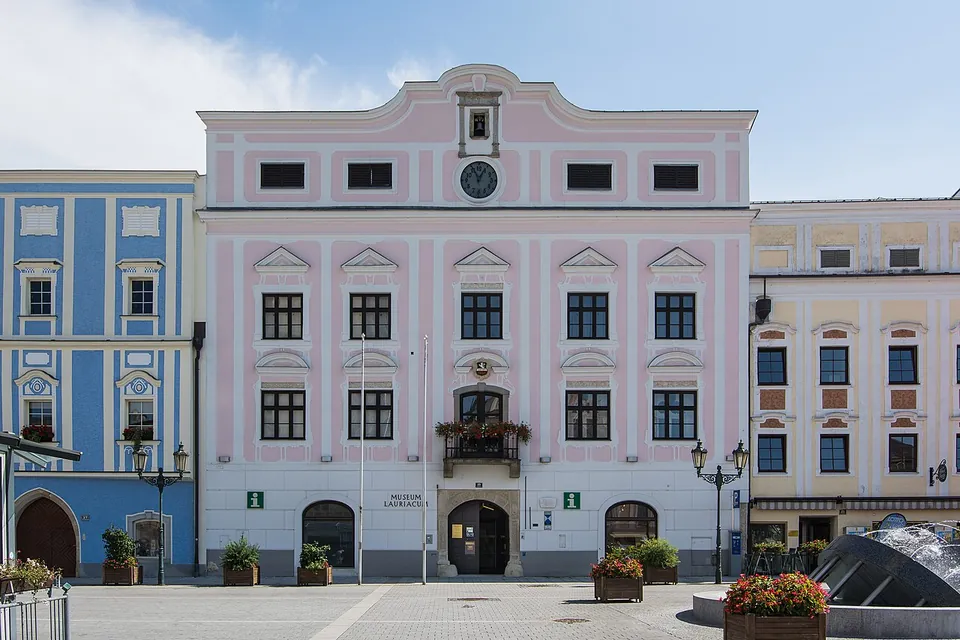
The finds are in the Museum Lauriacum, founded in 1892 and housed in the baroque former town hall on the main square. It holds one of the most extensive Roman collections in Austria: the monumental building inscription of the fortress, military equipment, gravestones and objects of daily life, and on the first floor the largest hoard of Roman silver tableware found in Austria and an almost completely restored painted ceiling from the civil town (de.wikipedia).
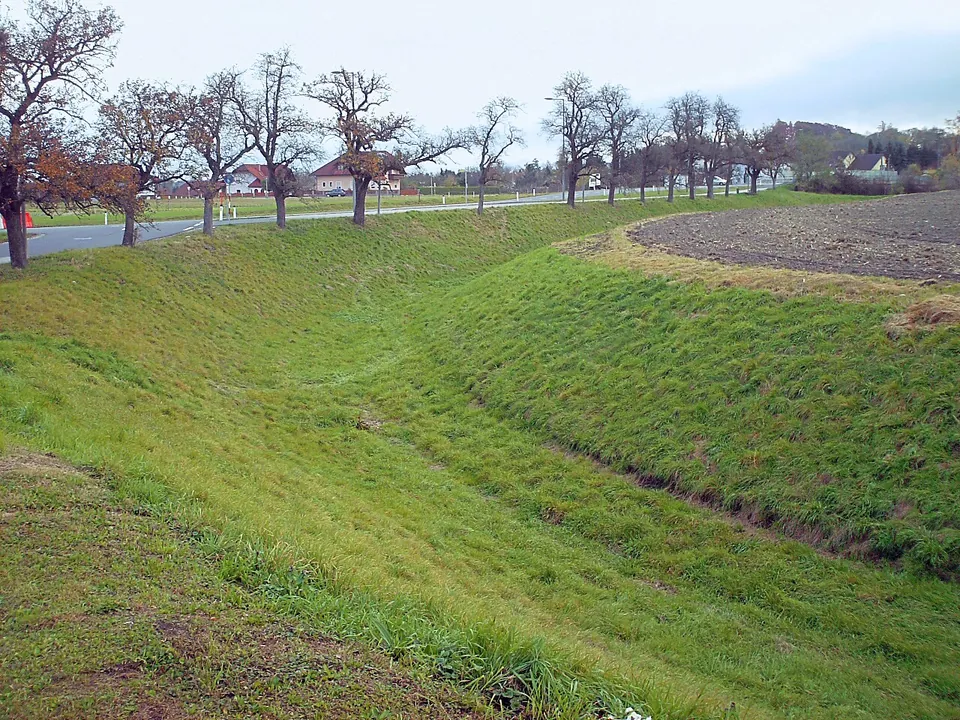
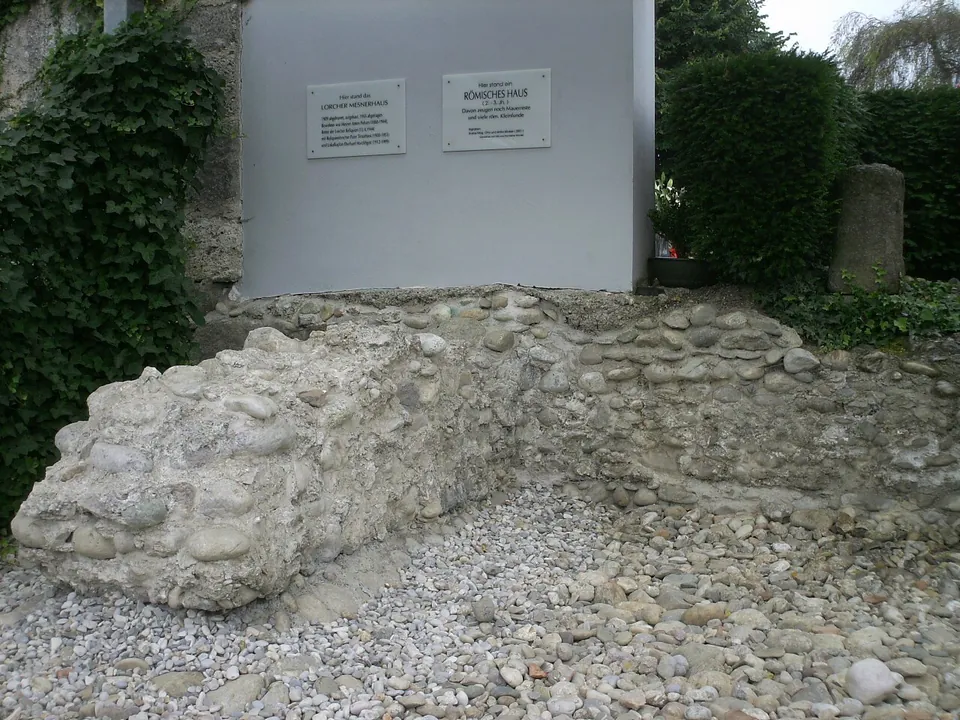
Under the basilica of St. Laurenz, a little outside the town centre, excavation found a 2nd-century house built round a courtyard, perhaps the residence of the governor or the legion’s commander, and a heated hall of about AD 370 that its excavator read as an early Christian memorial church, a reading that is disputed; the remains can be seen in the lower church (de.wikipedia). A signposted town trail starts from the basilica and passes the site of the fortress’s south-west gate, its main street and the ditch at its north-west corner (de.wikipedia). The fortress itself, about 21.5 hectares, is mostly built over or divided into plots and is cut diagonally by the Westbahn railway; part of the line of its wall and two ditches can still be followed along Römergraben, Bahnhofweg, Teichweg and Lorcher Straße (de.wikipedia).
Is it worth the trip?
Worth a stop rather than a journey. If you are passing along the Danube or on the Westbahn railway, half a day in Enns gives you a good museum, a kiln as complete as any yet found, and the satisfaction of walking the outline of a legionary fortress. But there are no standing ruins here on the scale of Carnuntum, and the trail’s signposting is sparse (de.wikipedia). Go between April and October: the kilns close for the winter, and from November the museum opens only on weekdays.
Getting there
Enns railway station is about 750 m from the lime kilns, and the Museum Lauriacum is on Hauptplatz in the old town, about 1.2 km from the station and about 1.1 km from the kilns (OpenStreetMap). The kilns are at Lorcher Straße 62 and are open daily 10.00–18.00 from 29 March to 31 October 2026, free (OÖ Kultur). The museum is open Tuesday to Sunday 09.00–17.00 from May to October and Tuesday to Friday 09.00–15.00 from November to April, closed on Mondays; a ticket is €7.50, €5 reduced, €3 for ages 6 to 15, and €15 for a family of two adults and a child (enns-museen.at, read 5 October 2026). The parish publishes no opening times for the lower church of St. Laurenz; the regional tourist board lists guided tours by arrangement.
Visiting details
- Opening hours
- Museum Lauriacum, Hauptplatz 19 - Tuesday to Sunday 09.00–17.00 from 1 May to 31 October (open on public holidays), Tuesday to Friday 09.00–15.00 from 1 November to 30 April; closed on Mondays. Roman lime kilns, Lorcher Straße 62 - daily 10.00–18.00 from 29 March to 31 October 2026.
- Tickets
- The lime kilns are free. Museum Lauriacum €7.50; reduced €5; ages 6–15 €3; under-6s free; family (two adults and a child) €15.
Before you go
- The lime kilns close for the winter after 31 October, and from 1 November the museum opens on weekdays only (Tuesday to Friday).
Hours and prices checked 5 October 2026 on the operator's own site. Confirm before travelling.
History
Lauriacum grew from a road station at a crossing of important trade routes. Around AD 200 the Legio II Italica, having given up an earlier fortress at Albing, built a legionary fortress here, and it became the largest and most important military base in Noricum and, with Virunum and Ovilava, one of the province’s seats of administration (de.wikipedia). An inscription of 18 September 191, found at the high altar of St. Laurenz, is the oldest evidence of the legion in Noricum (de.wikipedia).
A large civil settlement grew up to the north-west and south-west of the camp; it was probably made a municipium in the early 3rd century and became a bishop’s seat in the 5th. In late antiquity Lauriacum was a base for a flotilla of patrol boats and the site of a state shield factory, and after Rome gave up the frontier in Noricum it served once more as a refuge and gathering point when Severinus of Noricum evacuated the Roman population (de.wikipedia). Most of what the Romans built was later lost to stone robbing, building, farming and erosion; the remains have been part of the Danube Limes World Heritage Site since 2021 (de.wikipedia).
More photographs


Sources
Every fact on this page comes from the records below, each used under the licence noted.
| Source | Licence |
|---|---|
| Pleiades 118802 | CC BY |
| Wikidata Q388745 | CC0 |
| Vici.org 7301 | CC BY-SA (text), CC0 (metadata) |
| OpenStreetMap node/6840259490 | ODbL |
| Wikidata — Römisches Legionslager Lauriacum, Zentralbereich (Q37832281, protected monument 131012) | licence not recorded |
| Wikipedia (de) — Lauriacum | CC BY-SA 4.0 |
| Wikipedia (en) — Lauriacum | CC BY-SA 4.0 |
| Ennser Museen — Museum Lauriacum (the operator) | licence not recorded |
| OÖ Kultur — Römische Kalkbrennöfen Enns (the operator) | licence not recorded |