

Kabile is an ancient Thracian town 10 km from Yambol that became the main Roman military base of the province of Thrace, and its excavated fort, baths and a basilica lie in an archaeological reserve on and below the hill of Zaychi Vrah (bg.wikipedia). It is older than Rome and its story is largely Thracian; the Roman camp is what stands out on the ground.
What is there today
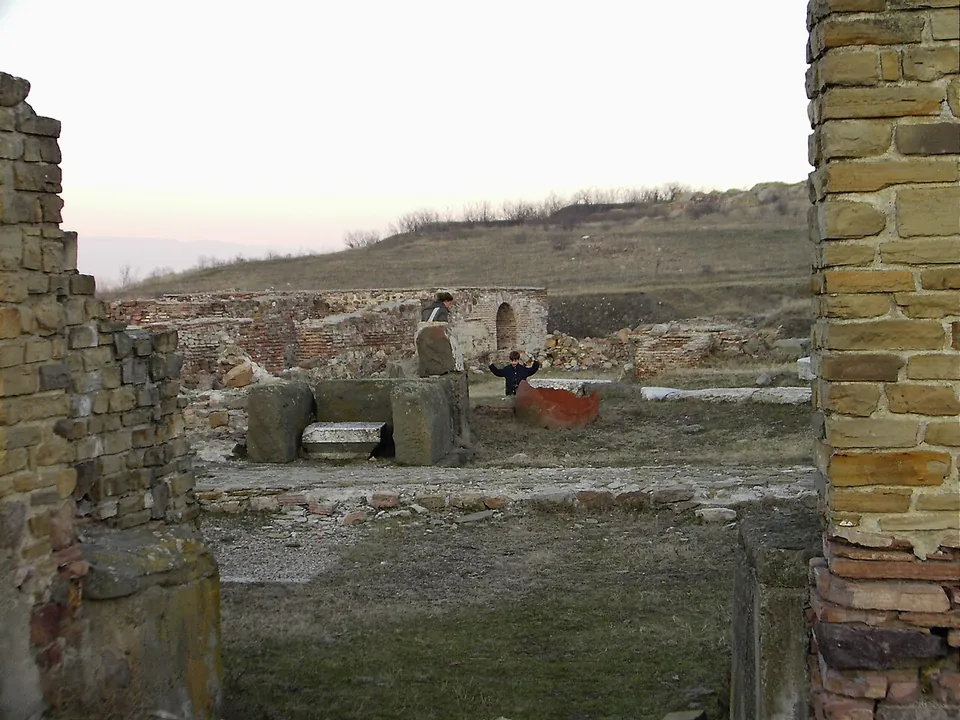
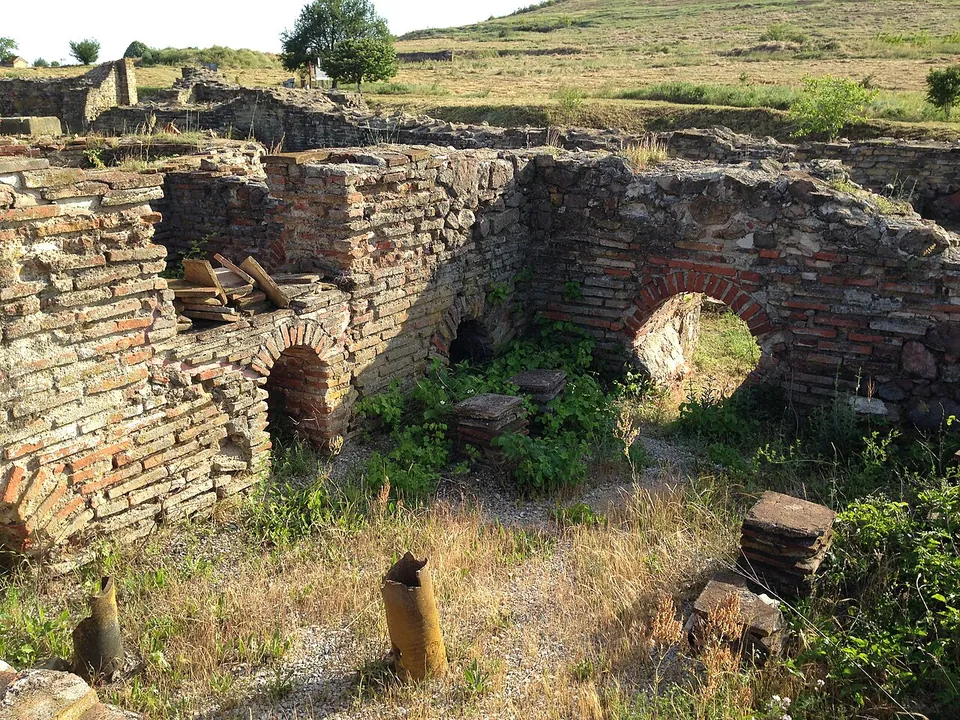
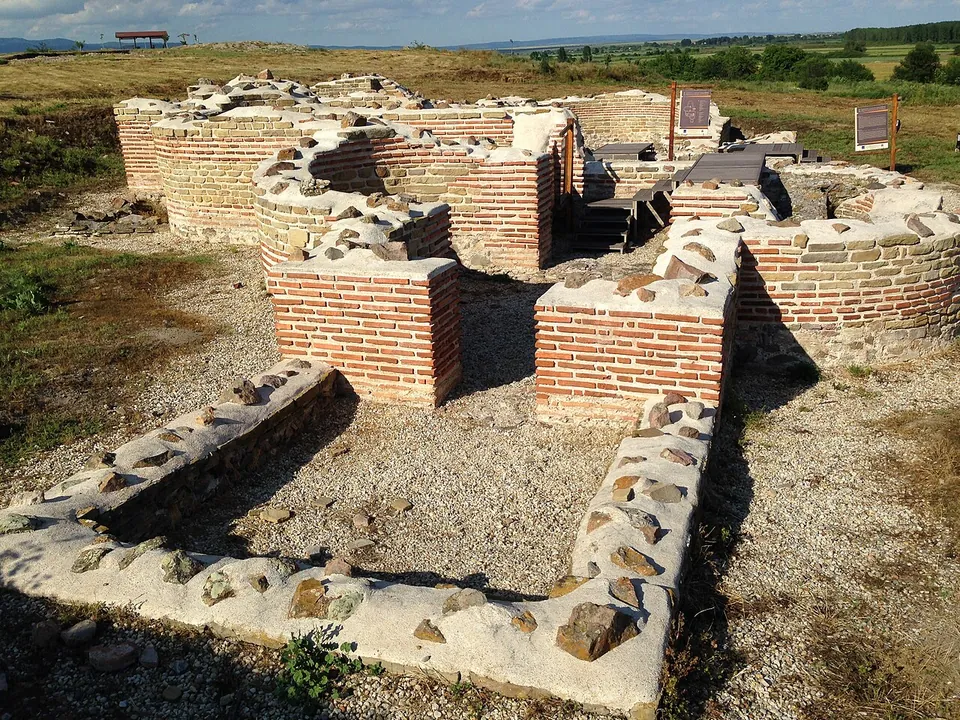
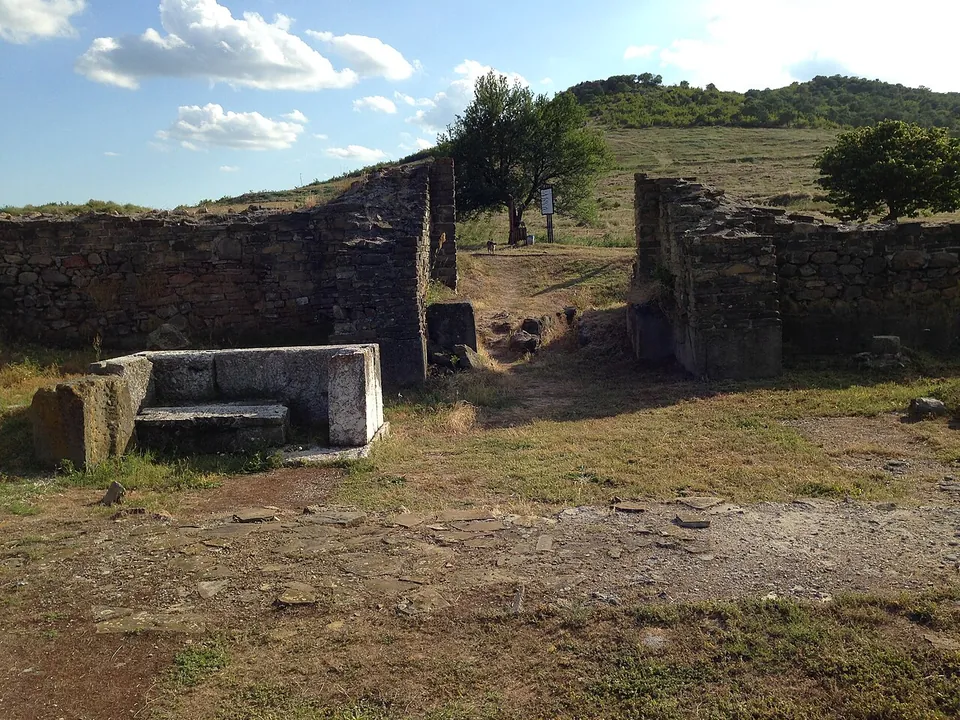
In the 2nd and 3rd centuries AD Kabile was the most important Roman military camp in the province of Thrace, garrisoned by the cohort of the Lucenses, and baths, public buildings, barracks, shrines and walls were built (bg.wikipedia). The excavated remains include a gate of the fort, the large military baths and the civilian baths (as their photographs’ own descriptions name them). From the 4th century, when the town was a bishop’s seat, comes a monumental basilica with three aisles, part of whose mosaic floors is shown in the reserve’s museum (bg.wikipedia).
On the eastern end of Zaychi Vrah was the acropolis of the Thracian town, entered from the south through a gate cut in the rock, where a relief of Cybele, the Great Mother of the gods, is carved on one of the rocks (bg.wikipedia).
Is it worth the trip?
For a curious traveller with a car, yes: a Roman fort, its baths and a Thracian acropolis in one quiet reserve. The Roman walls stand low, and there are no published hours, so it is a site for an unhurried stop on the way through rather than a big-ticket attraction.
Getting there
The reserve is 10 km from Yambol, by the bend of the Tundzha (bg.wikipedia). No bus stop is mapped nearby (OpenStreetMap). We could find no published opening hours or fee for the reserve or its museum.
Visiting details
- Tickets
- Unknown
Before you go
- We could find no operator page with opening hours or a fee for the reserve or its museum (searched 2 October 2026).
- No bus stop is mapped near the site; you will need a car.
History
Kabile grew up on and below Zaychi Vrah, the only hill near the bend of the Tundzha; pottery shows a settlement there in the early Iron Age, and in the late 4th and early 3rd century BC it was one of the residences of the Odrysian kings (bg.wikipedia). In 71 BC it was taken by the army of Marcus Lucullus, and after 45 it belonged to the Roman province of Thrace (bg.wikipedia).
In the 4th century its bishop, Severus, took part in the Council of Serdica. The Goths took the town at the end of the 4th century, and it was destroyed after the Avar invasion of 583 and never rebuilt (bg.wikipedia). The first excavations were made in 1912 by Bogdan Filov, systematic excavation began in 1972, and since 1969 the site has been a national archaeological reserve (bg.wikipedia).
More photographs

Sources
Every fact on this page comes from the records below, each used under the licence noted.
| Source | Licence |
|---|---|
| Pleiades 216859 | CC BY |
| Wikidata Q6344558 | CC0 |
| OpenStreetMap way/79922574 | ODbL |
| Wikipedia (bg) — Кабиле (древен град) | CC BY-SA 4.0 |
| Wikipedia (en) — Cabyle | CC BY-SA 4.0 |