


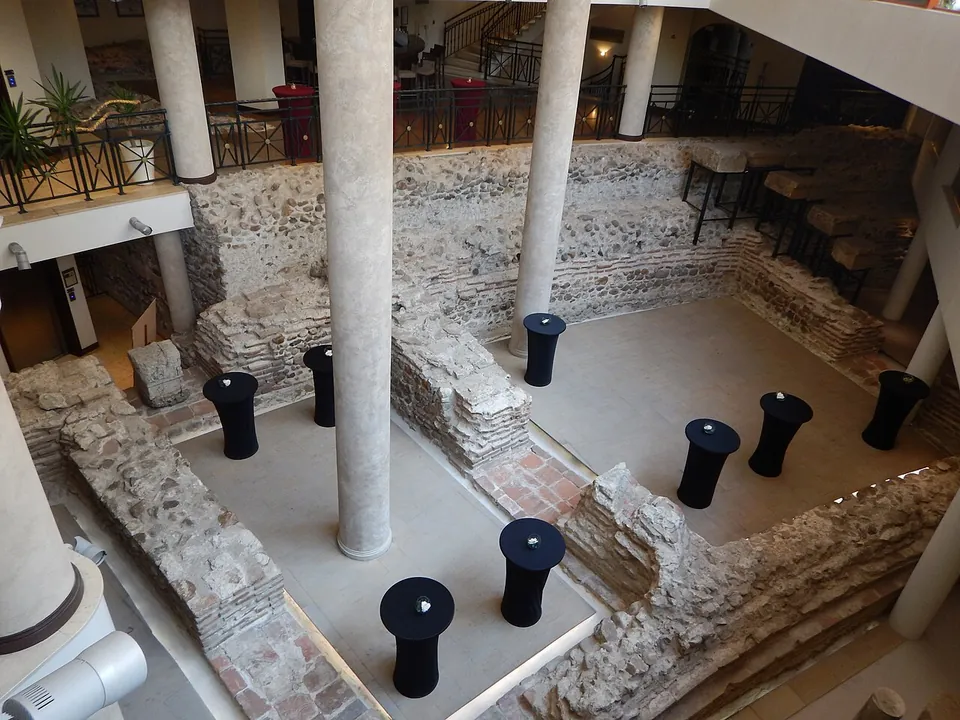
Photo: Виолетова · CC BY-SA 4.0 · Commons

amphitheatre · Sofia City Province
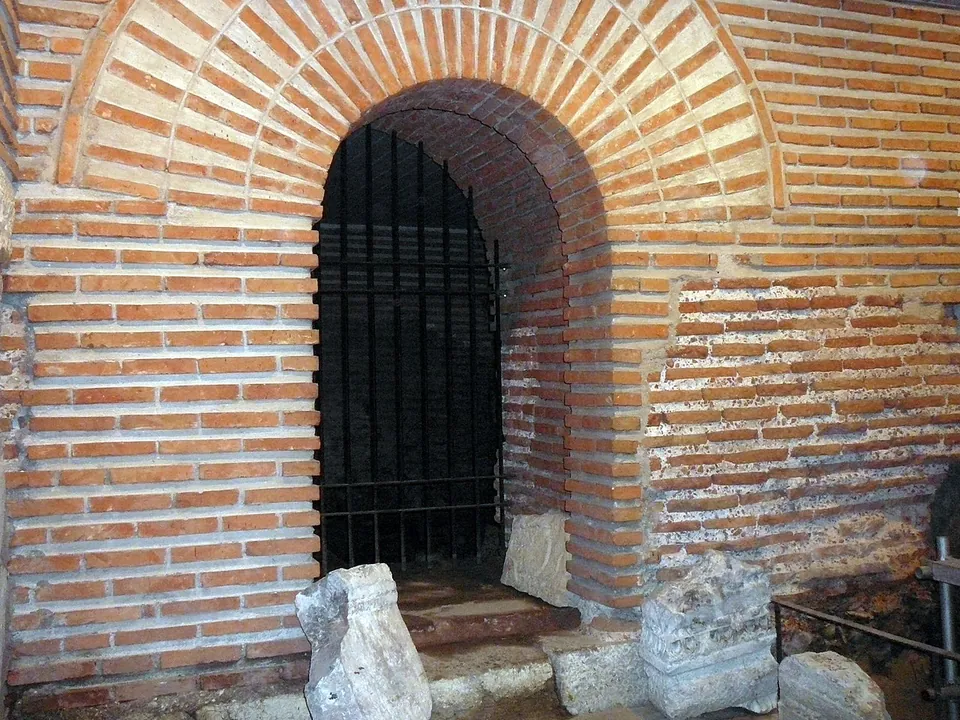
Amphitheatre of Serdica
The amphitheatre was found by accident in 2004, when work began on the Arena di Serdica hotel.
Free
Ulpia Serdica, Sardica, Сердика
city · Sofia City Province, Bulgaria
1 place to see, the best preserved and best known first.
Photo: Виолетова · CC BY-SA 4.0 · Commons
amphitheatre · Sofia City Province
The amphitheatre was found by accident in 2004, when work began on the Arena di Serdica hotel.
The stops each have their own page: the Amphitheatre of Serdica, one of the largest in the eastern Roman Empire, whose eastern part is shown inside a hotel; and the Western Gate, with a mithraeum beside it.
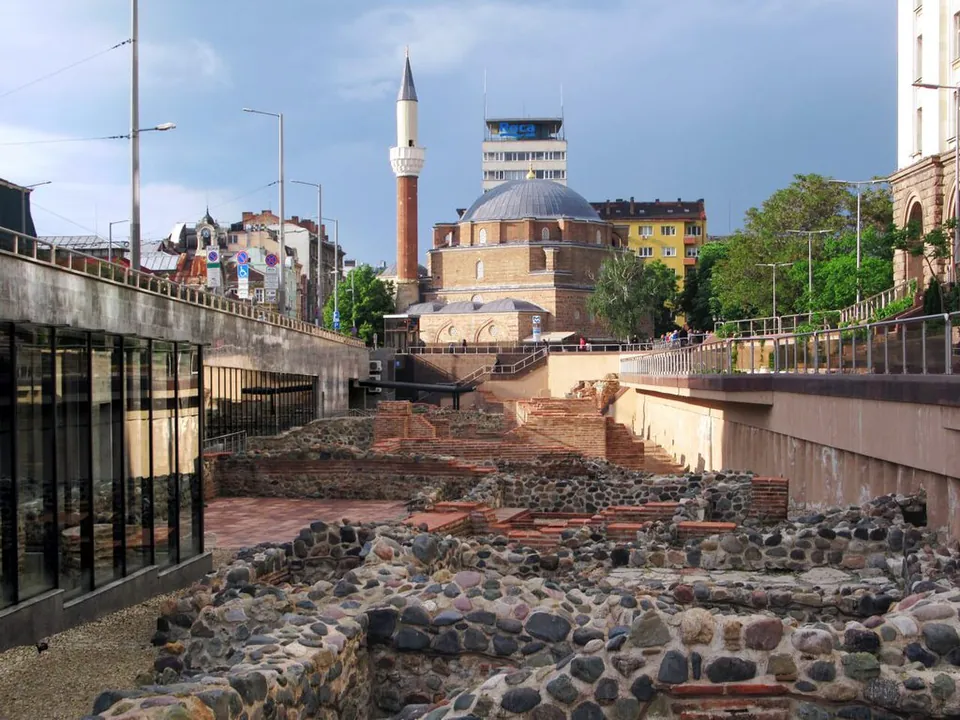
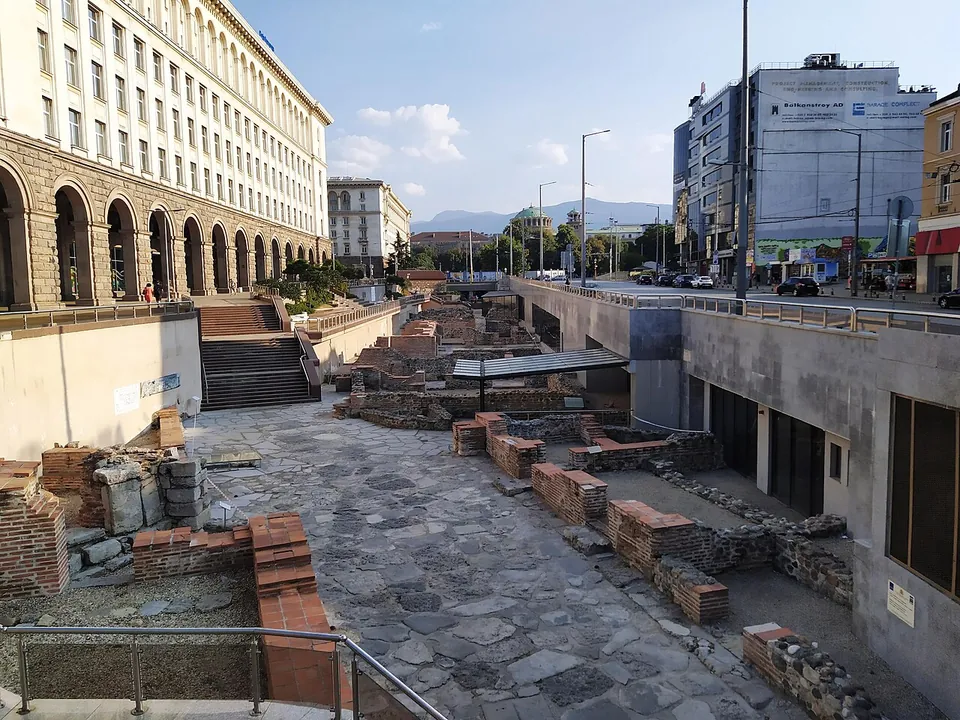
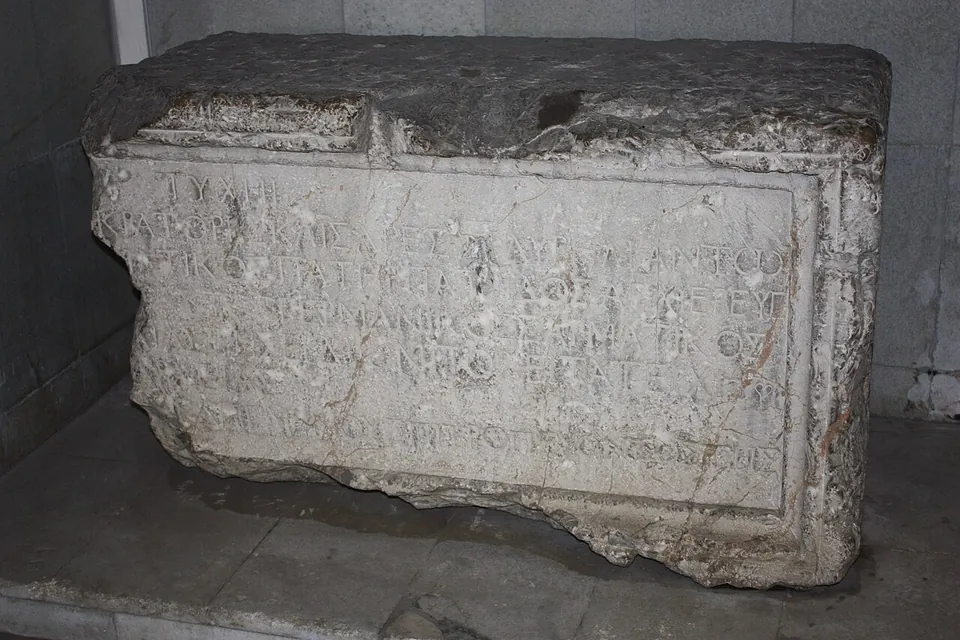
The remains on display include the city walls, the eastern and western gates, baths and a bridge (en.wikipedia). Most of them lie around the Largo, the centre laid out after the Second World War: part of what was found there in 1949–1953 went on show in the open in 1954, the underpasses of 1969 opened up the level below, and the part west of the TsUM department store followed in 2012 (bg.wikipedia). The eastern gate of late antique Serdica is shown in the Largo underpass, with an inscribed block from the north gate, and the western gate can be seen in part below Washington Street, in the courtyard of the new Catholic cathedral (bg.wikipedia).
The best-preserved building is the Rotunda of St George, a domed red-brick rotunda built in the early 4th century as Roman baths and later made a church; it is held to be the oldest building in Sofia. It stands a few metres below the modern streets in the courtyard between Hotel Balkan and the Presidency, and behind its apse lie a Roman street with its drains, the foundations of a large basilica and a room with its hypocaust floor (en.wikipedia). Tombs and basilicas are also shown beneath the church of St Sofia (en.wikipedia).
If you are in Sofia, yes: the excavations around the Largo can be seen from the walkways around them, and the Rotunda is a whole Roman building that is still a church. Do not come expecting a standing ruin field, though. Apart from the Rotunda, Serdica is shown at the level of its foundations, in pits and underpasses between government buildings and traffic.
The point on the map is the excavated city centre at the Largo. Serdika metro station is about 80 m from the Western Gate, and paid underground and surface car parks are mapped beside it (OpenStreetMap). The amphitheatre is about 500 m to the east.
The city took its name from the Serdi, a Celtic tribe. Rome conquered it around 29 BC; bg.wikipedia gives 27 BC, after the campaign of Marcus Licinius Crassus. Under Trajan (98–117) it became a municipium and was renamed Ulpia Serdica. After the Costoboci burned it in 170 it received its first defensive walls, built between 176 and 180 under Marcus Aurelius, as the inscriptions above its gates record, and baths, administrative and religious buildings, a civic basilica and a large theatre followed (en.wikipedia).
When Diocletian divided the province of Dacia, Serdica became the capital of Dacia Mediterranea. The emperors Aurelian and Galerius were born here, and it was in Serdica that Galerius issued the edict of 311 that ended the persecution of Christians. In 343 the Council of Serdica met in a church on the site where St Sofia was later built. The Huns destroyed the city in 447; Justinian rebuilt it in the 6th century, and it was renamed Triaditsa (en.wikipedia).
Every fact on this page comes from the records below, each used under the licence noted.
| Source | Licence |
|---|---|
| Pleiades 207439 | CC BY |
| Wikidata Q4067160 | CC0 |
| Vici.org 2079 | CC BY-SA (text), CC0 (metadata) |
| OpenStreetMap way/287104635 | ODbL |
| Wikipedia (en) — Serdica | CC BY-SA 4.0 |
| Wikipedia (bg) — Сердика (крепост) | CC BY-SA 4.0 |
| Wikipedia (en) — Church of Saint George, Sofia | CC BY-SA 4.0 |
| Wikipedia (en) — Amphitheatre of Serdica | CC BY-SA 4.0 |
