

What is there today
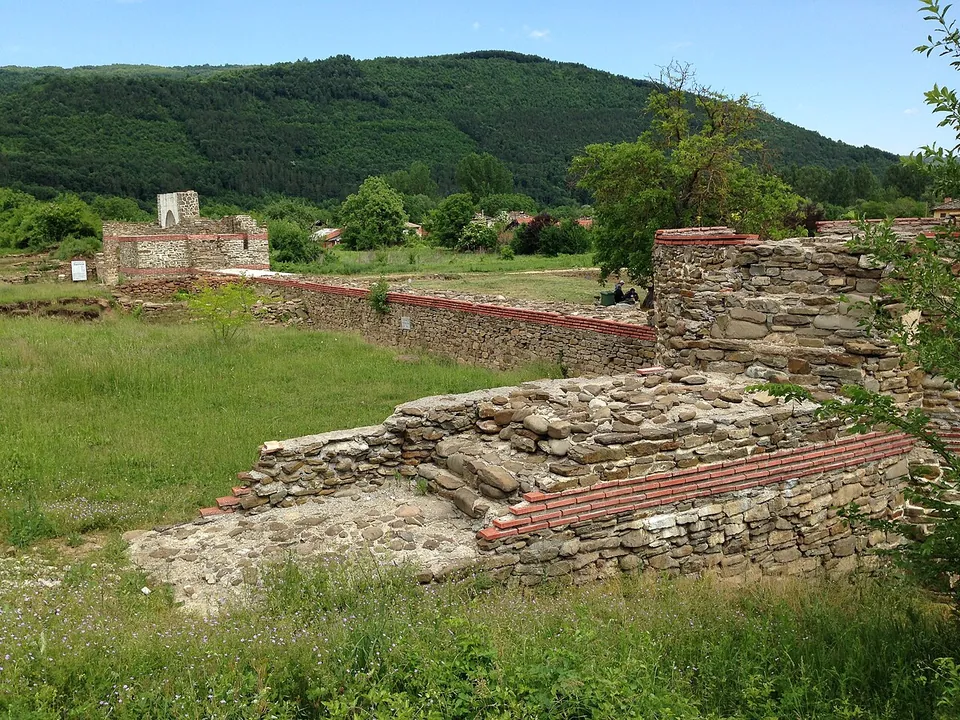
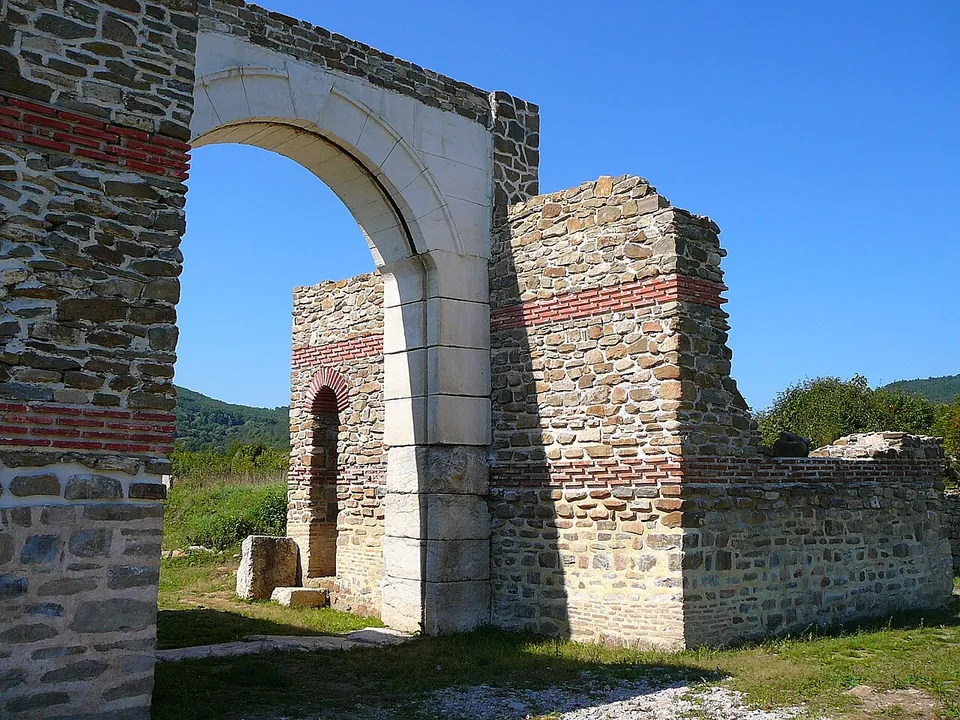
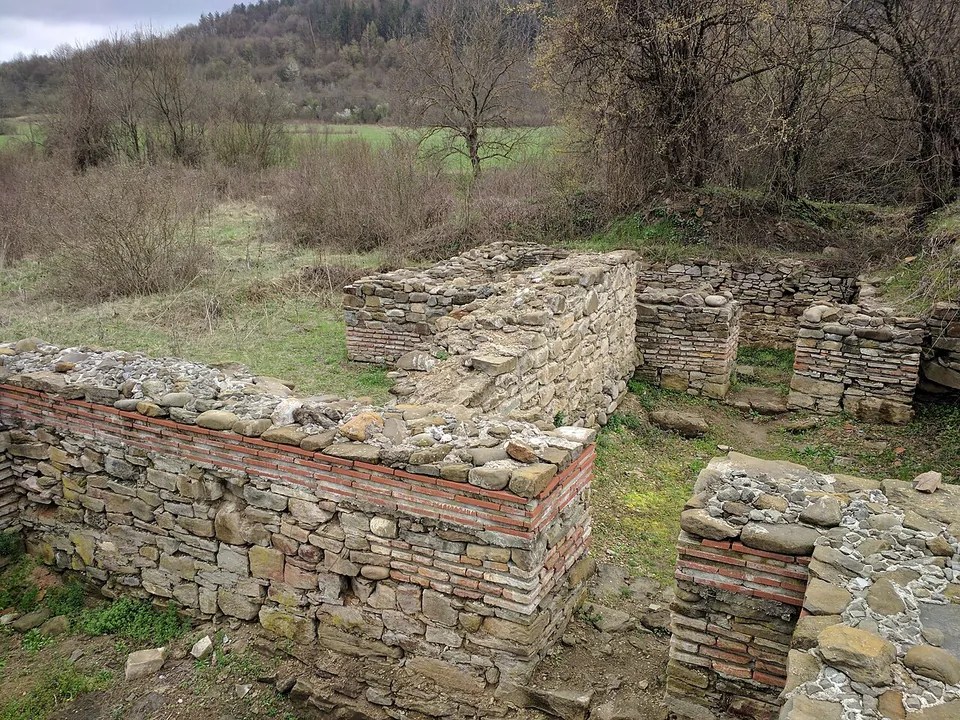
The fort was rebuilt more than once, and both versions show: the first fort of about 147 had walls rounded at the corners and no towers, while the fort rebuilt from 254 stood inside the old walls and had many towers, as later Roman forts did (en.wikipedia). Remains of the eastern wall, built over three decades from 254 and once 10 m high, survive today (bg.wikipedia). Stretches of the Roman road from the Danube to Philippopolis, which passed right by the fort, can also still be seen (bg.wikipedia).
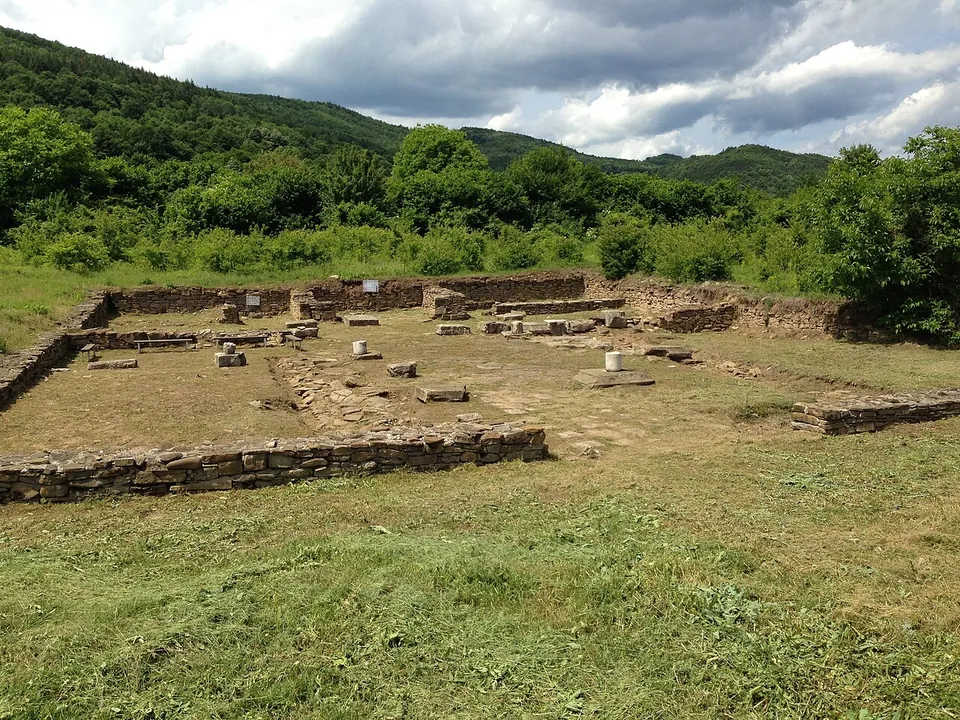
Near the fort, excavators have uncovered a large road station of around AD 100, 500 m² with walls up to 2 m high, with baths and a large indoor pool (en.wikipedia). A kilometre to the south are the remains of a late Roman single-nave church of the 4th–5th century, badly damaged by treasure hunters in 1999 (bg.wikipedia). Finds from the site are in the museum in Troyan (en.wikipedia).
Is it worth the trip?
Yes, if you are crossing the mountains on the Troyan road. The restored walls and gateway give a clear picture of a frontier-road fort, in a fine setting, and it is close to the road. It is a fort rather than a town, and what stands is partly rebuilt, so an hour is enough.
Getting there
Sostra lies in the land of the village of Lomets, about 12 km from Troyan in Lovech Province (bg.wikipedia), beside the old road over the Troyan Pass (en.wikipedia). Bus stops are mapped about 250 m away (OpenStreetMap). We could find no published opening hours or fee.
Visiting details
- Tickets
- Unknown
- Parking
- The nearest bus stops are mapped about 250 m away (OpenStreetMap).
Before you go
- No operator, opening hours or fee is recorded for the site; we could find none published (searched 2 October 2026).
History
A road station stood here from around AD 100, on the road that linked Philippopolis with the Danube forts of Oescus and Novae over the Troyan Pass. The fort was built around 147 on the orders of Antoninus Pius, and the cohort II Mattiacorum, about 1,000 men, was stationed here; the road was improved under Marcus Aurelius in 175, and a second cohort arrived in 235 (en.wikipedia).
The Goths took the fort in 249. In 254 Gallienus sent another cohort to build a new wall, work that went on until at least 282. The Goths burned the fort again in 378; a church was built in the late 4th century, settlers arrived in the early 5th, and the Huns destroyed the place at the end of the 5th century (en.wikipedia; bg.wikipedia). It was excavated and restored from 2002 by the National Museum of History, the municipality of Troyan and a Rotary club, under Ivan Hristov (bg.wikipedia).
More photographs

Nearby
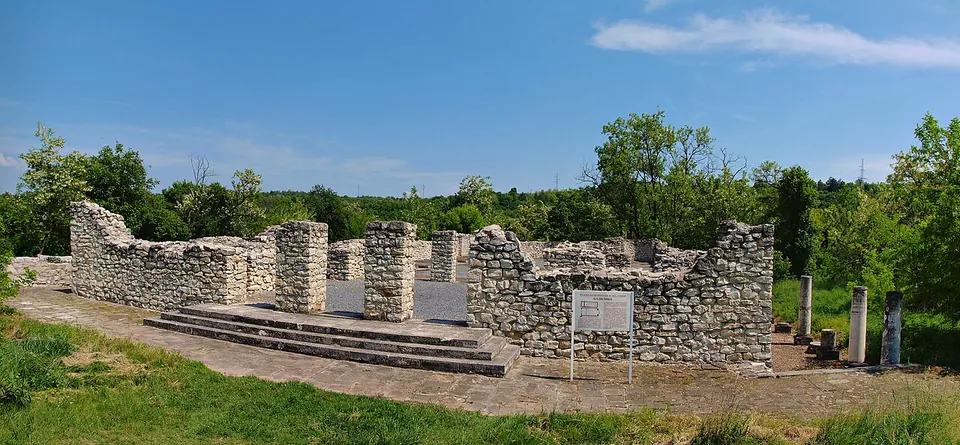
Photo: Todor Bozhinov / Тодор Божинов · CC BY-SA 3.0 · Commons
44 km · fort · Pleven Province
Storgosia
Excavation has uncovered the fortress wall with its gates and towers, houses, a public granary and an early Christian basilica (the museum; bg.wikipedia).

Straight-line distances.
Sources
Every fact on this page comes from the records below, each used under the licence noted.
| Source | Licence |
|---|---|
| Pleiades 216989 | CC BY |
| Wikidata Q12294189 | CC0 |
| OpenStreetMap node/1153519720 | ODbL |
| Wikipedia (en) — Sostra | CC BY-SA 4.0 |
| Wikipedia (bg) — Состра | CC BY-SA 4.0 |