

What is there today
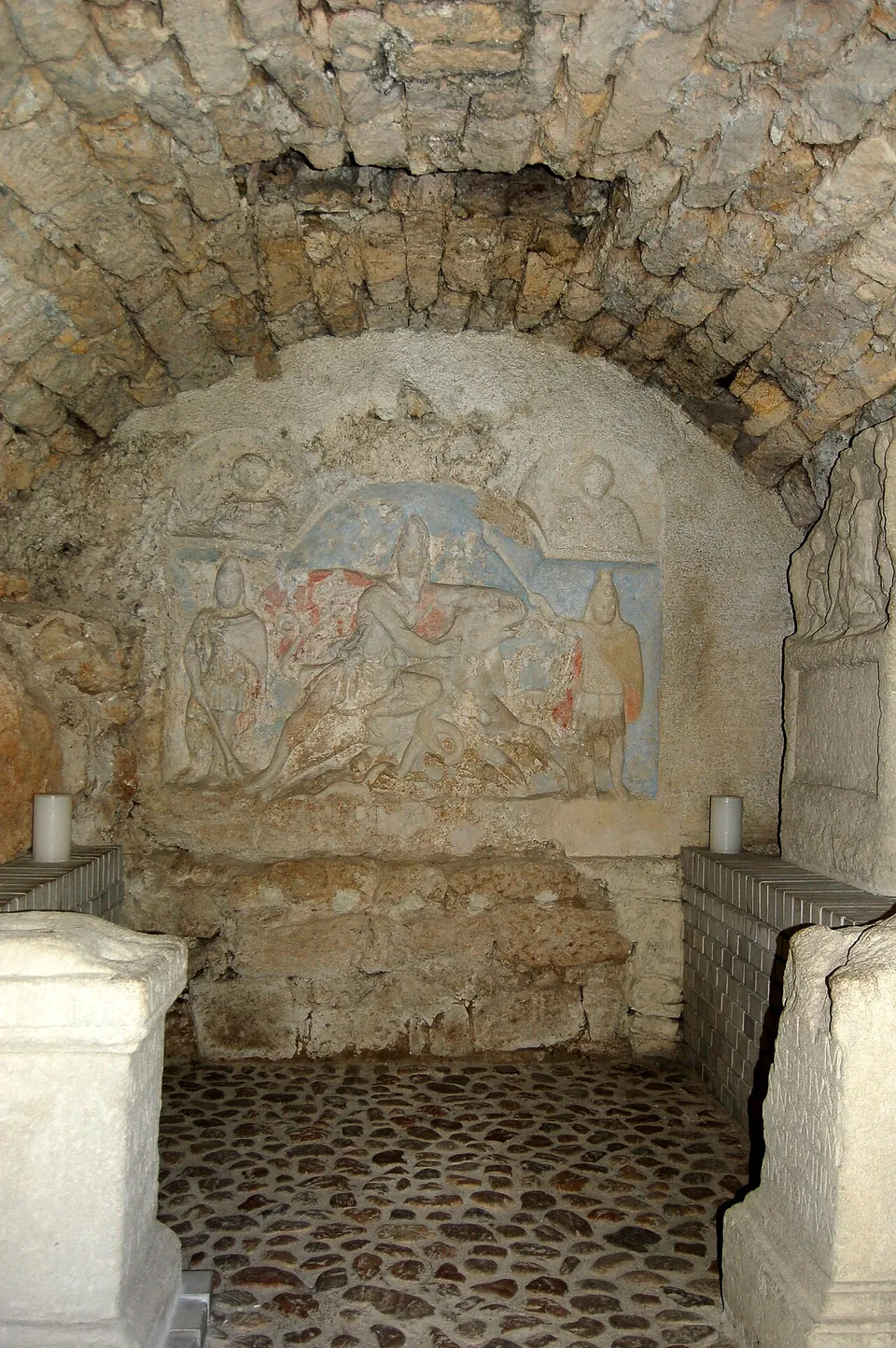
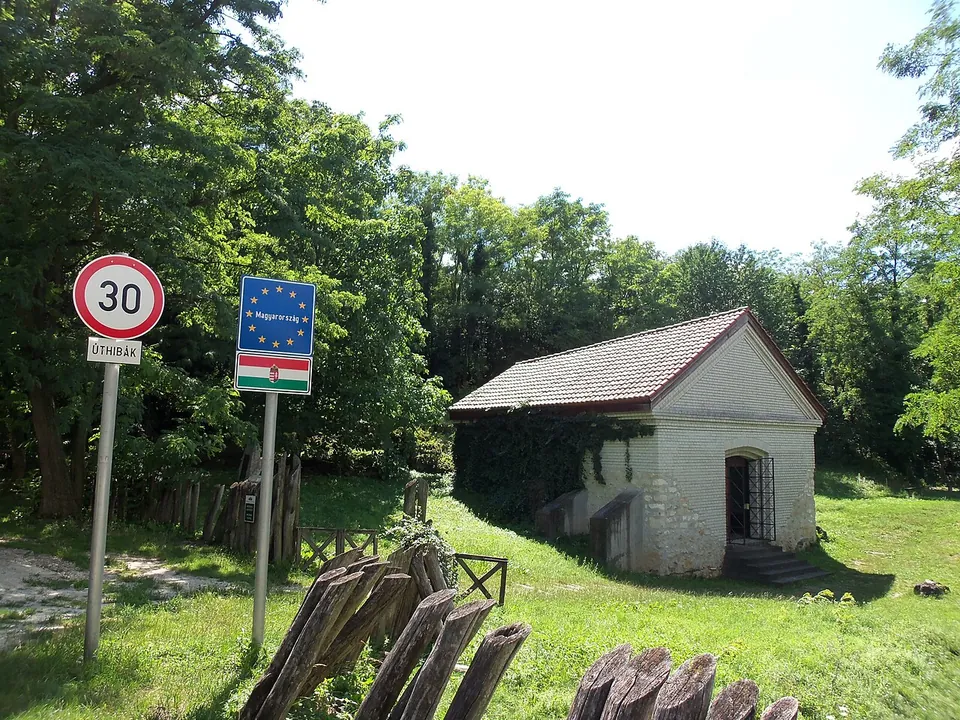
The temple follows the usual plan of a mithraeum, an entrance hall and then the sanctuary proper, a sunken central aisle with benches along each side (en.wikipedia). On its end wall is the cult relief, 2 by 1.5 m and painted: Mithras in Persian dress pins a bull down with his knee and drives a dagger into its neck, while a dog and a snake rise towards the blood and a scorpion attacks the bull; on either side stand the torch-bearers Cautes and Cautopates, and above them the Sun and the Moon. The excavators also found three altar stones and two lion statues (the operator). The whole sits under a protective building (hu.wikipedia), and it is one of only four places in Hungary where a mithraeum is known, with Szombathely, Aquincum and Sárkeszi (hu.wikipedia).
Is it worth the trip?
Yes, between mid-April and September, especially if you are coming to the Fertő (Neusiedler) lake anyway: the relief, restored after 1991, shows the whole Mithras scene in colour, entry is free, and getting there on foot or by bike through the national park is half the point. It is a small building, so allow a short visit, or about an hour if you take the guided excursion from the village. From October to mid-April it is closed except to groups who book ahead.
Getting there
The sanctuary lies about 10 km from Sopron, between Fertőrákos and Fertőmeggyes (Mörbisch) in Austria, right next to the former border on the Hungarian side. A narrow road runs to it from Fertőrákos through the Fertő-Hanság National Park, and it is closed to cars and coaches: you walk, cycle, or ride the small tourist train. The excursion “A Mithras-barlang titka” goes there by electric car or tourist train and takes about an hour (the operator).
The sanctuary is open from 15 April to 15 May and in September, Friday to Sunday, 10.00 to 16.00, and from 16 May to 31 August, Tuesday to Sunday, 10.00 to 18.00; groups of ten or more can arrange other times. Viewing it is free (mithras.hu, read 4 October 2026).
Visiting details
- Opening hours
- 15 April to 15 May and 1 to 30 September, Friday to Sunday 10.00–16.00; 16 May to 31 August, Tuesday to Sunday 10.00–18.00. Groups of ten or more at other times by arrangement.
- Tickets
- Free.
Before you go
- Cars and coaches are not allowed on the access road; walk, cycle or take the tourist train from Fertőrákos.
- Closed from October to mid-April, except for pre-arranged groups.
Hours and prices checked 4 October 2026 on the operator's own site. Confirm before travelling.
History
The sanctuary was found in July 1866 by two young men independently, Ferenc Storno the younger, of Sopron, and György Malleschitz, a stonemason from Meggyes; Ferenc Storno the elder excavated it, finding the inscribed cult relief, three altars, two lion statues, 27 cremation graves and one burial, and built a vault of carved limestone over it for protection (the operator). From 1948 the area lay in the border zone, first behind a minefield and then the Iron Curtain, and the relief was damaged and the cave silted up with clay. After the border opened in 1989, the site was re-excavated in 1991 by the Sopron archaeologist Gabriella Gabrieli, the relief was restored by György Kovács, and Ágnes H. Vladár designed the present protective building (the operator). Since 2001 it has been part of the Fertő/Neusiedlersee World Heritage landscape (the operator; hu.wikipedia).
Nearby
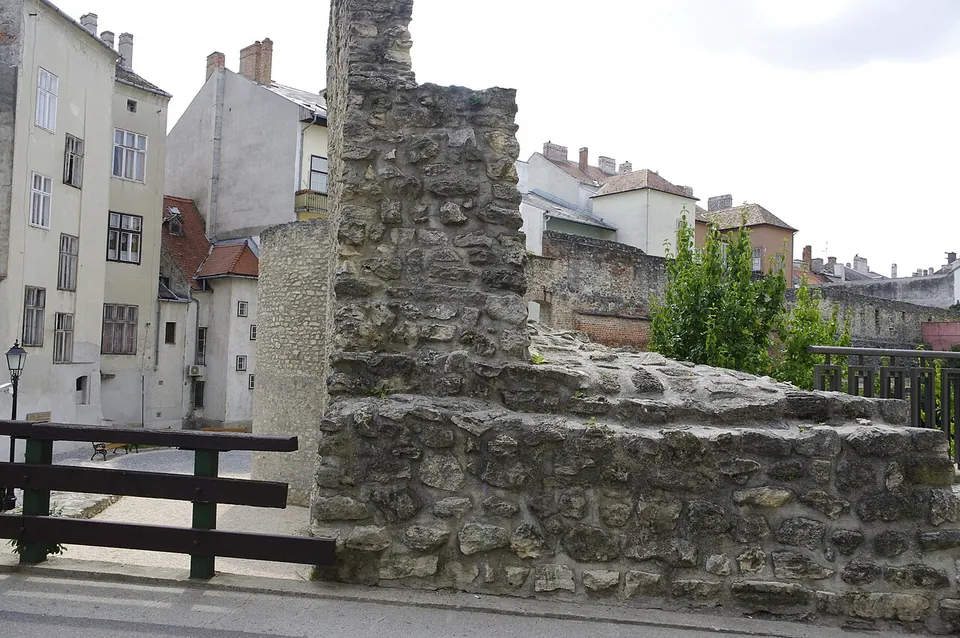
Photo: Traumrune · CC BY-SA 3.0 · Commons
8 km · city · Győr-Moson-Sopron County
Scarbantia
Sopron's oldest town wall, the central one of the three medieval rings, was built by the inhabitants of Scarbantia at the end of the 3rd century or the beginning of the 4th, and it can be seen in the Castle Wall Garden behind the Museum Quarter on the main square (the operator).
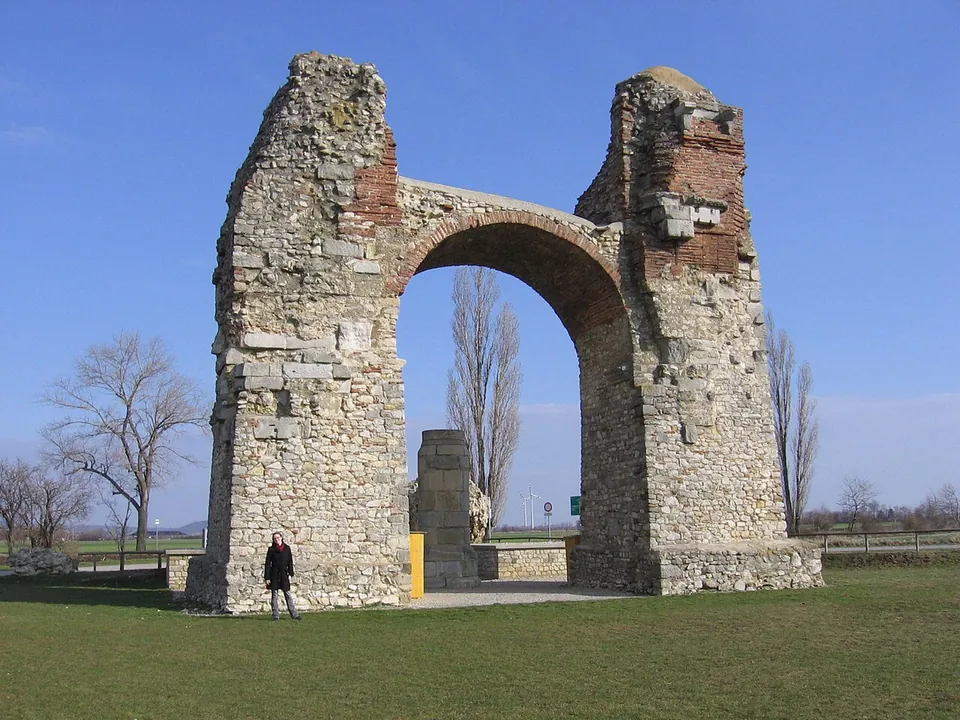
Photo: Michael Dufek at de.wikipedia · CC BY-SA 3.0 · Commons
44 km · city · Bruck an der Leitha District
Carnuntum
The heart of a visit is the Roman city quarter in the park beside Schloss Petronell.


Straight-line distances.
Sources
Every fact on this page comes from the records below, each used under the licence noted.
| Source | Licence |
|---|---|
| Pleiades 538129499 | CC BY |
| Wikidata Q1177999 | CC0 |
| OpenStreetMap way/333209603 | ODbL |
| Wikipedia (en) — Fertőrákos mithraeum | CC BY-SA 4.0 |
| Wikipedia (hu) — Mithrász-szentély (Fertőrákos) | CC BY-SA 4.0 |
| Mithras-szentély Fertőrákos (the site's page; operated by the municipality of Fertőrákos) | licence not recorded |
| Mithras-szentély — visiting and opening hours | licence not recorded |