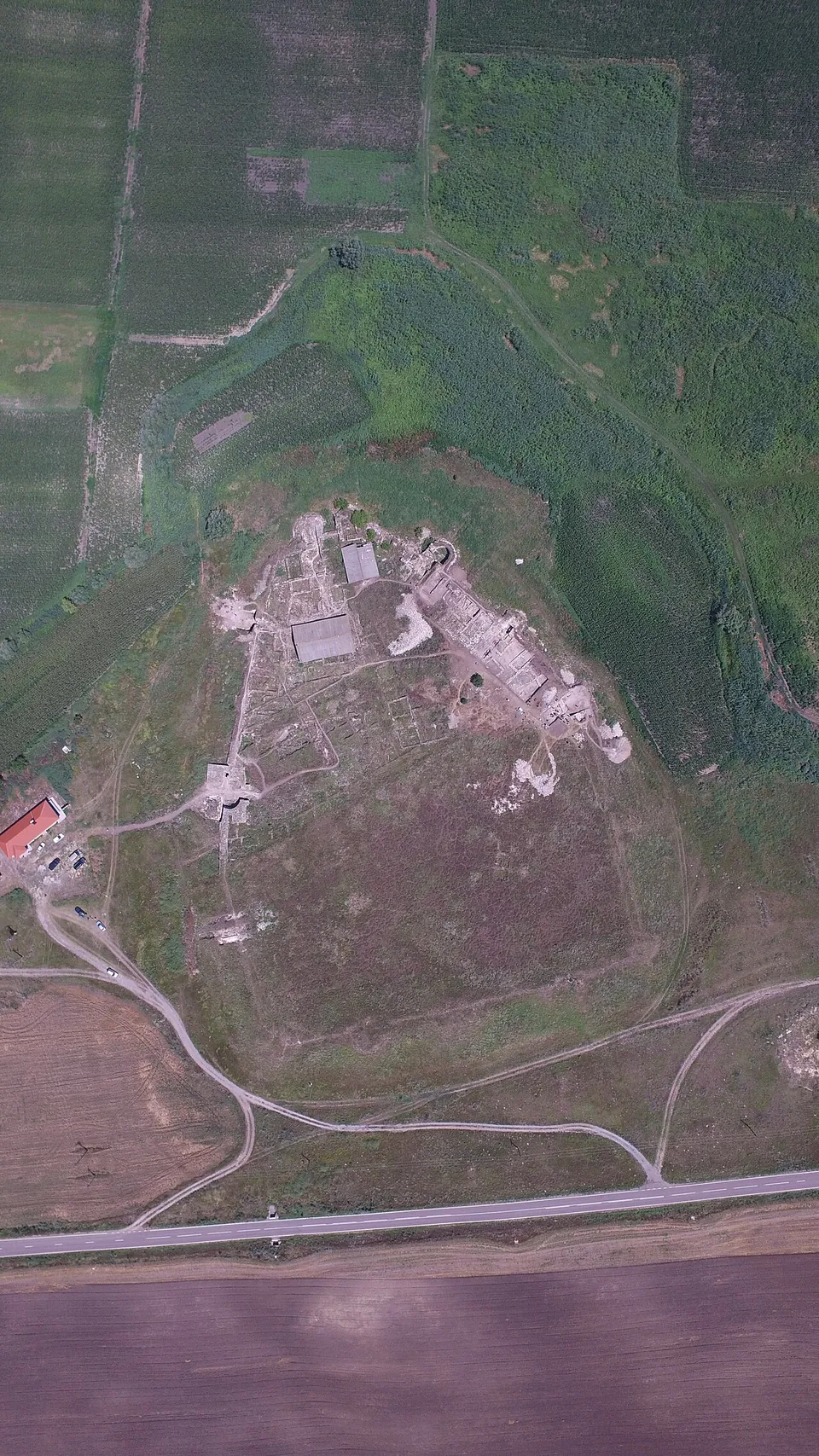


Halmyris is a Roman fortress and naval station at the eastern end of the Danube frontier, on a rocky peninsula above the marshes near Murighiol, close to where the Danube reaches the Black Sea. Its walls, towers, baths and barracks have been excavated since 1981, and in the crypt of its basilica archaeologists found the relics of the earliest Christian martyrs recorded in Dobruja.
What is there today
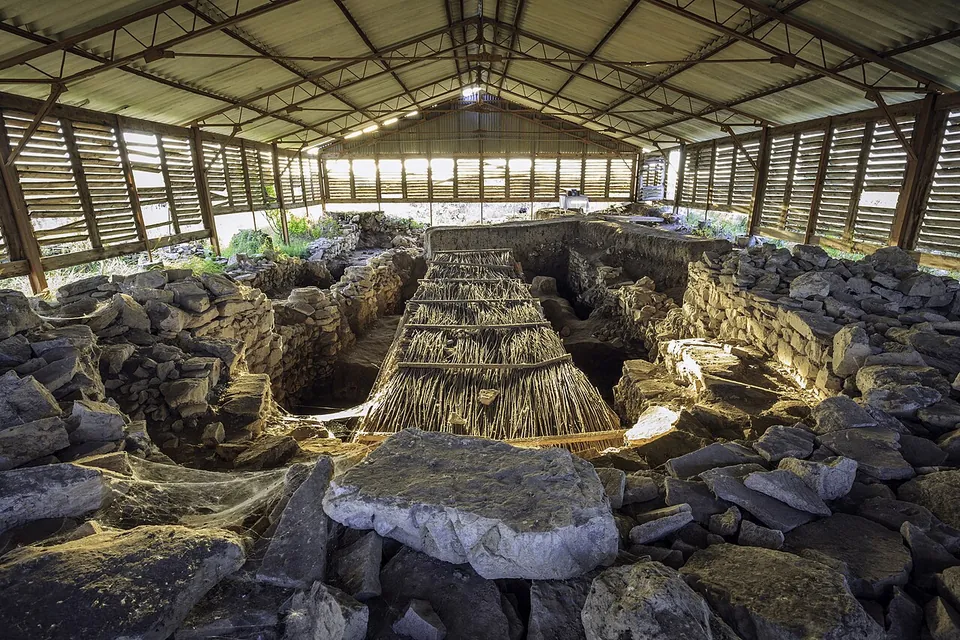
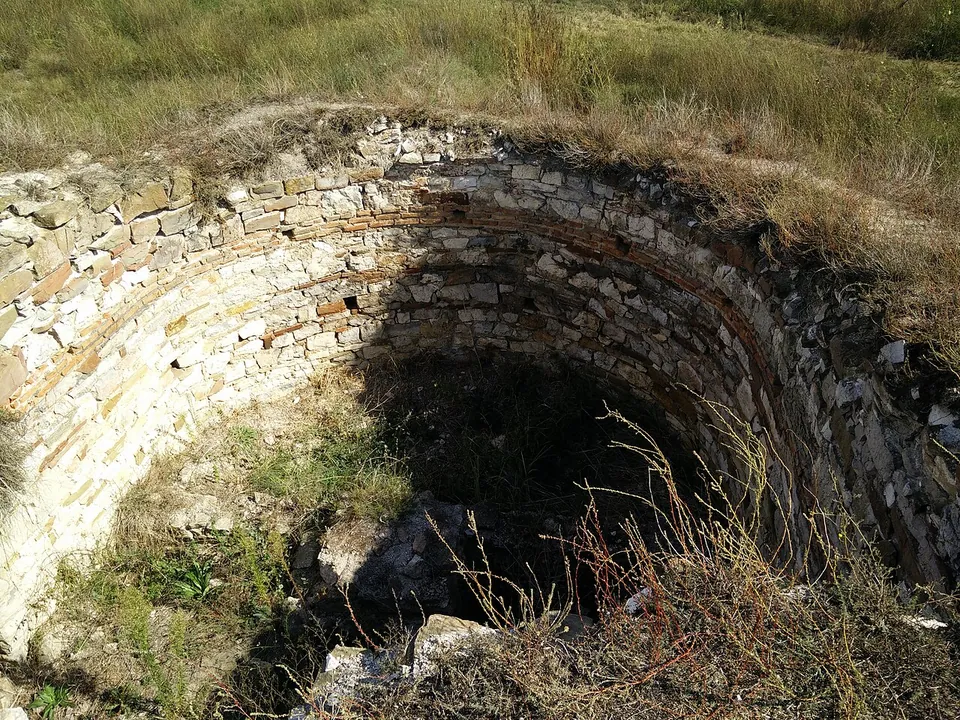
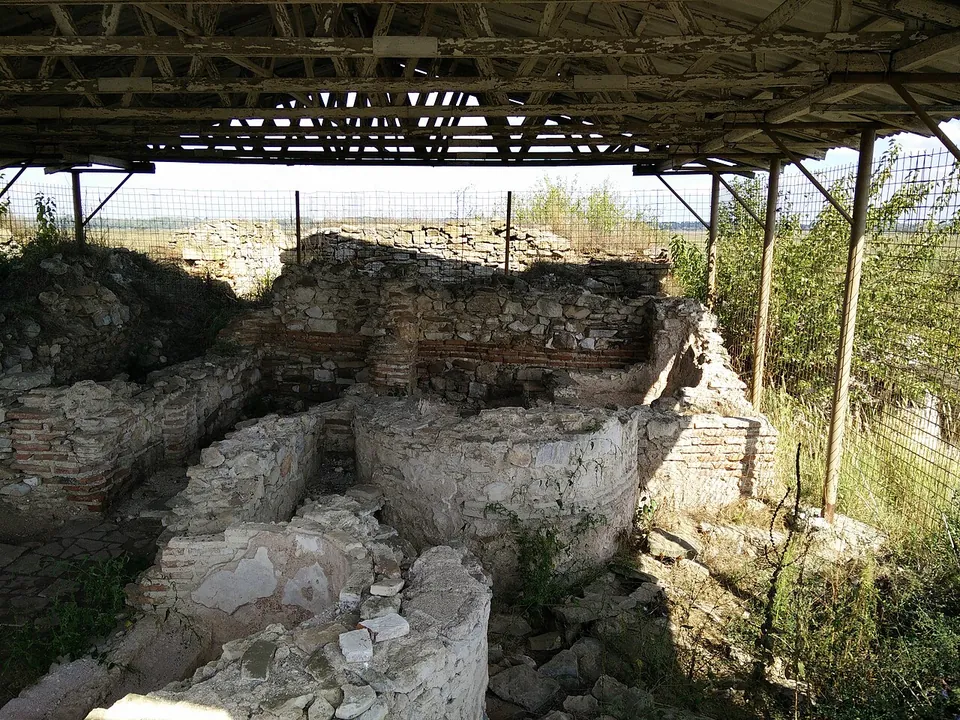
The late Roman fortress is an irregular polygon with 15 towers and at least two gates, to the north and west (en and ro.wikipedia). The western gate opened on to the frontier road along the Danube; the northern gate, facing the river, was rebuilt in the 280s with two U-shaped towers flanking a vaulted passage and finished under the Tetrarchy, between 301 and 305 (en.wikipedia). Inside are the 4th-century baths near the northern gate, with three pools, the praetorium at the crossing of the main streets, and four barrack blocks against the west wall, of which barracks no. 3 is the largest and best preserved; the northern wall, which collapsed probably in an earthquake late in the 6th century, is still visible (en.wikipedia). Parts of the excavation are under protective roofs.
The basilica. In the northern part of the fortress lies a 4th-century basilica with a martyrium (Pleiades; Wikidata). The relics of Saints Epictetus and Astion, martyred at Halmyris in 290, were moved into a new basilica in the 4th century and found in its crypt between 2001 and 2004 (en.wikipedia).
Is it worth the trip?
Yes, if you are in the Danube Delta: it is on the road to Murighiol, and the excavated fortress, its towers and its martyrs’ crypt make a worthwhile stop away from the water. It is a working excavation with walls and foundations rather than standing buildings, and remote from any town.
Getting there
The site lies 2.5 km east of the village of Murighiol, reached by the county road DJ222C from Tulcea (the operator); ro.wikipedia places it 200 m north of the Murighiol–Dunavățu de Sus road. No bus stop or railway station is mapped nearby.
The operator, ICEM Tulcea, opens it Wednesday to Sunday, 08.00 to 16.00, and it is closed on Mondays and Tuesdays. A ticket is 12 RON, about €2.20, with 6 RON for pensioners and 3 RON for pupils and students (icemtl.ro, read 3 October 2026).
Visiting details
- Opening hours
- Wednesday to Sunday, 08.00–16.00; closed on Mondays and Tuesdays.
- Tickets
- 12 RON (about €2.20); 6 RON for pensioners, 3 RON for pupils and students.
Before you go
- No bus stop or railway station is mapped near the site; it lies 2.5 km east of Murighiol, reached by the county road from Tulcea.
Hours and prices checked 3 October 2026 on the operator's own site. Confirm before travelling.
History
Getae lived here before Rome: cremation burials of the 4th–2nd centuries BC, perhaps a necropolis, have been found nearby (en and ro.wikipedia). The first fort, of timber and turf, dates from the Flavian period; it was rebuilt in stone under Trajan by detachments of the First Italian and Eleventh Claudian legions. An inscription, unique in the Roman empire, records a village of sailors (vicus classicorum) beside it, linked to the Danube fleet (en and ro.wikipedia).
The Goths took the fort early in its history; recaptured, it was rebuilt with a new plan under the Tetrarchy. In the winter of 384/385 the Danube froze and raiders crossed and sacked Halmyris. Earthquakes and the silting of its harbour reduced its importance; the last rebuilding was under Justinian. Halmyris was also the seat of one of the province’s major bishoprics and was named among its fifteen most important towns (en.wikipedia). It was occupied until the beginning of the 7th century (ro.wikipedia). Pleiades marks the identification of the site with ancient Halmyris with a question mark.
More photographs

Nearby
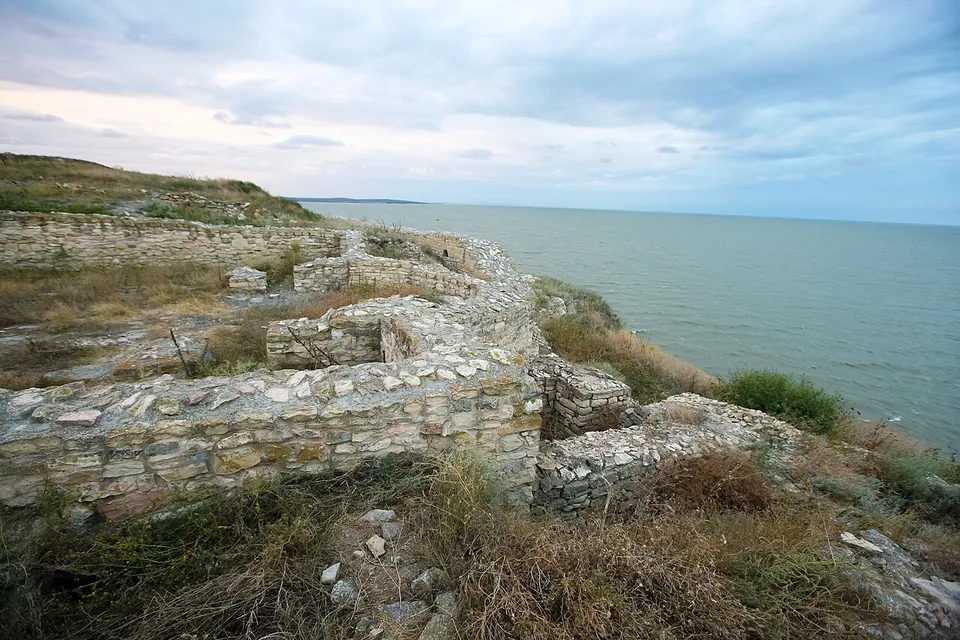
Photo: MHStudio · CC BY-SA 3.0 ro · Commons
36 km · city · Tulcea County
Argamum
The ruins, partly excavated and restored, stand 6 km from the fishing village of Jurilovca on the high, steep shore of the lake: a city gate, the fortress wall, streets, early Christian basilicas and earthworks (de.wikipedia).

Straight-line distances.
Sources
Every fact on this page comes from the records below, each used under the licence noted.
| Source | Licence |
|---|---|
| Pleiades 226617 | CC BY |
| Wikidata Q3437538 | CC0 |
| Vici.org 29310 | CC BY-SA (text), CC0 (metadata) |
| Pleiades — the early Christian basilica and martyrium at Halmyris | licence not recorded |
| Wikipedia (en) — Halmyris | CC BY-SA 4.0 |
| Wikipedia (ro) — Halmyris | CC BY-SA 4.0 |
| ICEM Tulcea — Cetatea Halmyris (the operator) | licence not recorded |