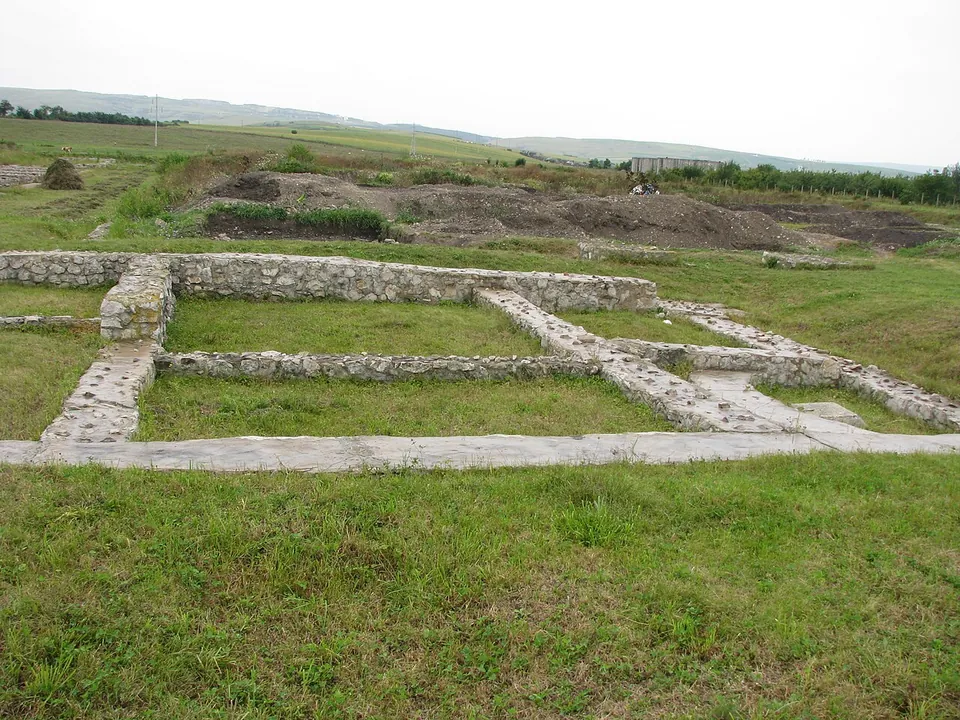
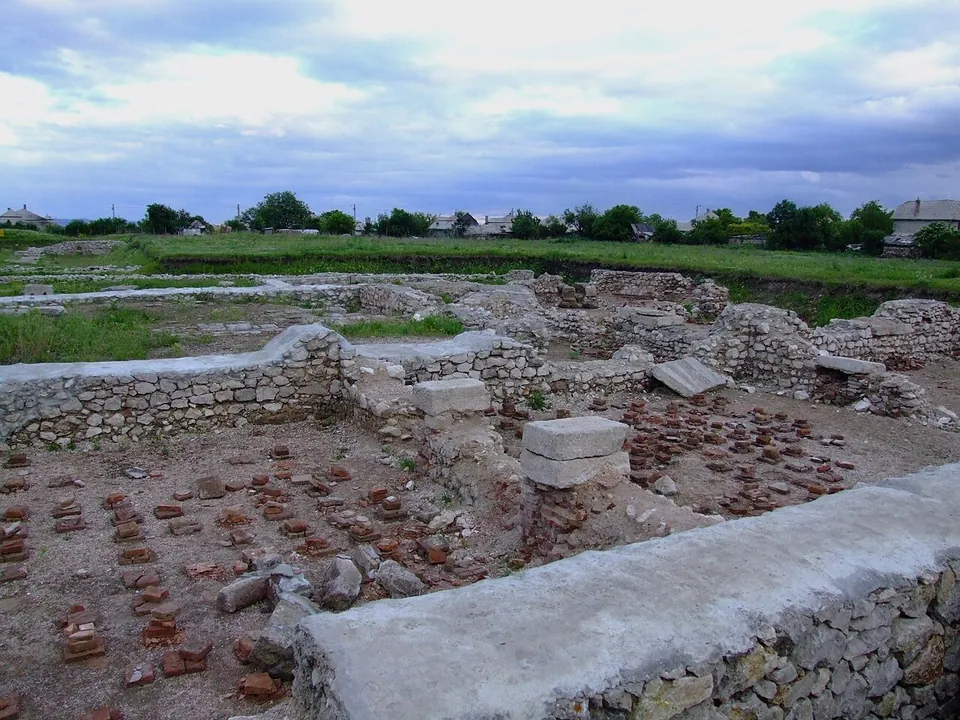


Potaissa was the base of the Fifth Macedonian Legion, one of the only two legionary fortresses in Roman Dacia, on the plateau of Dealul Cetății above modern Turda. Its consolidated walls, the legion’s baths and the foundations of the biggest headquarters building in Dacia opened to the public in September 2026 after restoration.
What is there today
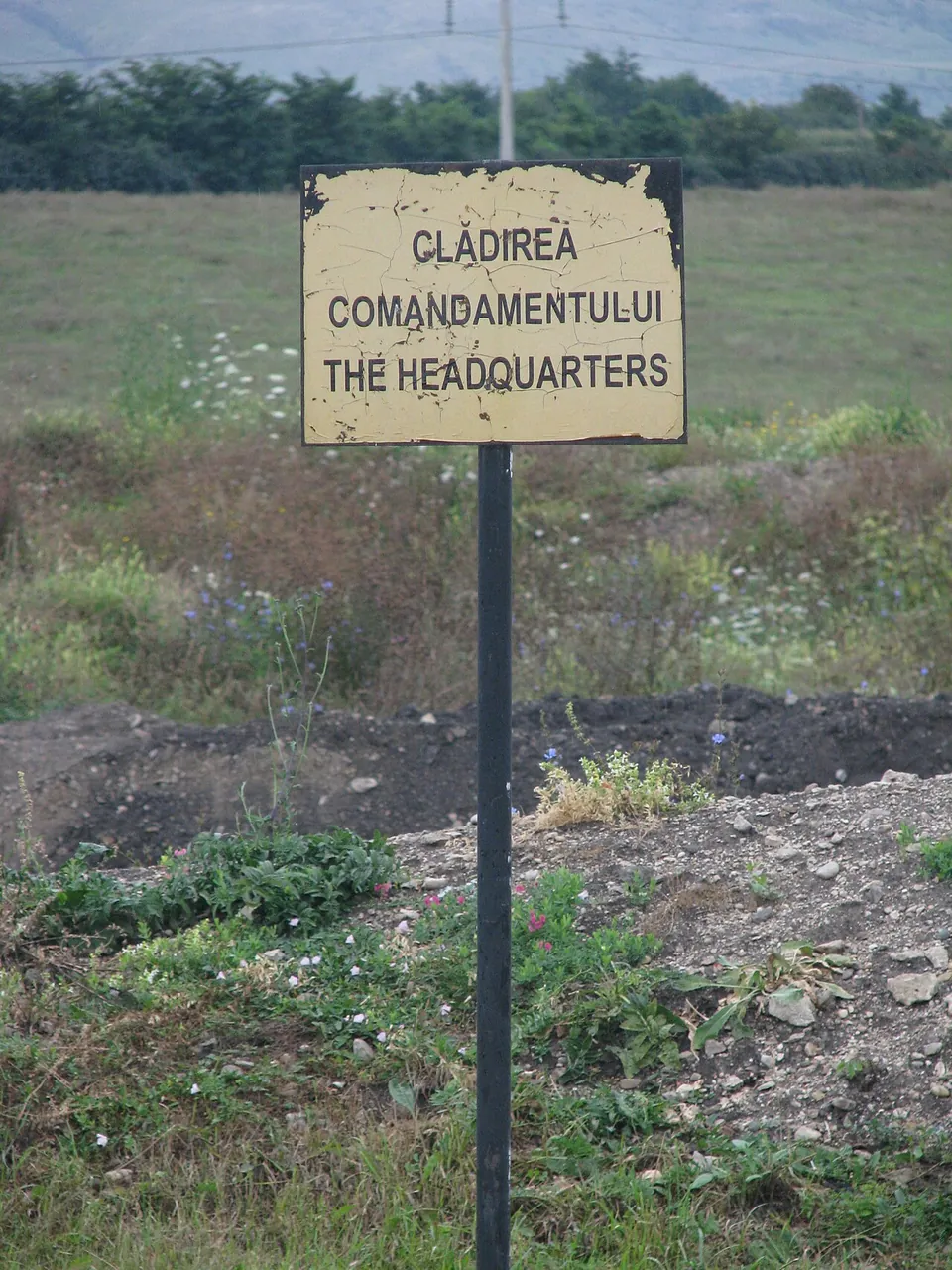
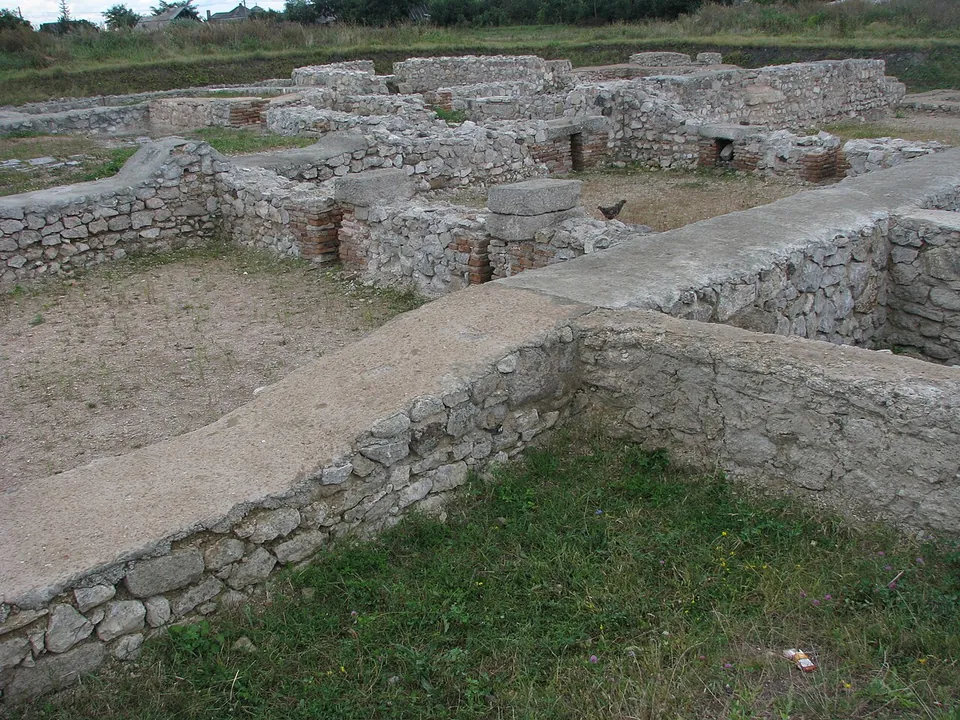
The fortress covered about 23.5 ha, 408 m by 573–580 m (published figures differ), on a terrace above the Arieș river; the Roman town lay 30–40 m below it (de.wikipedia). Its wall survives only as foundations, 1.7–2.0 m thick (de.wikipedia), but the restoration has consolidated and presented the headquarters building, the baths, the bastions and the Roman roads, with visitor routes laid out (Actual de Cluj). The north-west tower, a curtain tower, the rear gate (porta decumana) and the headquarters can be visited (ro.wikipedia).
The headquarters (principia), 125 by 72 m, are the largest in Dacia and among the largest in the empire; a great hall, about 70 m long, ran across the full width of the building, roofed without supporting columns (de.wikipedia). The legion’s baths, about 1,850 m², lie beside the via praetoria under a protective open roof; statue bases in the cold room were dedicated in 253 to Fortuna, Aesculapius and Hygieia (de.wikipedia).
Is it worth the trip?
Yes, now that it is open. It is a legionary fortress rather than an auxiliary fort, and the scale of the headquarters and baths says so. Expect consolidated foundations rather than standing buildings, on an open plateau at the edge of town. The Turda Salt Mine, where Roman galleries were found, is in the same town (de.wikipedia).
Getting there
The fortress lies on Dealul Cetății, immediately south and west of Turda (de.wikipedia). Two roads lead up to it by car: past the Mihai Viteazul National College, and from the DN1 along Strada Romană (ro.wikipedia).
It is run by the Turda History Museum, which opens Tuesday to Sunday, 09.00 to 17.00, and is closed on Mondays. A ticket to the fortress is 21 RON, about €3.90; students and pensioners pay 11 RON and pupils 5 RON, and a guide costs 90 RON, about €17. A combined ticket for the fortress, the History Museum and the Ethnographic Section, valid five days, is 42 RON, about €7.90 (muzeulturda.com, read 3 October 2026).
Visiting details
- Opening hours
- Tuesday to Sunday, 09.00–17.00; closed on Mondays (the Turda History Museum's published schedule).
- Tickets
- 21 RON (about €3.90) for the fortress; 11 RON for students and pensioners, 5 RON for pupils. A guide is 90 RON (about €17). A combined ticket for the fortress, the History Museum and the Ethnographic Section in Turda, valid 5 days, is 42 RON (about €7.90).
Before you go
- The restored fortress opened to the public only on 11 September 2026, so arrangements on site are new.
Hours and prices checked 3 October 2026 on the operator's own site. Confirm before travelling.
History
The name Potaissa is attested in inscriptions from about 107/108, soon after the conquest, when a civilian village probably grew up here. The Fifth Macedonian Legion, which had helped build Trajan’s Bridge and fought in both Dacian Wars, moved its headquarters here about 168/170, at the end of the Second Marcomannic War, and fought from here against the peoples beyond the frontier (de.wikipedia). The town became a municipium in 193 under Septimius Severus and a colonia under Caracalla; at its height it housed some 15,000 civilians and over 5,000 legionaries, more than 20,000 people in all, and it lived largely on the salt mines nearby (de.wikipedia). The fortress was in use for about a hundred years, to 271 (de and ro.wikipedia); the civil town lived on after the troops had gone (de.wikipedia).
More photographs

Nearby
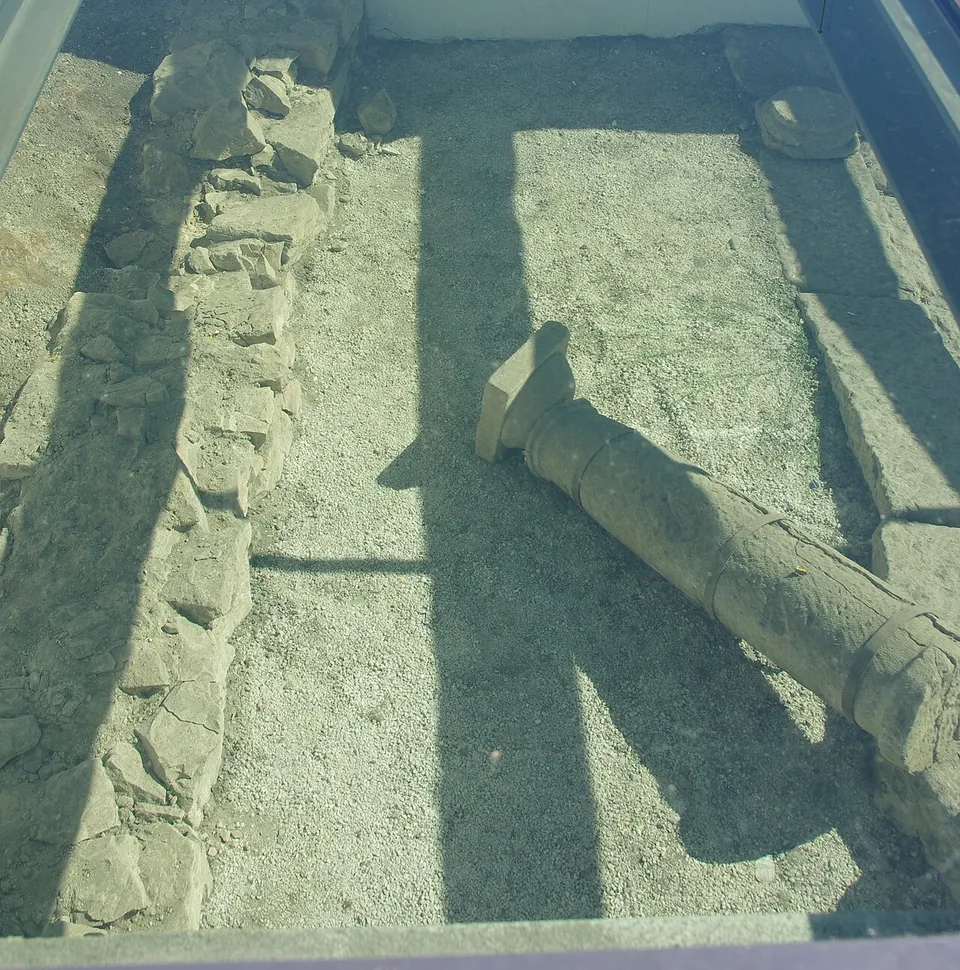
Photo: Codrin.B · CC BY-SA 3.0 ro · Commons

Straight-line distances.
Sources
Every fact on this page comes from the records below, each used under the licence noted.
| Source | Licence |
|---|---|
| Pleiades 207362 | CC BY |
| Wikidata Q3909485 | CC0 |
| Vici.org 2152 | CC BY-SA (text), CC0 (metadata) |
| OpenStreetMap way/219742517 | ODbL |
| Wikidata — Castra Potaissa (Q7234612, the legionary fortress) | licence not recorded |
| Wikipedia (de) — Potaissa | CC BY-SA 4.0 |
| Wikipedia (ro) — Castrul roman Potaissa | CC BY-SA 4.0 |
| Wikipedia (en) — Potaissa (castra) | CC BY-SA 4.0 |
| Muzeul de Istorie Turda — prices (the operator) | licence not recorded |
| Muzeul de Istorie Turda — opening hours (the operator) | licence not recorded |
| Actual de Cluj — the Roman fort in Turda opens to the public (10 September 2026) | licence not recorded |