

What is there today
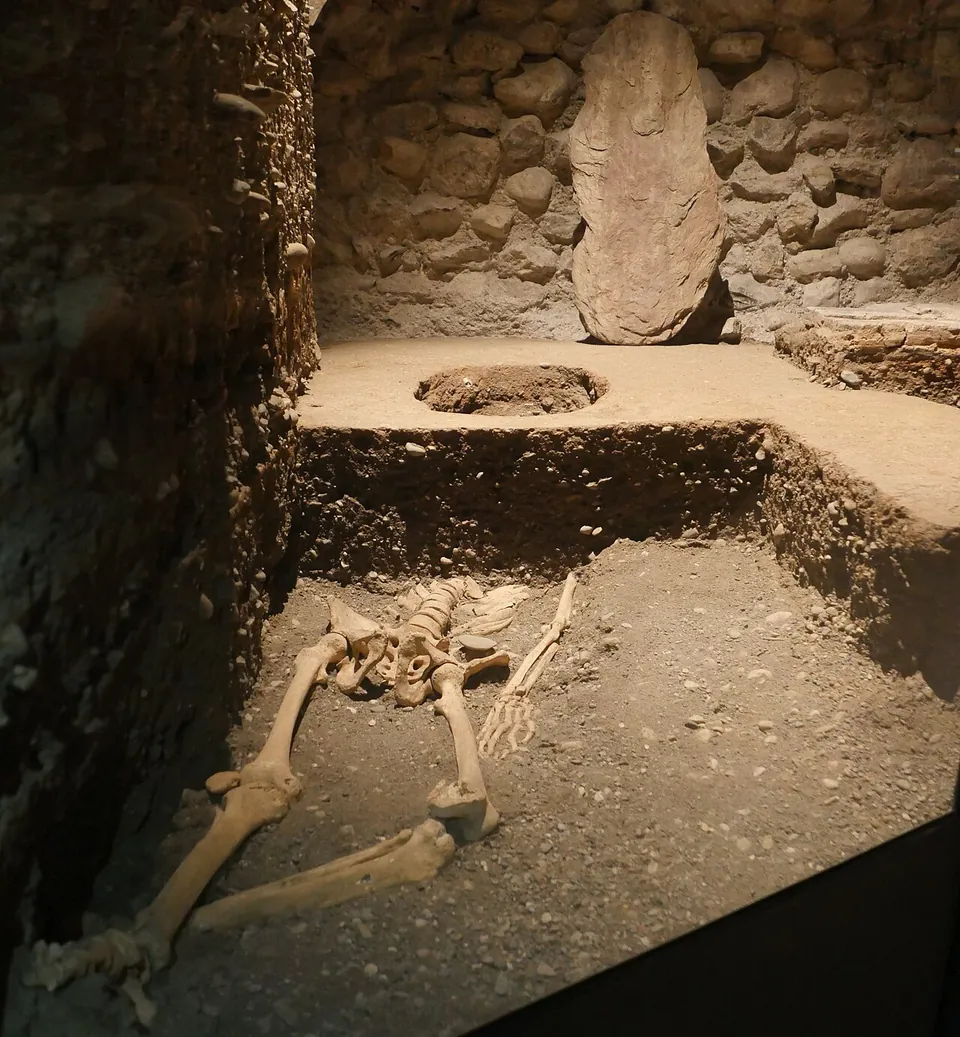
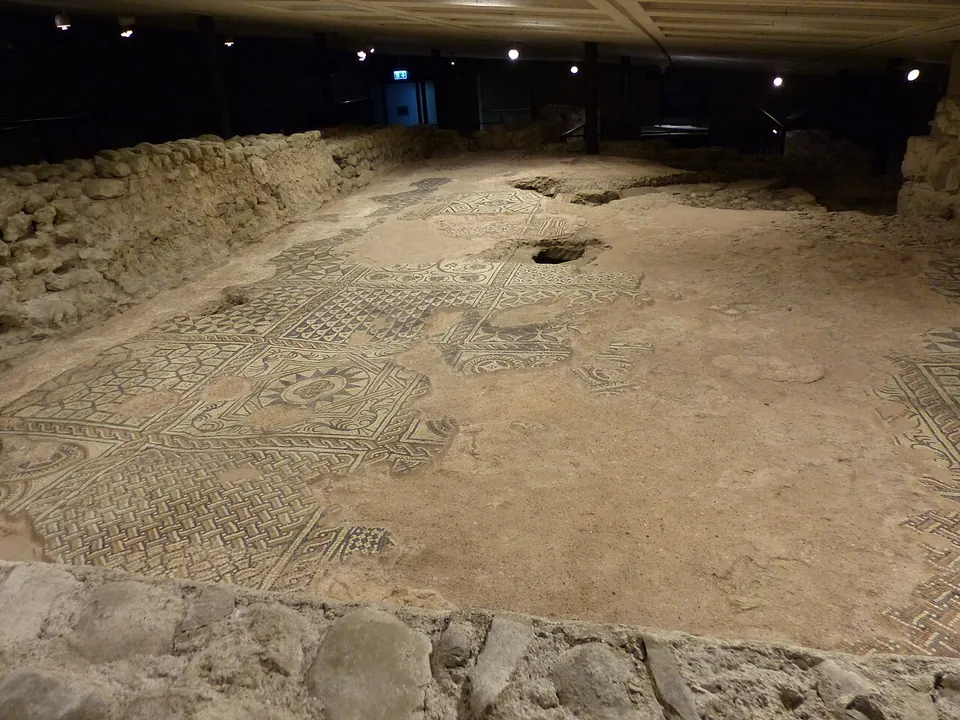
The visit goes down under the cathedral. Geneva Tourism describes the remains of earlier churches, the oldest going back to the end of the 4th century, and, below them, pre-Christian traces of occupation of the hill: wells, areas for processing grain and an Allobrogian tomb, presented with modern museum techniques. Photographs on Wikimedia Commons show the walls of the early “northern cathedral”, built in alternating courses of squared blocks and river stones, and the skeleton of the Allobrogian chief in his grave, a tumulus the file’s description dates to around 120 BC.
The cathedral above is a later building: Pleiades notes that the present building was begun around 1150, on the site of a church first built in the 4th century.
Is it worth the trip?
Yes. It is in the middle of Geneva’s old town, open every day, and it takes you through the hill’s long history in one visit, with a free audio guide. The Roman and late-antique part is the early churches rather than Roman buildings in the usual sense, so come for the long story under one roof rather than for temples or baths.
Getting there
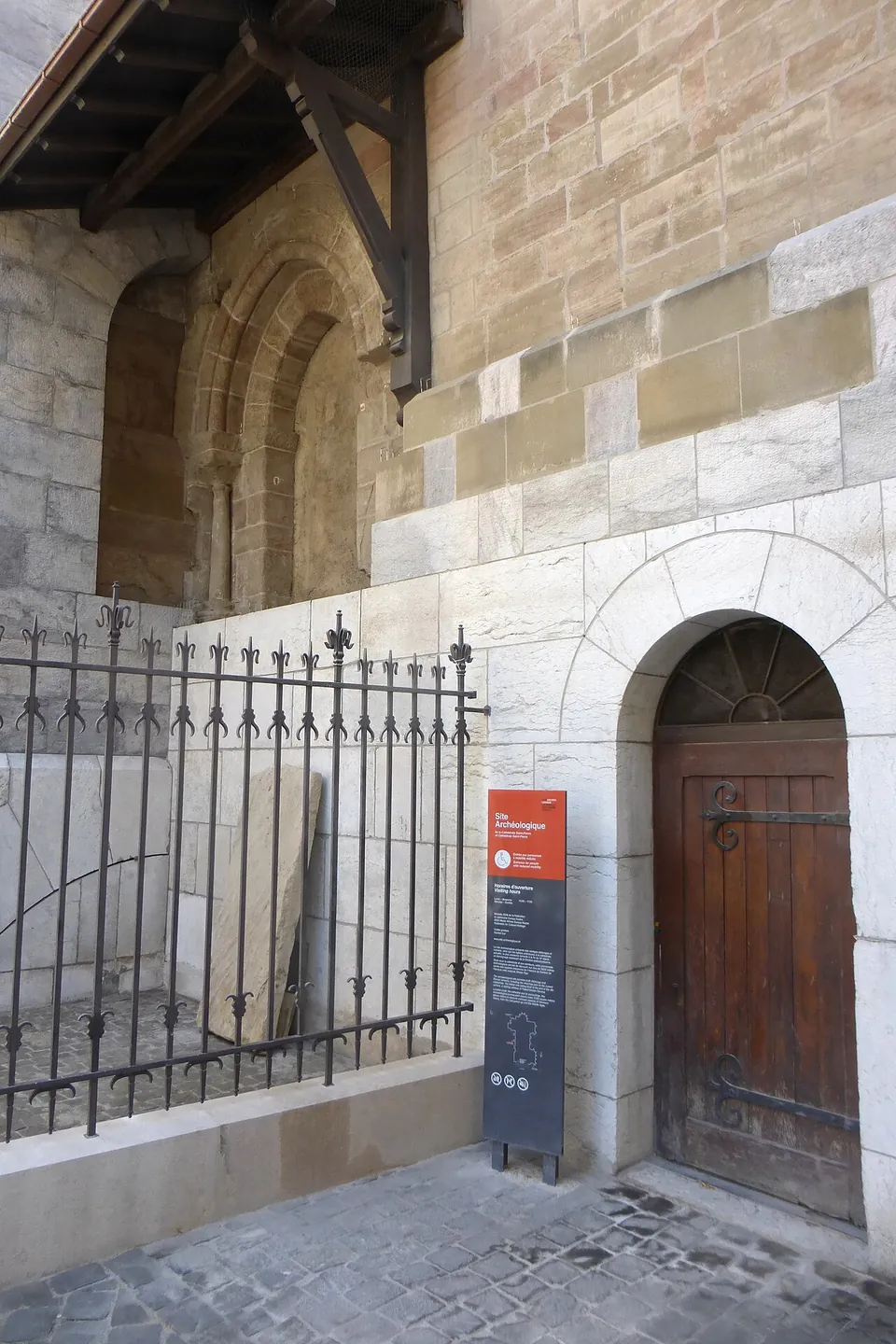
The site is at Cour de Saint-Pierre 6 in Geneva (Geneva Tourism); its entrance is a door on the rue du Cloître, on the north side of the cathedral (Wikimedia Commons). The bus stops Taconnerie and Cathédrale are mapped within about 70 m (OpenStreetMap). It opens daily 10.00–17.00, last entry 16.30 (the operator, Geneva Tourism). Entry is CHF 8 (about €8.55), or CHF 4 for children and pensioners, with a free audio guide in French, English or German (Geneva Tourism, read 7 October 2026 — check before travelling).
Visiting details
- Opening hours
- Daily 10.00–17.00, last entry 16.30.
- Tickets
- CHF 8 (about €8.55) for adults; CHF 4 (about €4.30) for children and pensioners; a free audio guide in French, English or German comes with the ticket.
Before you go
- The entrance is on the north side of the cathedral, a door on the rue du Cloître (Wikimedia Commons).
Hours and prices checked 7 October 2026 on the operator's own site. Confirm before travelling.
History
The first church on the site was built in the 4th century; the present cathedral was begun around 1150 and became a Protestant church at the Reformation (Pleiades). The national inventory lists the cathedral, the Maccabees chapel and the archaeological site with its museum as a cultural property of national significance, dated from the Roman period through the Middle Ages (KGS 2443).
Nearby
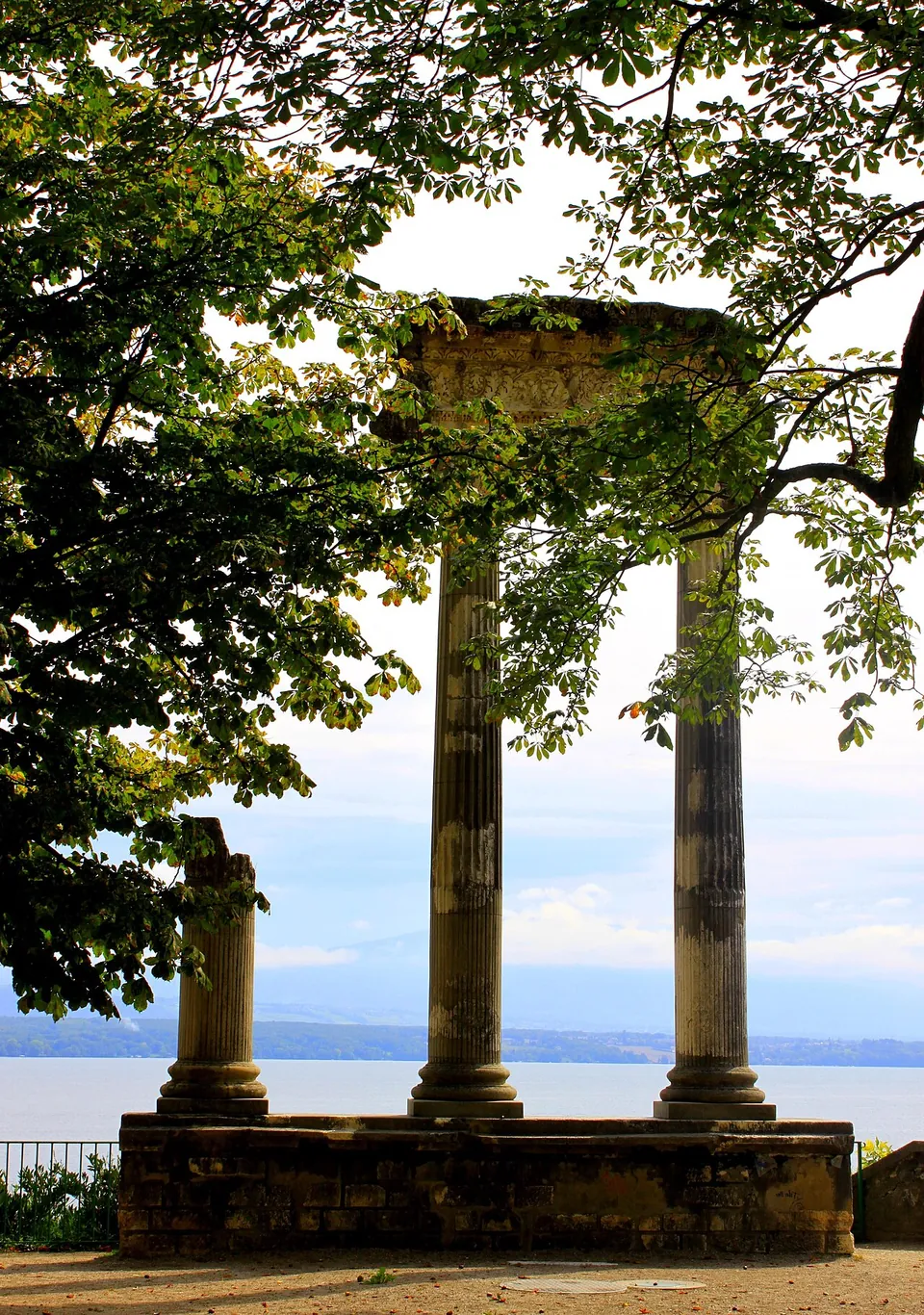
Photo: Odrade123 · CC BY-SA 3.0 · Commons
21 km · city · Nyon District, Vaud
Noviodunum
The modern town covers the Roman one entirely, and most of the remains found have been covered again once archaeologists had recorded them (fr.wikipedia).

Straight-line distances.
Sources
Every fact on this page comes from the records below, each used under the licence noted.
| Source | Licence |
|---|---|
| Pleiades 157797874 | CC BY |
| OpenStreetMap way/397737238 | ODbL |
| KGS inventory 2443 — Cathédrale St-Pierre et Chapelle des Macchabés, avec site archéologique et musée (BABS) | licence not recorded |
| Site archéologique de la cathédrale Saint-Pierre (the operator) | licence not recorded |
| Geneva Tourism — Site archéologique de la cathédrale Saint-Pierre | licence not recorded |