

What is there today
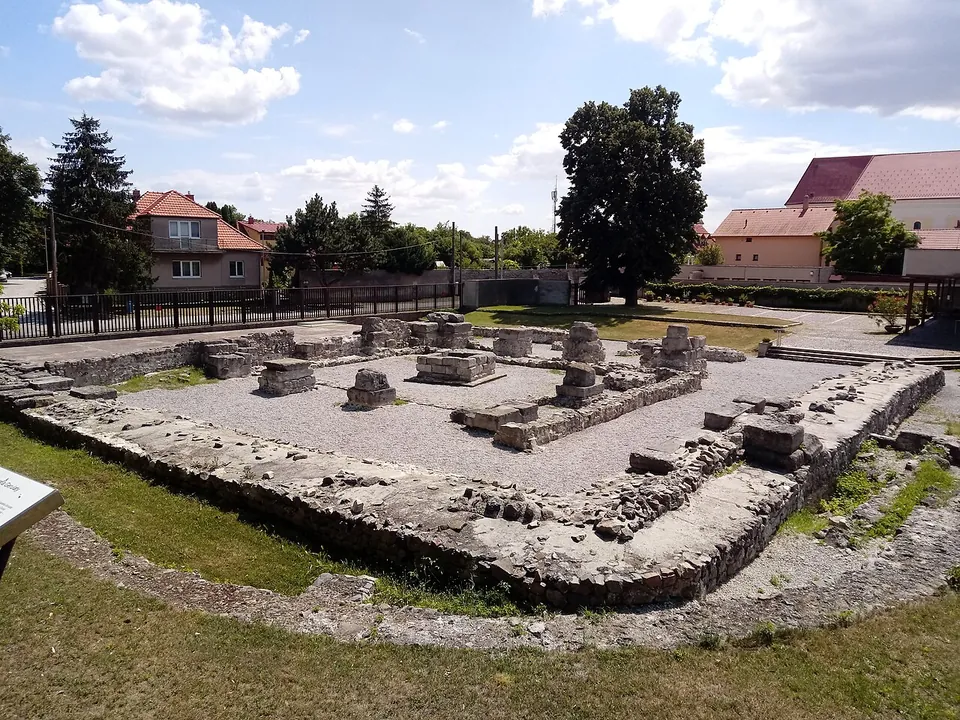
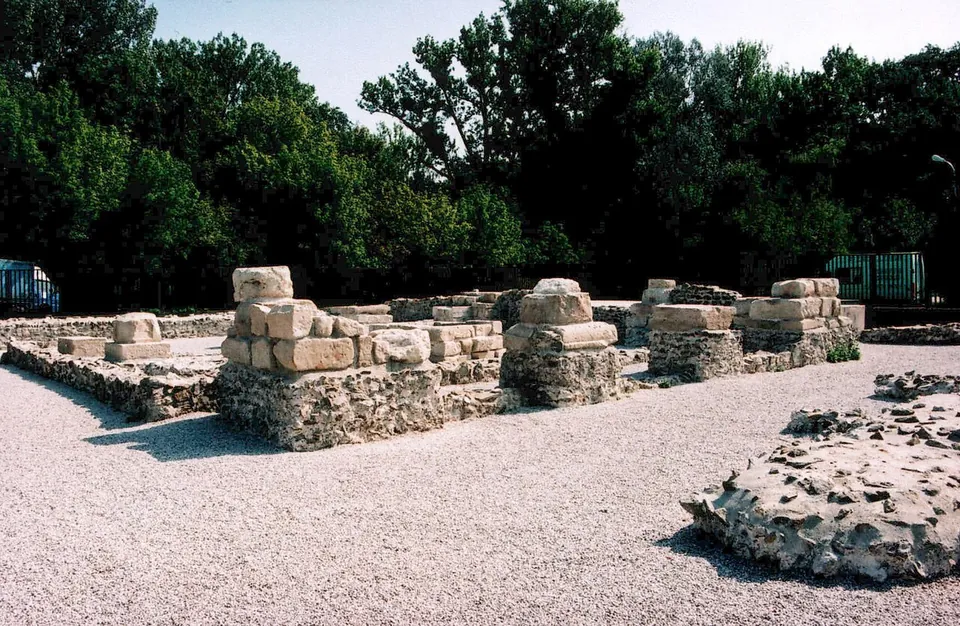
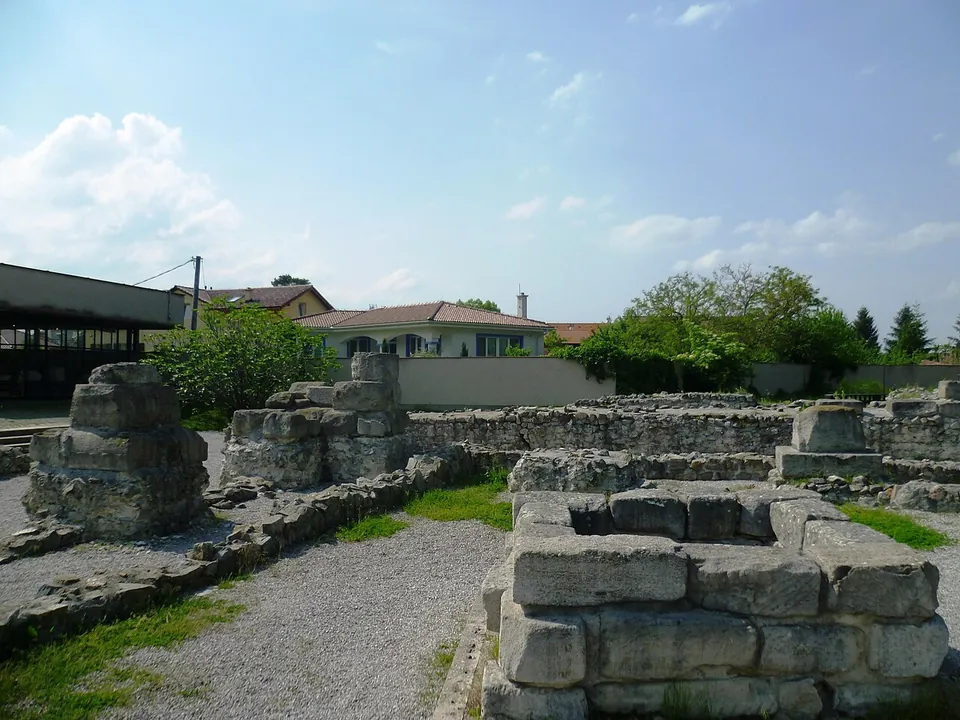
The conserved remains of the fort sit in fenced grounds among family houses, opened to visitors in 1987 (the operator). The centrepiece is the last fort on the site, a tower-like late Roman fortress of the 4th century built into the corner of an older structure: twelve massive piers framed its courtyard, and older foundations from several building phases are shown alongside (the operator). The best-preserved structure is a building 30 m square with walls 2.4 m thick (en.wikipedia). The remains stand low, a few courses of masonry and the bases of piers built of large squared blocks.
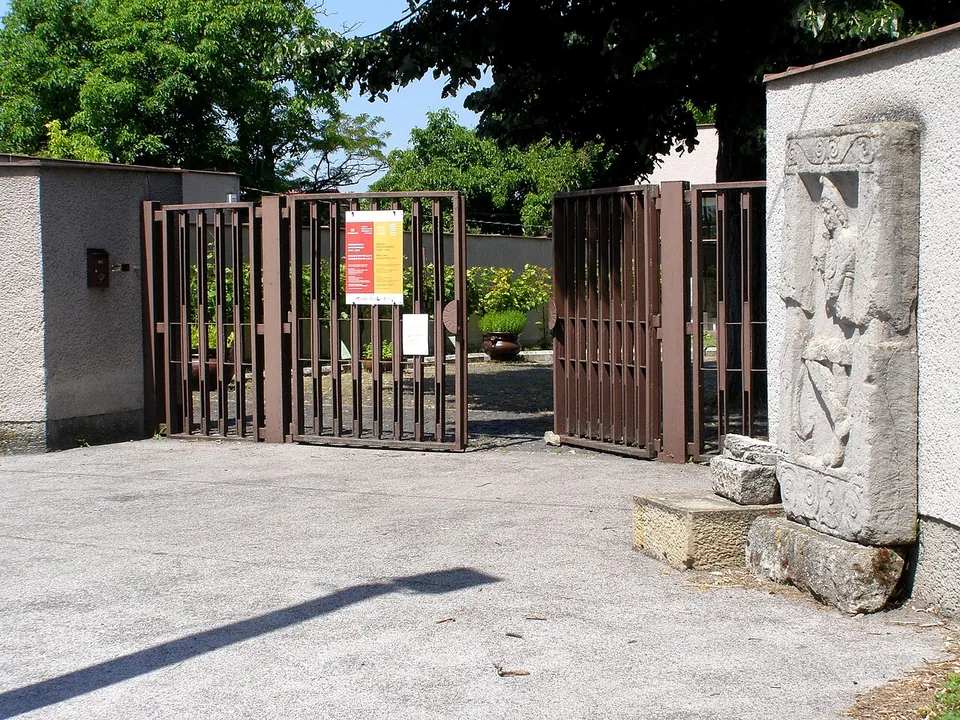
Next to them, the museum’s exhibition hall has held a new permanent exhibition, “Gerulata na hraniciach Rímskej ríše” (Gerulata on the frontier of the Roman Empire), since 2022: weapons, pottery, jewellery, parts of horse harness, a helmet, Roman tombstones, reliefs and coins found on the site. A room at the back holds “Virtual Gerulata”, a 3D model of the camp you can walk through with a gamepad (the operator).
Is it worth the trip?
Yes, if you are in Bratislava between April and October. It is the country’s one Roman site on the empire’s own side of the Danube (the operator), part of the western segment of the Danube Limes, a UNESCO World Heritage Site since 2021 (en.wikipedia), and it is a city bus ride from the centre. The grounds are free and the exhibition costs €4, so a visit costs little.
Keep expectations in proportion. This is a compact site in a residential street, and the walls stand low; the operator’s guided talk of the site takes an hour. Outside the season, from November to March, it is closed.
Getting there
The museum is at Gerulatská 7 in Rusovce (the operator), behind the Church of St Mary Magdalene (en.wikipedia). Buses 90, 91 and 191 run there from the city centre, and you can also cycle out along the flood dike from the centre (the operator); the nearest stop, Gerulata, is about 280 m away (OpenStreetMap). By car, there is street-side parking about 40 m from the site and a free car park about 100 m away (OpenStreetMap).
The season runs from 1 April to 31 October. From May to September it opens Tuesday to Sunday, 10.00–18.00; in April and October, Thursday to Sunday, 10.00–17.00. Last entry is 30 minutes before closing, and it is closed on Good Friday. Entry to the grounds is free; the exhibition costs €4, or €2 for children aged 6–15, students and seniors, with family tickets at €9 (two adults and three children) and €5 (one and two), and free entry under 6. Guided talks of 60 minutes can be booked (the operator, read 10 October 2026; check before travelling).
Visiting details
- Opening hours
- Open 1 April to 31 October only. May to September, Tuesday to Sunday 10.00–18.00; April and October, Thursday to Sunday 10.00–17.00. Last entry 30 minutes before closing; closed on Good Friday.
- Tickets
- Entry to the grounds with the remains is free. The exhibition costs €4; €2 for children aged 6–15, students and seniors; family tickets €9 (2 adults and 3 children) and €5 (1 and 2); free under 6.
- Parking
- Street-side parking 40 m from the site and a free car park about 100 m away (OpenStreetMap way/1387980308 and way/848198790).
Before you go
- Closed from November to March.
Hours and prices checked 10 October 2026 on the operator's own site. Confirm before travelling.
History
The operator dates the founding of Gerulata to the Flavian emperors: the Cohors V Lucensium founded the fort in the reign of Domitian (81–96), and from the beginning of the 2nd century the cavalry unit Ala I Cannanefatum was stationed here (en and sk.wikipedia date the building to the 2nd century instead). The fort guarded the eastern flank of the legions stationed at Carnuntum, capital of Upper Pannonia, and watched the movements of the Germanic peoples in what is now south-western Slovakia. Its name was probably taken over from the Celts who lived here before (the operator).
Excavation has traced four building phases. The oldest camp was a rectangle of timber and earth. Under the Antonine emperors in the 2nd century more building followed, linked to the strengthening of the frontier, to Rome’s efforts to win new territory and to the unrest known as the Marcomannic Wars. The third camp was a smaller square with a massive stone wall, its reduction connected with the army reforms of the 3rd century. The last phase was the tower-like late Roman fortress. The burial grounds, the civilian settlement (vicus) and farmsteads around the fort have also been located (the operator). The fort was abandoned in the 4th century, when the Roman legions withdrew from Pannonia (en.wikipedia). A Lombard cemetery of 166 graves outside the village, Slavic huts and an early Hungarian cemetery show that the place stayed attractive to settlers in the centuries of the Migration Period (the operator).
Restoration of the site began in 1975, and the finds have been shown in the exhibition hall since 1987 (the operator).
More photographs

Nearby
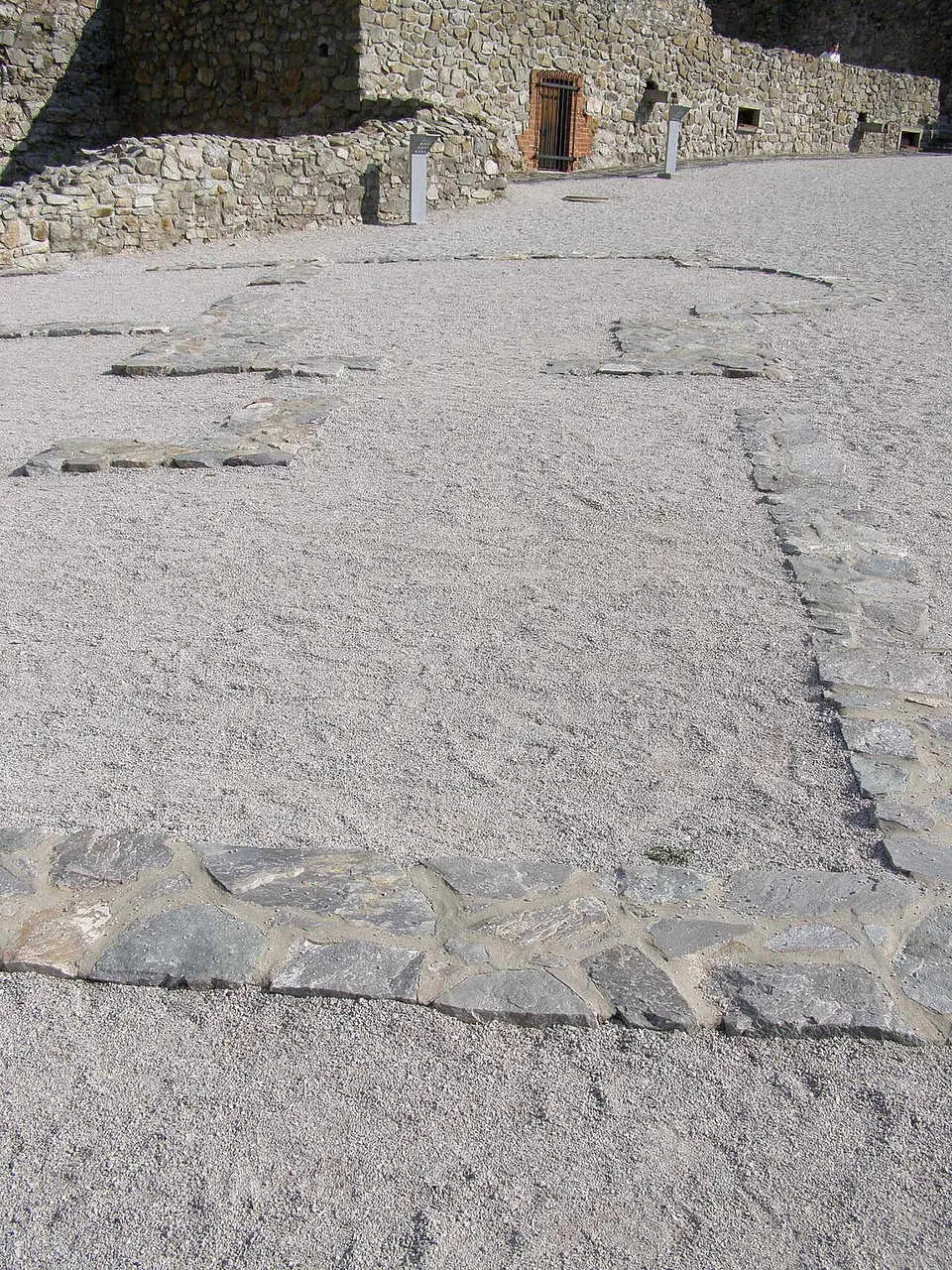
Photo: Lure · CC BY-SA 3.0 · Commons
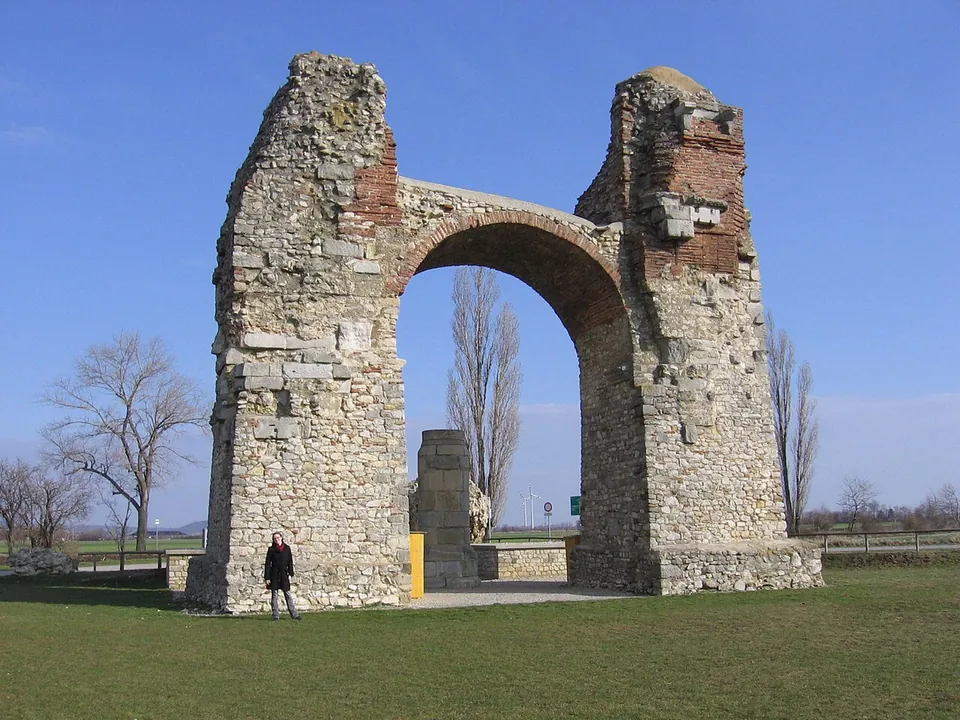
Photo: Michael Dufek at de.wikipedia · CC BY-SA 3.0 · Commons
22 km · city · Bruck an der Leitha District
Carnuntum
The heart of a visit is the Roman city quarter in the park beside Schloss Petronell.


Straight-line distances.
Sources
Every fact on this page comes from the records below, each used under the licence noted.
| Source | Licence |
|---|---|
| Pleiades 128399 | CC BY |
| Wikidata Q1309632 | CC0 |
| Vici.org 12867 | CC BY-SA (text), CC0 (metadata) |
| OpenStreetMap way/50389176 | ODbL |
| Antická Gerulata (Bratislava City Museum, the operator) — hours, admission and history | licence not recorded |
| Wikipedia (de) — Kastell Gerulata | CC BY-SA 4.0 |
| Wikipedia (en) — Gerulata | CC BY-SA 4.0 |
| Wikipedia (sk) — Gerulata | CC BY-SA 4.0 |
| Wikipedia (hu) — Gerulata | CC BY-SA 4.0 |