

What is there today
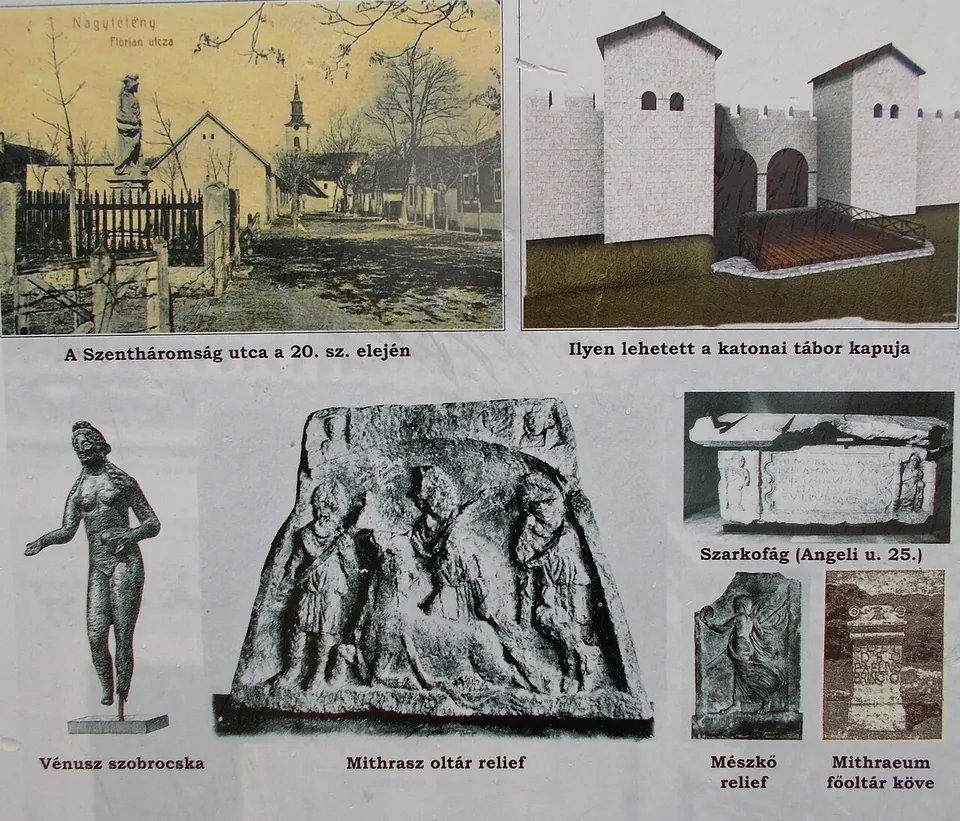
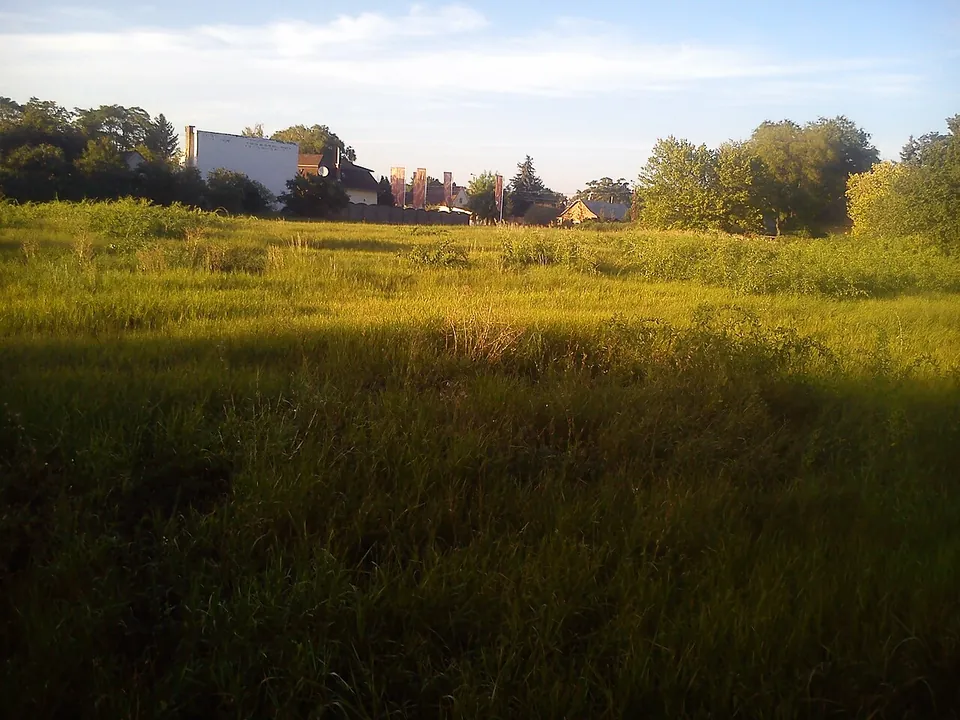
Of the fort itself, little stands: its ruins were visible for a long time, but today only the stumps of a few wall sections show above ground (hu.wikipedia). The museum makes up for it. Its exhibition has finds, models, a photo gallery, short films and virtual reconstructions, the stone gallery holds 16 carved Roman stones from Nagytétény and the surrounding area, and the open-air archaeological park uses built structures, planting and virtual reconstructions to show the fort, with its walls, towers, gates, buildings and main roads (the operator).
Is it worth the trip?
For someone following the Roman frontier through Budapest, yes, as a short, modest visit: it is the place where a fort that has almost disappeared is explained on its own site. For anyone else it is a small museum on the edge of the city, and the Aquincum Museum is the better choice.
Getting there
The exhibition site is on Szent Flórián tér in the 22nd district, next to the Nagytétény castle museum (the operator). Public transport stops on Szabadság utca and Nagytétényi út are mapped about 200 m away, and there is a free car park about 180 m off (OpenStreetMap).
The ticket page gives the opening hours as Wednesday to Saturday, 10.00 to 18.00; another of the museum’s pages says Tuesday to Sunday, which is the main museum’s schedule, so check before you go. A ticket is 1,500 HUF, about €4.10, and a guided tour 4,000 HUF (jegy.mnm.hu, read 4 October 2026).
Visiting details
- Opening hours
- Wednesday to Saturday, 10.00–18.00 (the museum's ticket page; another of its pages gives Tuesday to Sunday).
- Tickets
- 1,500 HUF (about €4.10); guided tour 4,000 HUF.
- Parking
- A free car park about 180 m away (OpenStreetMap).
Before you go
- Of the Roman fort itself only a few stumps of wall survive above ground; the museum's park shows the rest with built structures and virtual reconstructions.
Hours and prices checked 4 October 2026 on the operator's own site. Confirm before travelling.
History
Campona stood on the bank of the Danube south of Aquincum, probably with a harbour, as one of the chain of forts of the Pannonian army (hu.wikipedia). It was built early in the 2nd century as a palisade fort, in connection with the Sarmatian wars that followed the death of Trajan, and rebuilt in stone at the end of that century; it may have served to strengthen the defence of Aquincum. It burned down several times, and each rebuilding changed it, so its plan traces the development of Roman fort building from the 2nd to the 4th century (hu.wikipedia). The finds include a relatively large number of inscriptions, especially gravestones and altars, and show that civilians used the fort in the 5th century, after the army had gone (de.wikipedia).
Nearby
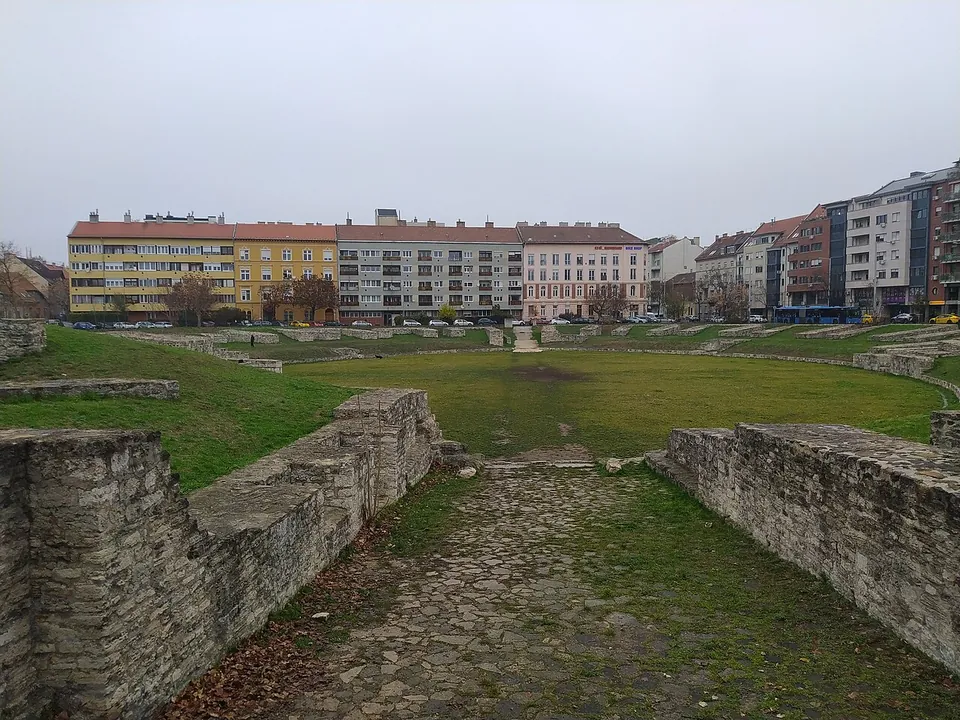
Photo: Envagyokabela · CC BY-SA 4.0 · Commons
16 km · amphitheatre · Budapest
Aquincum military amphitheatre
The building measures 131.9 by 108.4 m and is estimated to have held 12,000 to 13,000 spectators (de.wikipedia).
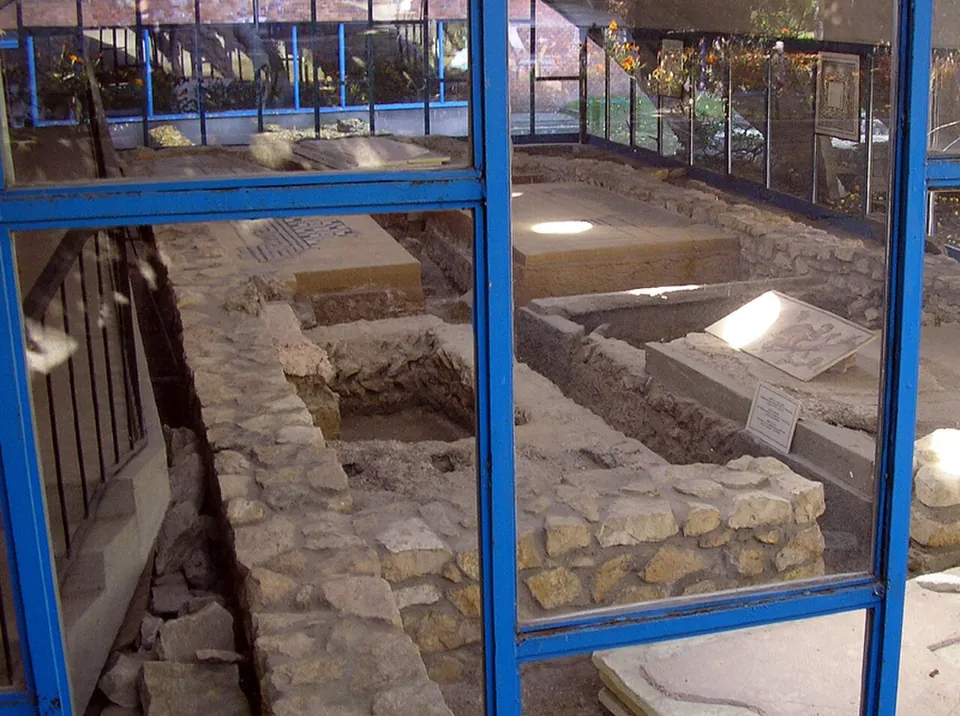
Photo: Vadaro · Public domain · Commons
18 km · villa · Budapest
Hercules villa
Three rooms with mosaic floors are displayed in a large protective building, some with geometric patterns and some with figures, and a separate building shows more mosaics; in the garden are late Roman stone coffin graves (the operator).
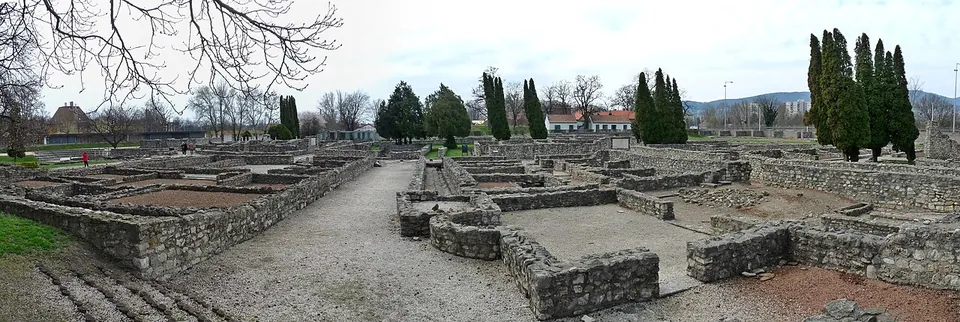
Photo: Fekist · CC BY-SA 4.0 · Commons
20 km · city · Budapest
Aquincum
The park shows public buildings and private houses of the civil town from the 2nd and 3rd centuries AD, in a layout that follows the town's plan (the operator).


Straight-line distances.
Sources
Every fact on this page comes from the records below, each used under the licence noted.
| Source | Licence |
|---|---|
| Pleiades 197187 | CC BY |
| Wikidata Q973274 | CC0 |
| OpenStreetMap node/5380124426 | ODbL |
| Wikipedia (de) — Kastell Campona | CC BY-SA 4.0 |
| Wikipedia (hu) — Campona (római erőd) | CC BY-SA 4.0 |
| Hungarian National Museum — Let's discover Campona! (the operator) | licence not recorded |
| Hungarian National Museum — Campona Victrix exhibition site | licence not recorded |
| Hungarian National Museum — Campona Victrix tickets | licence not recorded |