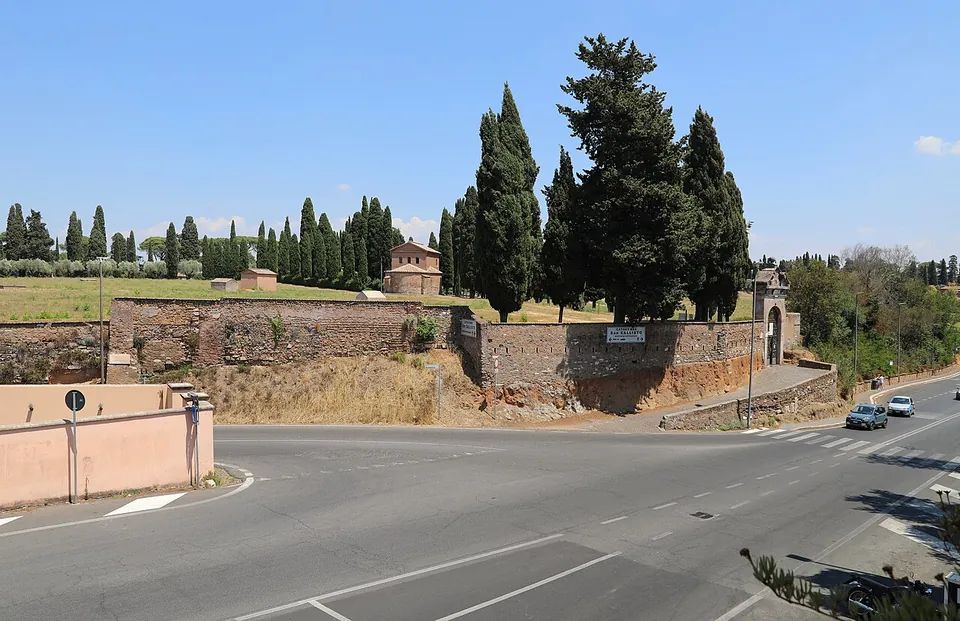


The Catacomb of Callixtus is one of Rome’s great early Christian underground cemeteries, on the Appian Way about 4 km south-east of the Forum, and the guided tour takes you down to the crypt where nine 3rd-century popes were buried, five of them still named on their original Greek gravestones (the operator; it.wikipedia). The operator calls it one of the largest and most important underground cemeteries in Rome.
What is there today
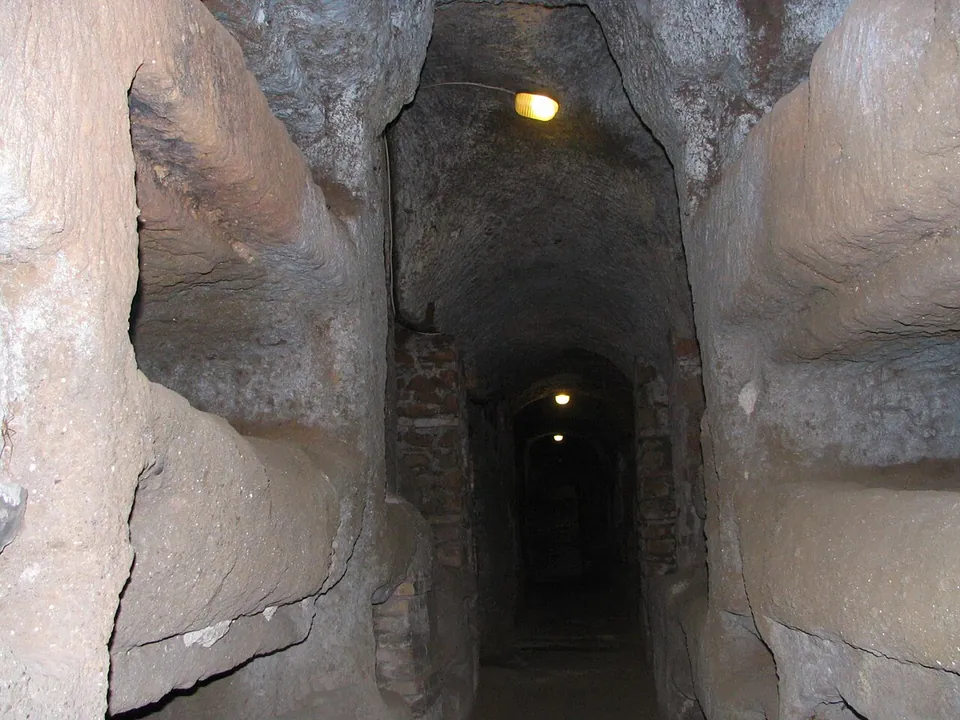
Under about 15 hectares of fields and cypresses lies a network of galleries close to 20 km long on several levels, reaching about 20 m down (Pleiades; en, it, de and fr.wikipedia; published counts of the levels run from four to five). Some half a million Christians were buried here, among them many martyrs and 16 popes (the operator). Only the second level is open to visitors (fr.wikipedia). A modern staircase, on the site of the one Pope Damasus I built in the 4th century, leads down to the area of the Popes (it.wikipedia; en.wikipedia).
The heart of it is the crypt of the Popes, which the operator says is called “the little Vatican”: it was the official burial place of nine popes and probably eight other dignitaries of the 3rd-century Church of Rome. The original Greek inscriptions of five of them, Pontianus, Anterus, Fabian, Lucius and Eutychian, are still in the walls, and Pope Sixtus II, killed in the persecution under the emperor Valerian, was laid in the end wall (the operator; it.wikipedia). In front of his tomb is a verse inscription by Damasus, cut in letters designed by the calligrapher Furius Dionysius Filocalus (it.wikipedia). Next door is the crypt of St Cecilia, where she was venerated for at least five centuries before her relics went to her church in Trastevere in 821. A copy of Stefano Maderno’s 1599 statue lies where her tomb was, and on the walls are paintings of the early 9th century, among them Cecilia at prayer (the operator).
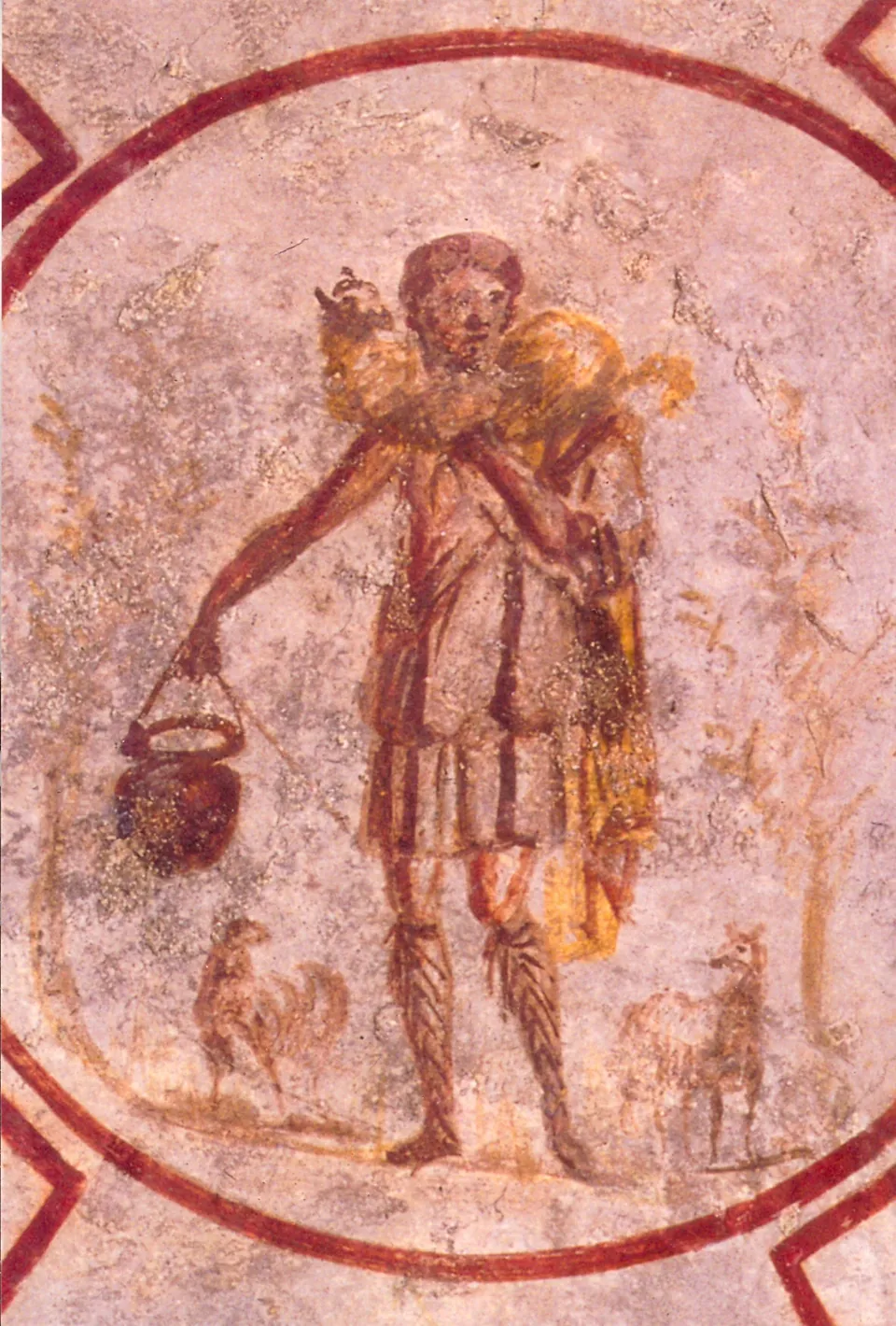
The operator’s itineraries go on through galleries lined with burial niches to the five cubicles of the Sacraments, family tombs with frescoes of the early 3rd century that it reads as baptism and the Eucharist, with Jonah as a symbol of resurrection; the area of Pope Miltiades, with Christian symbols and gravestones along its galleries, the tombstone of the phoenix and the cubicle of the Four Seasons; and the facing crypts of Pope Gaius, large enough for community gatherings, and Pope Eusebius, before whose tomb Damasus set an inscription (the operator). Above ground, inside the entrance, stand two small basilicas with three apses each, the Tricorae (the operator).
Is it worth the trip?
Yes, for anyone curious about Rome’s first Christians. This was the official cemetery of the Church of Rome in the 3rd century, where it buried its own bishops, and the crypt of the Popes, the most important place in it, still has their original gravestones (the operator; de.wikipedia). It is 500 m from San Sebastiano and within about a kilometre of the Villa of Maxentius and the Tomb of Caecilia Metella, so it fits a day on the Appian Way.
Know what you are booking. You see the catacomb only on a guided tour of about 40 minutes, in Italian, English, French, Spanish or German, in a group and with no photographs. You walk down about 50 irregular steps and back up as many, with nowhere to sit and no lift, so it cannot be done in a wheelchair, and the operator advises against it for anyone claustrophobic. It is about 16 °C and humid underground, so bring a layer (the operator). It is closed on Wednesdays, whereas San Sebastiano’s catacomb (catacombe.org) and the Appia Antica park’s sites, the Tomb of Caecilia Metella among them (Parco Archeologico dell’Appia Antica), close on Mondays: on a Monday, this is the one that is open.
Getting there and what it costs
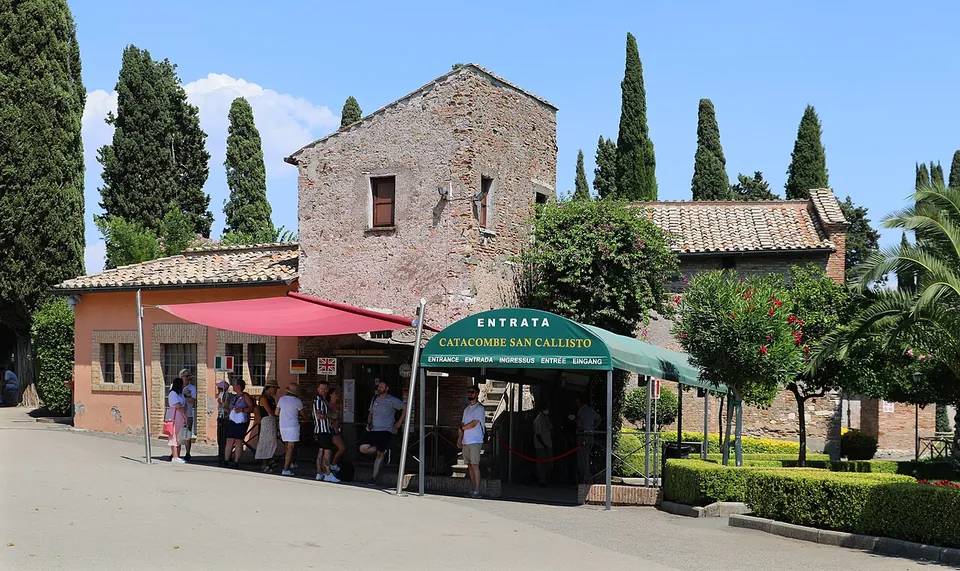
The address is Via Appia Antica 110, between the church of Quo Vadis and San Sebastiano. Bus 118 from Colosseo or Circo Massimo on Metro line B stops at “Catacombe di San Callisto”, and bus 218 from San Giovanni on Metro line A stops at Fosse Ardeatine, with the entrance opposite the stop (the operator; Opera Romana Pellegrinaggi). The operator also gives bus 660 from Arco di Travertino (Metro A) to the Appia Pignatelli/Appia Antica stop, and bus 714 to Navigatori followed by a walk of 1 km along Via delle Sette Chiese. A free car park named for the catacombs is mapped about 65 m away, with free toilets nearby (OpenStreetMap). The operator’s own car park can be entered only from the junction of Via Appia Antica and Via Ardeatina by Quo Vadis. Private cars may not use the Via Appia Antica on public holidays.
Tours run Thursday to Tuesday, 09.00 to 12.00 and 14.00 to 17.00, starting every half hour; the last start at 12.00 and 17.00, and the ticket office closes at 16.50. The catacomb is closed every Wednesday, on 1 January, 25 December and Easter Sunday, and from 13 January to 10 February 2027. A ticket is €10, the tour included; €7 for ages 7 to 16, school groups, students of archaeology, architecture, art history or cultural studies up to 25, and priests, religious, seminarians and novices; free for children up to 6. The operator requires booking online, through Opera Romana Pellegrinaggi, where the same tickets cost €12 and €9 with a €2 booking fee (catacombesancallisto.it and omniavaticanrome.org, read 21 October 2026; check before travelling).
Visiting details
- Opening hours
- By guided tour only, Thursday to Tuesday 09.00–12.00 and 14.00–17.00; the last tours start at 12.00 and 17.00 and the ticket office closes at 16.50. Closed every Wednesday, on 1 January, 25 December and Easter Sunday (28 March 2027), and from 13 January to 10 February 2027.
- Tickets
- €10 full, €7 reduced (ages 7–16, school groups, students of archaeology, architecture, art history or cultural studies up to 25, clergy, with proof); free for children up to 6, visitors with a disability above 74% and their assistant, and licensed tour guides. The guided tour is included. Visitors must book online, through the official seller, where the price is €12 full and €9 reduced, including a €2 booking fee.
- Parking
- A free surface car park named for the catacombs is mapped about 65 m from the point (OSM way/32867488, fee=no). The operator says its own unattended car park can be entered only from the junction of Via Appia Antica and Via Ardeatina by the church of Quo Vadis, and points drivers coming along Via Ardeatina to the public parking in front of the catacombs at the Fosse Ardeatine.
Before you go
- Online booking is required; individuals and groups of up to 15 book and pay through Opera Romana Pellegrinaggi (omniavaticanrome.org), the seller the operator names as the only authorised one.
- The catacomb can be seen only on a guided tour of about 40 minutes with the operator's staff, in groups of at least two; no one may go round alone.
- Photographs and video are not allowed in the catacomb.
- About 50 irregular steps down and as many back up, with no lift and nowhere to sit; wheelchairs cannot go in, and the operator advises against the visit for anyone claustrophobic.
- Closed on Wednesdays, and from 13 January to 10 February 2027.
- Private vehicles may not drive on the Via Appia Antica on public holidays.
Hours and prices checked 21 October 2026 on the operator's own site. Confirm before travelling.
Nearby
San Sebastiano, with its own catacomb and Roman tombs, is about 500 m away, and so are the Catacombs of Domitilla. The Villa of Maxentius is about 800 m away and the Tomb of Caecilia Metella about 1.1 km, further out along the Appian Way (straight-line distances between the sites’ mapped points).
History
The Appian Way was lined with pagan cemeteries before the Christians came, and the ground here probably belonged to the family of the Caecilii (de.wikipedia). Around the middle of the 2nd century it passed to the Church of Rome (de.wikipedia), and the catacomb grew from several private Christian burial places and an area run directly by the Church (it.wikipedia). At the beginning of the 3rd century Pope Zephyrinus put the deacon Callixtus in charge of the cemetery, which is why it bears his name (the operator). As pope himself (217–222) Callixtus enlarged it, and it became the official cemetery of the Church of Rome (it.wikipedia; de.wikipedia). He was not buried here but in the Catacomb of Calepodius on the Via Aurelia (en.wikipedia).
Separate burial areas were dug and later joined into one: the crypts of Lucina and the area of the Popes and of St Cecilia in the 2nd century, the area of Miltiades in the mid-3rd, that of Gaius and Eusebius at the end of the 3rd, and the western and Liberian areas in the first and second halves of the 4th (the operator; de.wikipedia). The later areas have large rooms where several dozen people could gather for worship (de.wikipedia). In the 4th century Damasus turned the crypt of the Popes into a place of worship with an altar, light shafts, columns and architraves, of which only remains survive (de.wikipedia). Among more than two thousand inscriptions, one in the cubicle of the deacon Severus, from around 300, calls the bishop of Rome, Marcellinus, “pope” (it.wikipedia; fr.wikipedia).
From the 5th century burial above ground gradually replaced burial below, but pilgrims kept coming to the martyrs’ tombs until the 8th century. With the catacombs damaged in the wars of the Goths, Vandals and Byzantines and falling into disrepair, the relics were moved into churches in the city, the entrances collapsed or were overgrown, and the land became vineyards (de.wikipedia). The archaeologist Giovanni Battista de Rossi found the first clues in the 1840s, helped by the gravestone of the martyr pope Cornelius found in those years; excavation confirmed the catacomb in 1852, and he rediscovered the crypt of the Popes in 1854 (de.wikipedia; en.wikipedia). The complex belongs to the Holy See, the Pontifical Commission for Sacred Archaeology looks after it, and since 1930 the Salesians of Don Bosco have run the guided tours (the operator).
More photographs

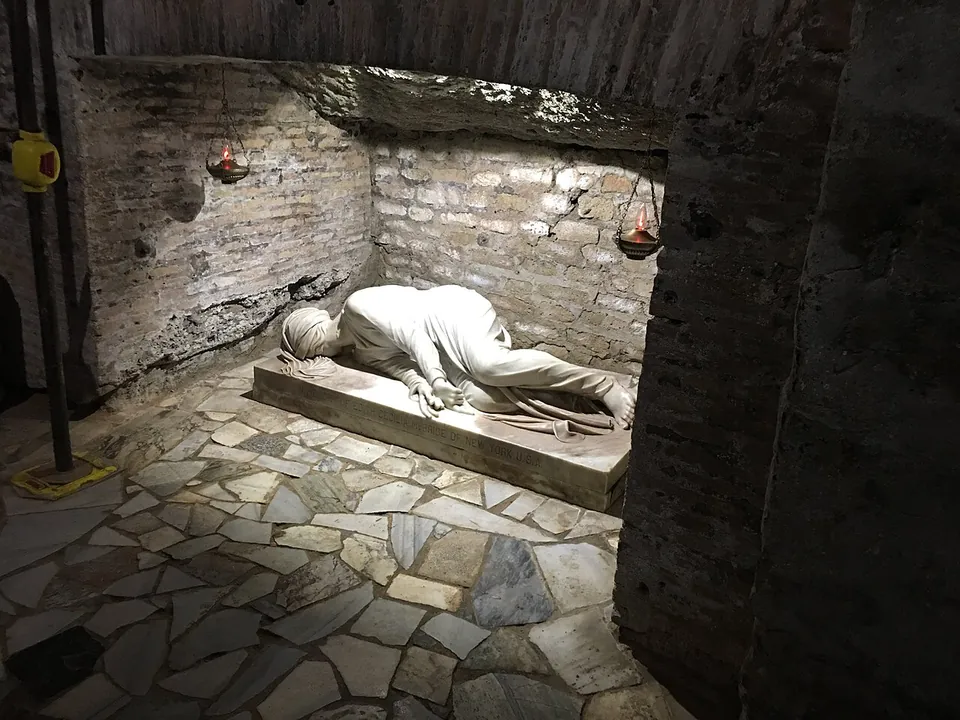

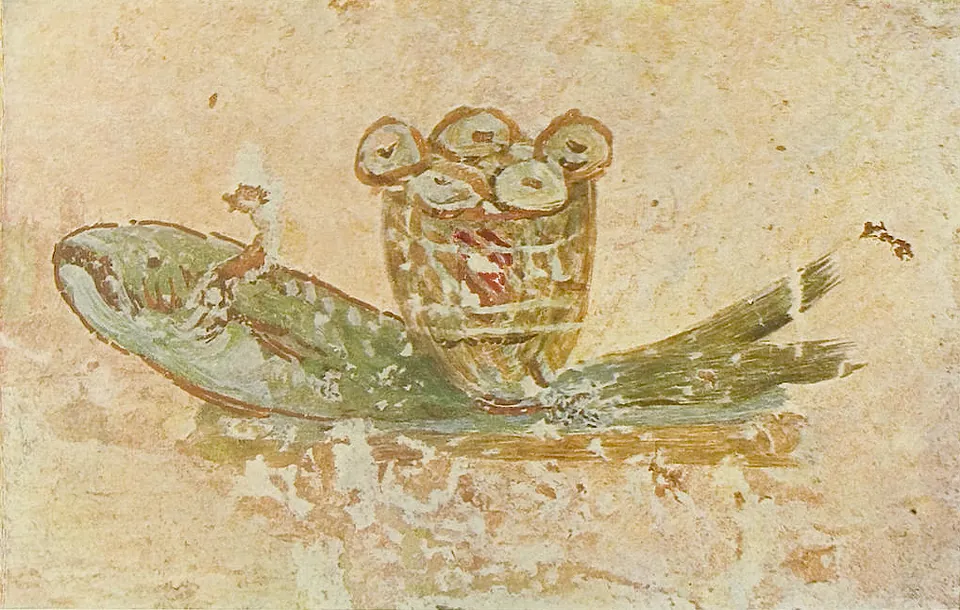

Nearby
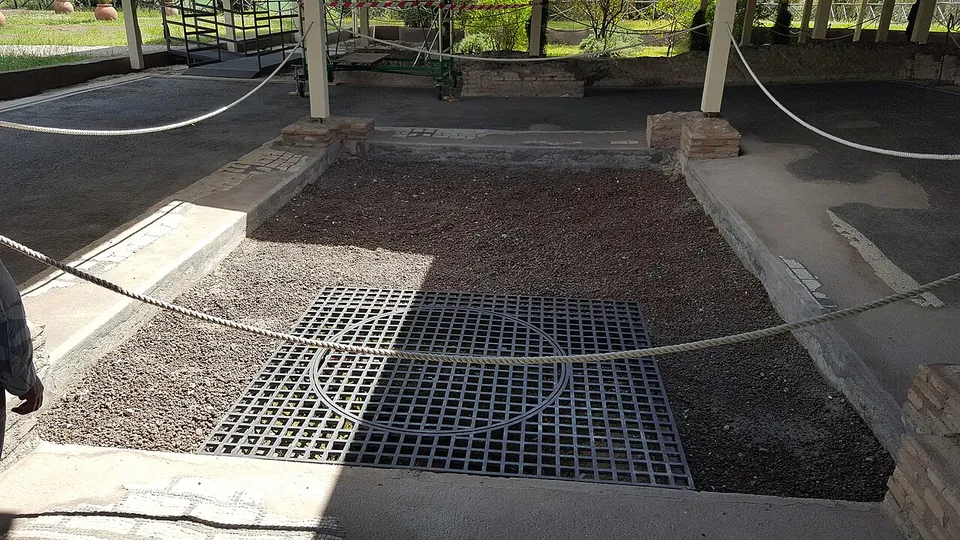
Photo: MumblerJamie · CC BY-SA 2.0 · Commons
16 km · villa · Lazio
Villa of Livia
The operator describes the private wing with the bedrooms of Livia and the emperor, an atrium and a small inner garden, and the large reception rooms that open onto a peristyle; the rooms once had painted walls and floors of mosaic and cut marble (Soprintendenza Speciale di Roma).
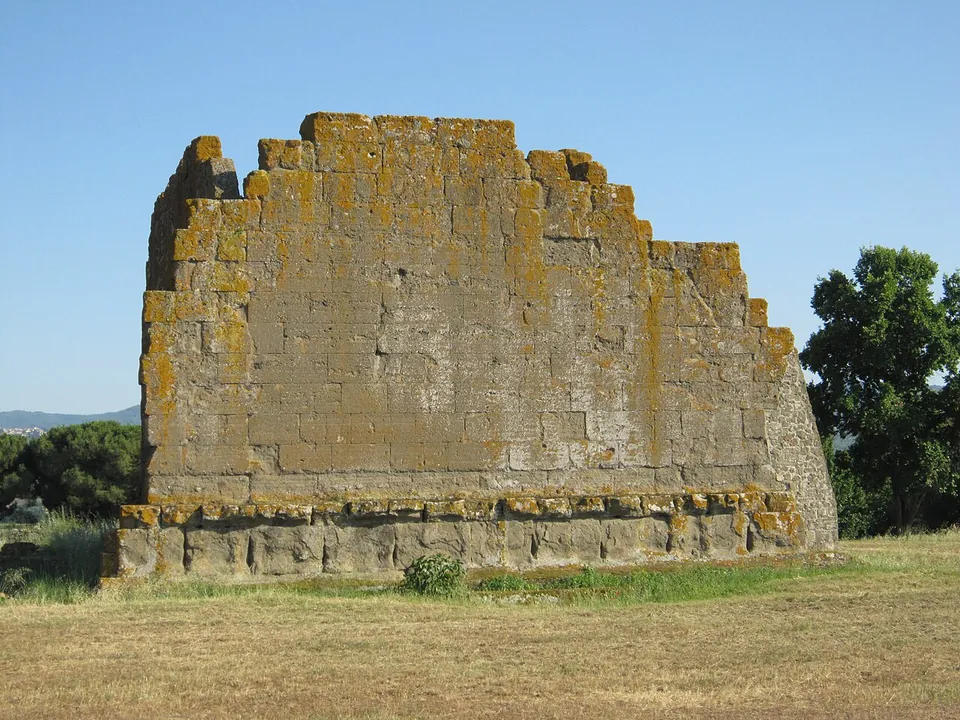
Photo: Carlomorino · CC BY-SA 3.0 · Commons
18 km · city · Lazio
Gabii
The park the state holds covers about 70 hectares on the southern rim of a volcanic crater whose lake was drained in the 19th century (the operator; en.wikipedia).
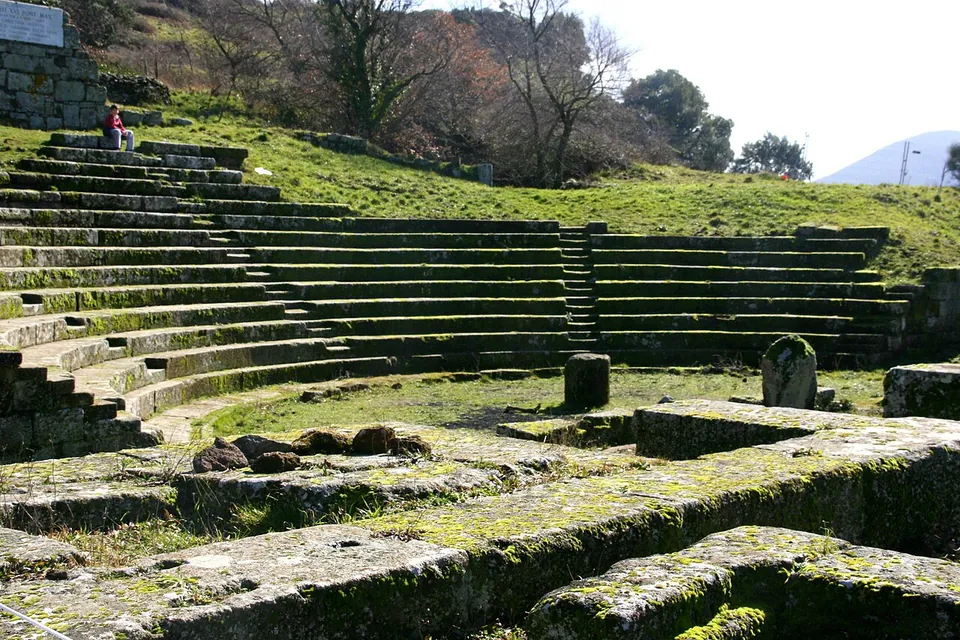
Photo: Luiza Serpa Lopes · Public domain · Commons
18 km · city · Lazio
Tusculum
The visitor route runs mainly through the forum, with the theatre halfway round (the operator).


Straight-line distances.
Sources
Every fact on this page comes from the records below, each used under the licence noted.