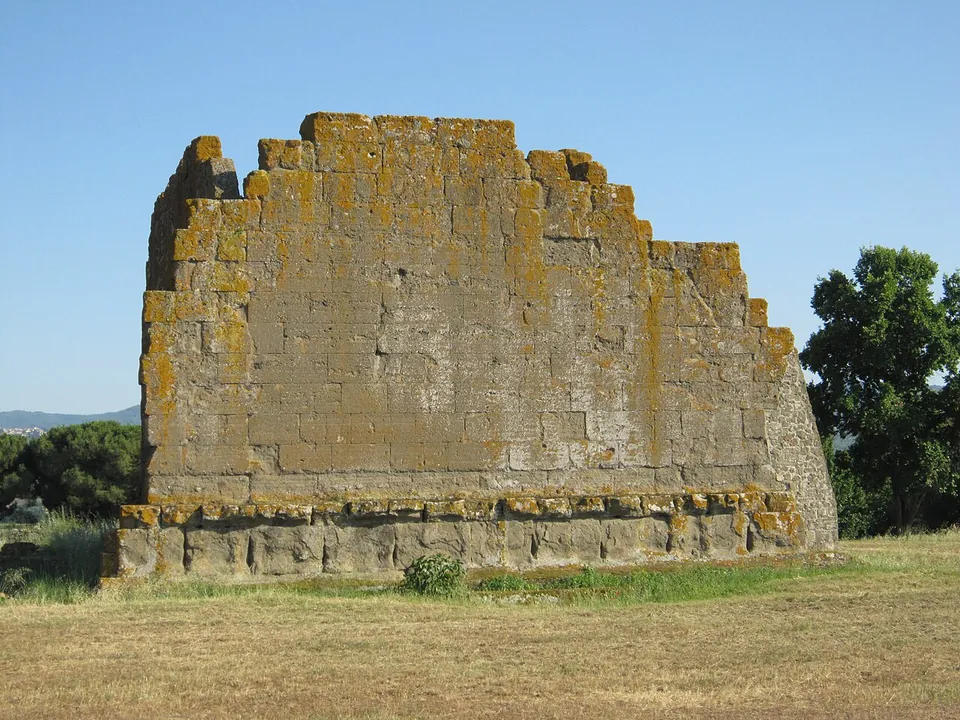
Ancient Rome is not one ruin but a city of them: the capital of the Roman Republic and Empire
(Pleiades), whose remains lie all through modern Italy’s capital, from the Forum and the
Colosseum at its heart to tombs, villas and aqueducts along the roads out, up to about 10 km
away. It is worth the trip without qualification; the real question is what to choose, so
this page sorts the stops by area, and each has its own page. The centre’s one essential ticket
covers the Colosseum, the Forum and the Palatine: €18 for 24 hours, booked for a time slot.
What is there today
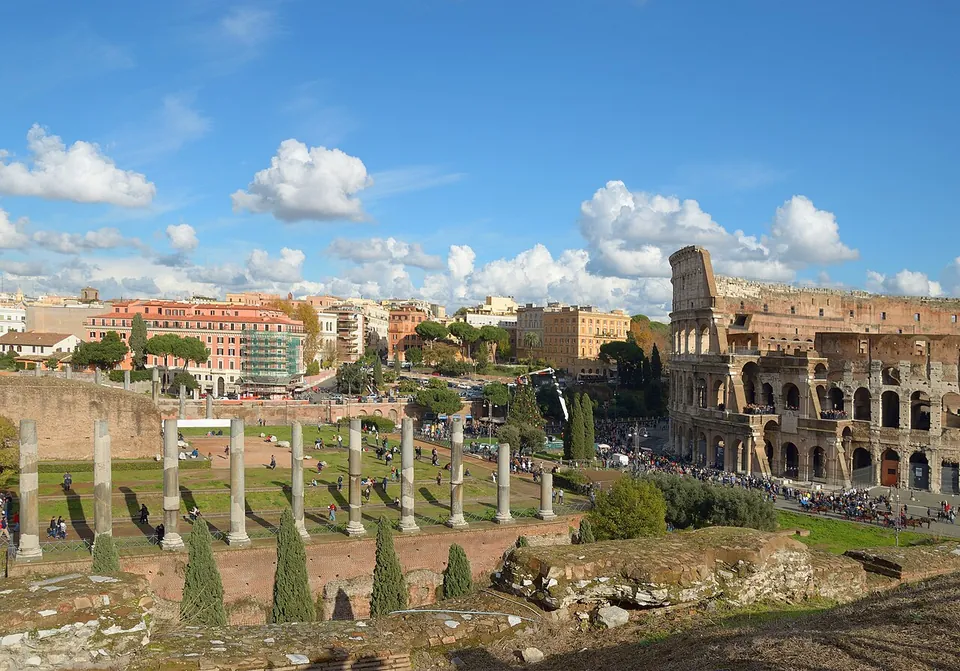
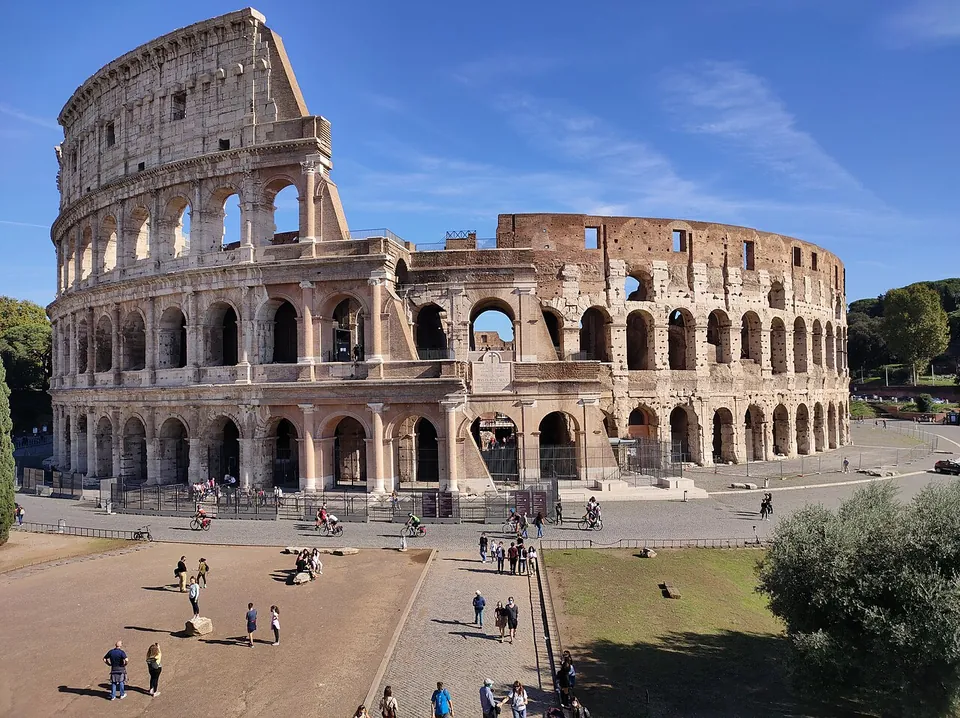
The centre: Colosseum, Forum and Palatine. These three form one archaeological park, on one
ticket. The Colosseum is the largest ancient amphitheatre ever built, begun under Vespasian in
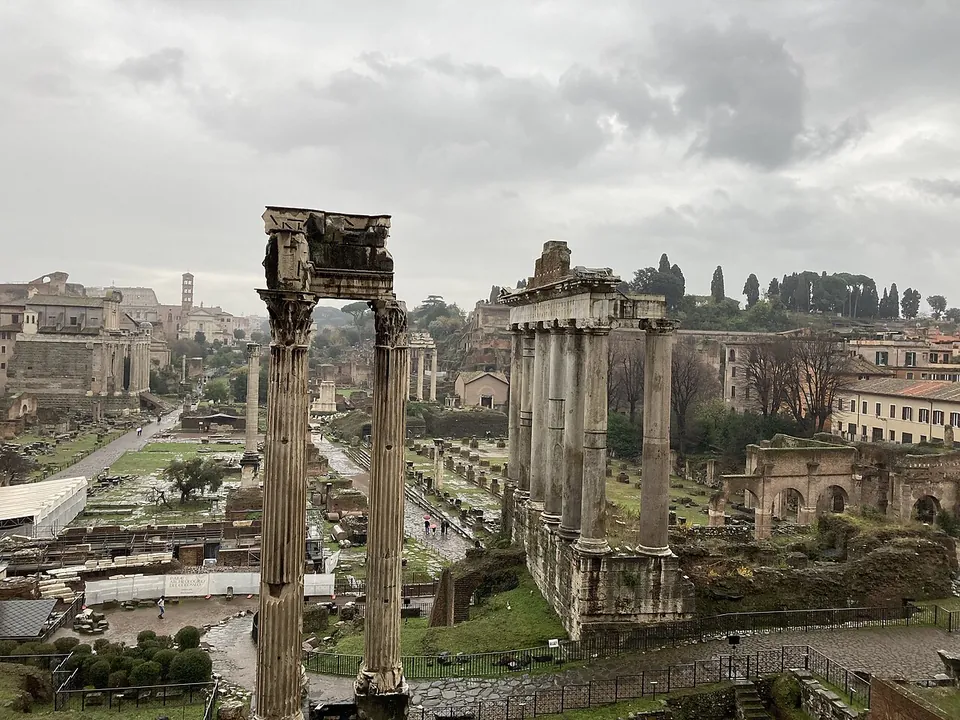
72 and completed under Titus in 80 (en.wikipedia). Beside it, the Roman Forum, for centuries the
centre of the city’s daily life, is today a sprawling ruin of architectural fragments in the
small valley between the Palatine and Capitoline Hills (en.wikipedia). Above it, the Palatine
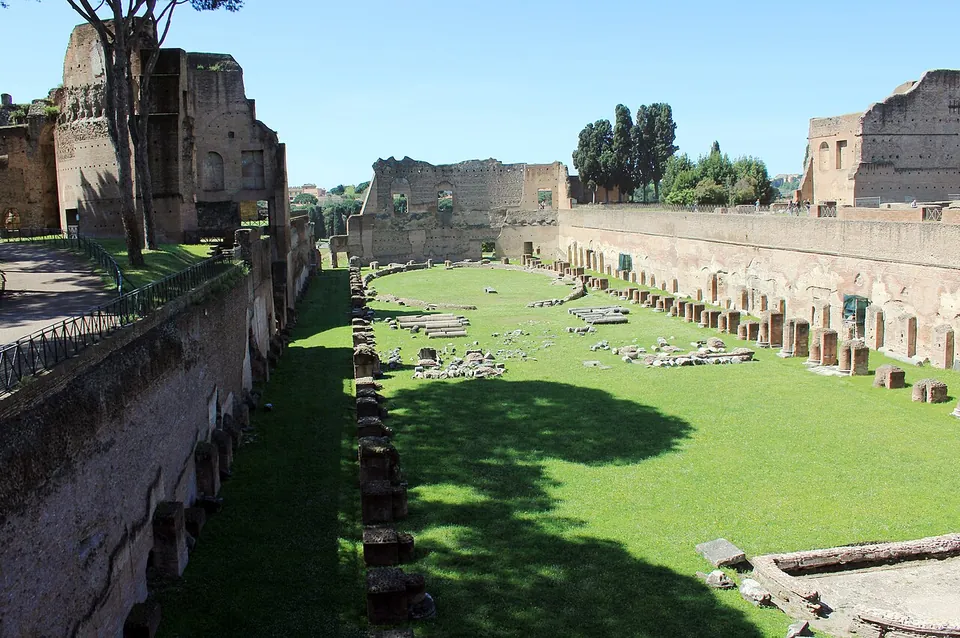
Hill, where the emperors built their palaces from Augustus onwards, is now mainly a large
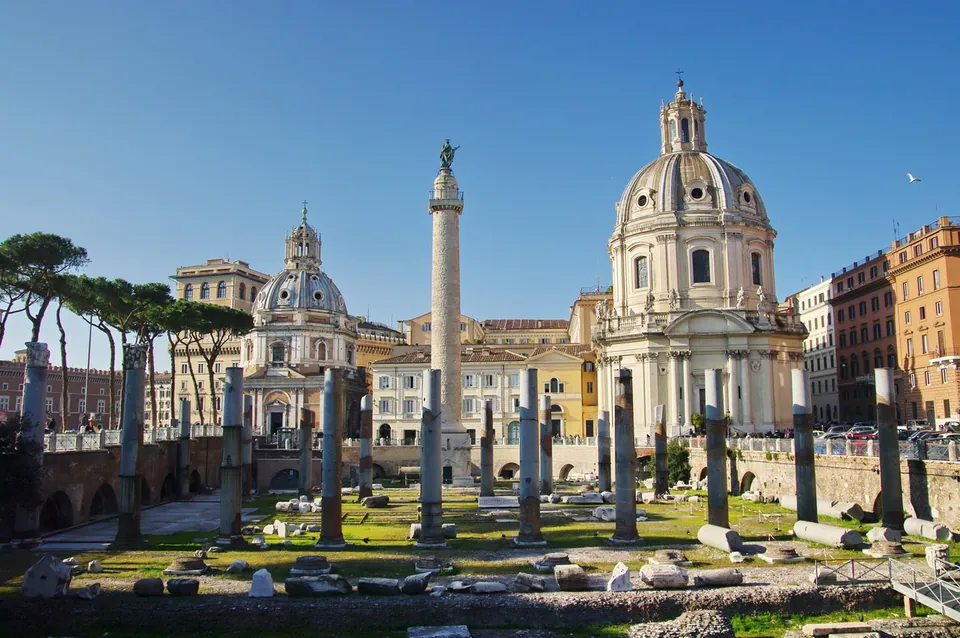
open-air museum, with the Palatine Museum for the finds (en.wikipedia). The Imperial Fora,
built between 46 BC and AD 113, lie close to the Forum, with the Via dei Fori Imperiali that
Mussolini laid across the middle of them (en.wikipedia). On the Capitoline Hill, the foundations
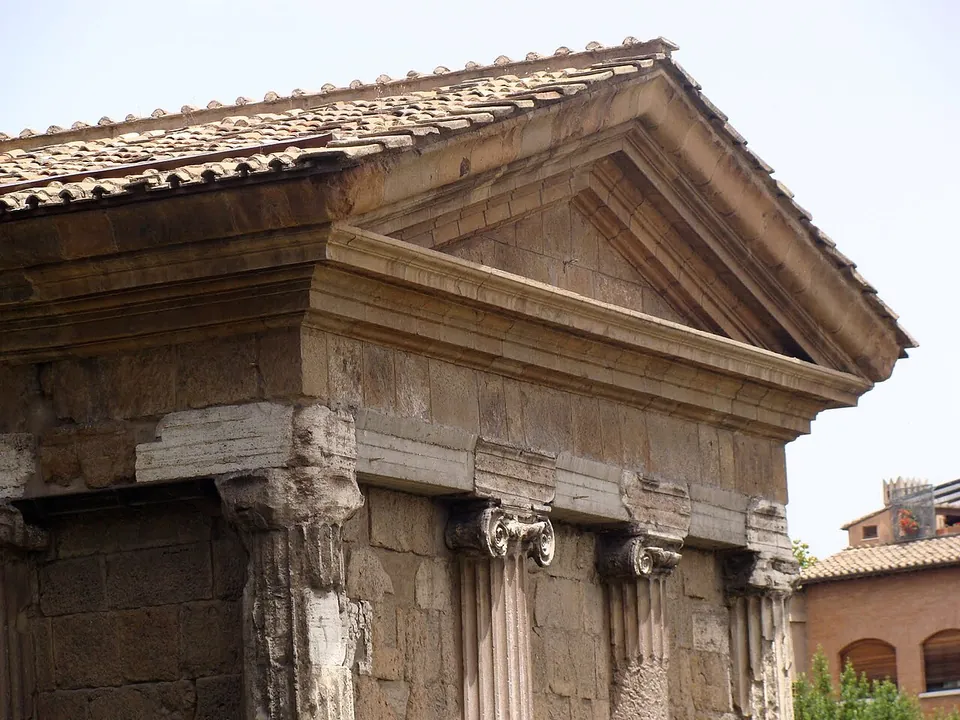
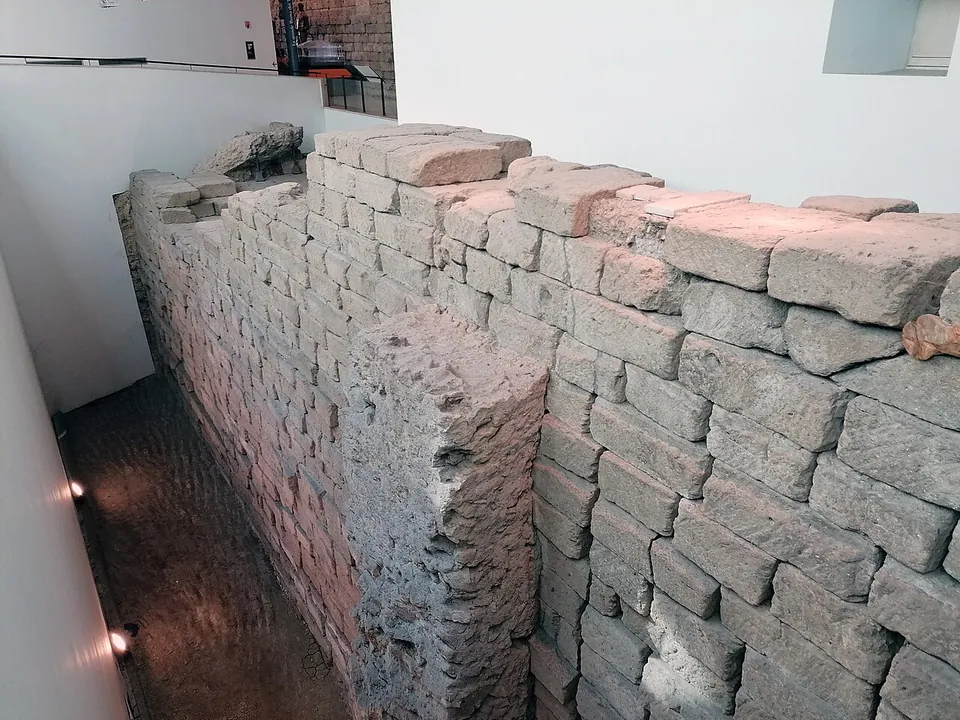
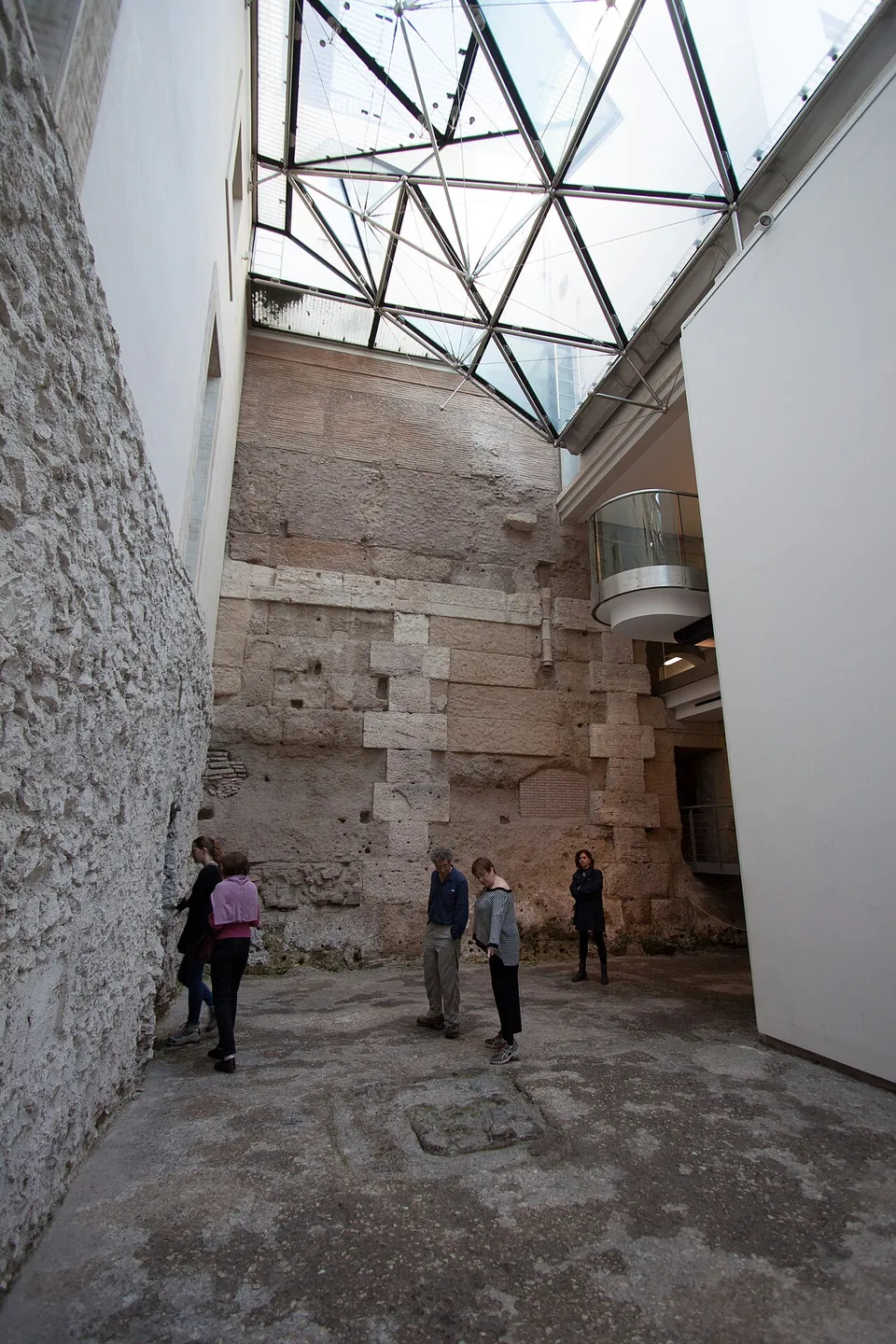
of the Temple of Jupiter Optimus Maximus,
ancient Rome’s most important temple, are shown inside the Capitoline Museums (en.wikipedia;
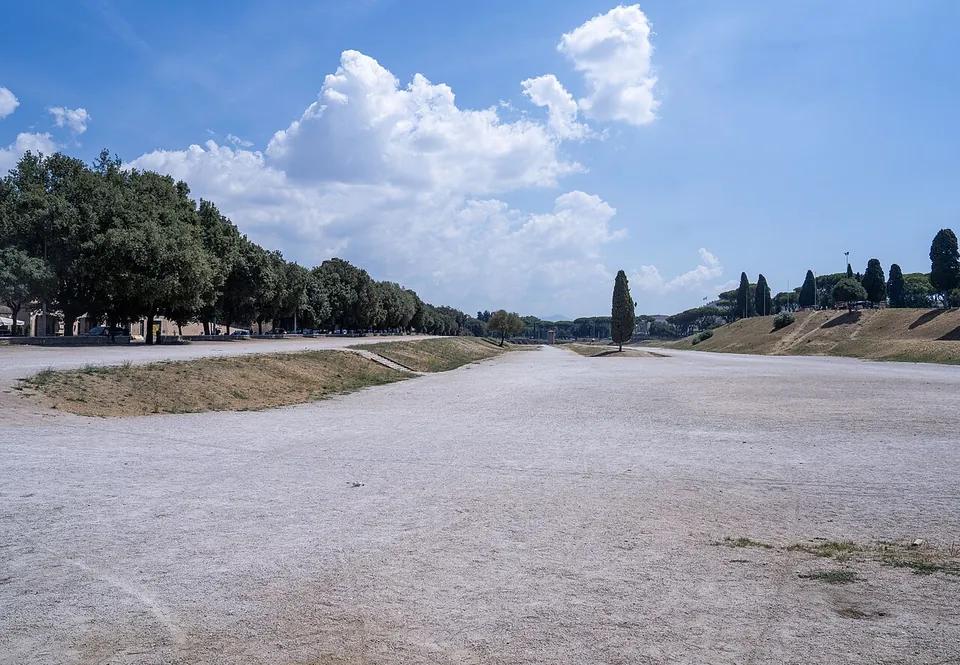
museicapitolini.org). Between the Palatine and the Aventine,
the Circus Maximus, the chariot-racing stadium, 621 m long, is now a public park
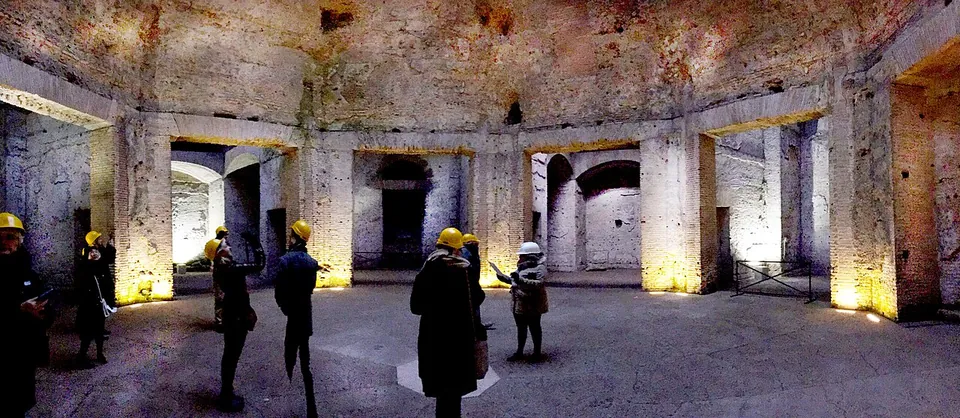
(en.wikipedia). The Domus Aurea, the palace complex Nero built on the Oppian Hill, opens for
timed visits on Fridays, Saturdays and Sundays (colosseo.it).
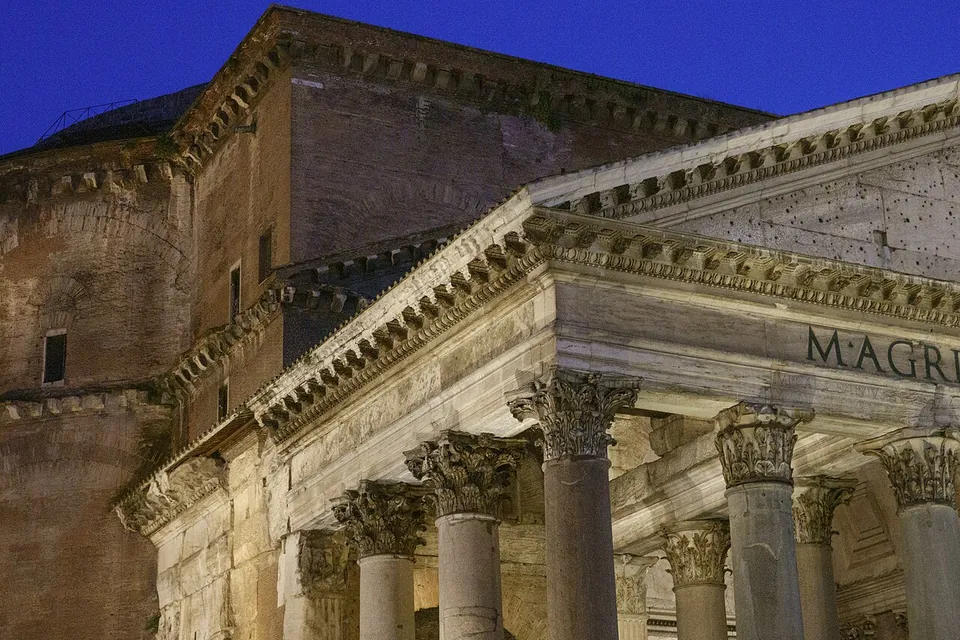
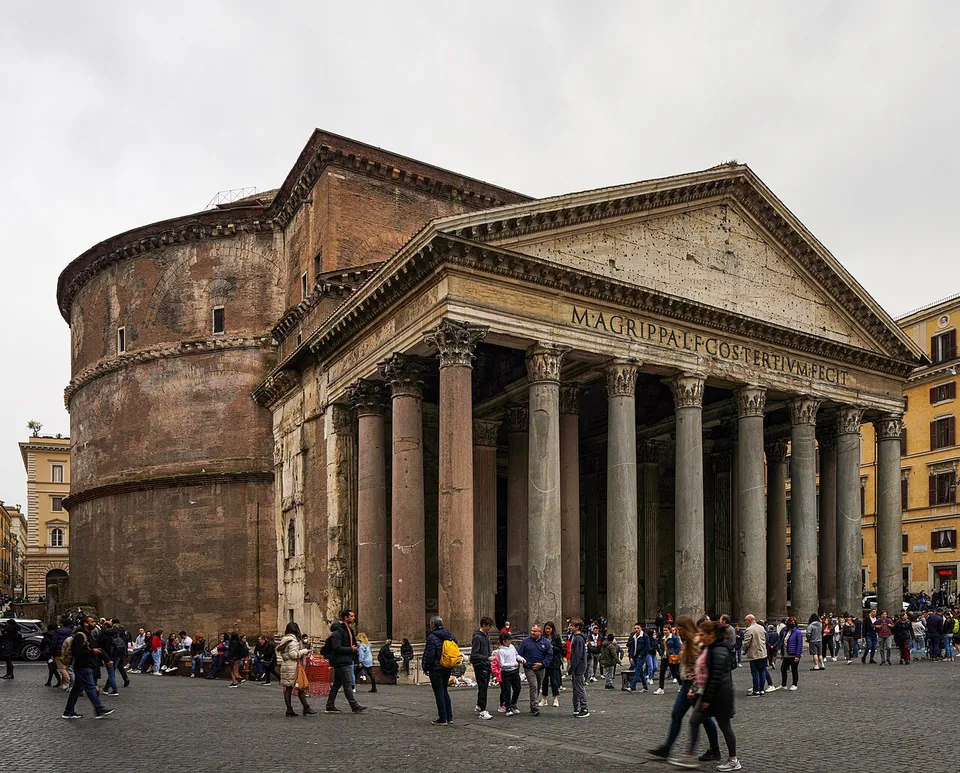
The Campus Martius, among the streets. The Pantheon, rebuilt under Hadrian and probably
dedicated about AD 126, is one of the best-preserved of all Roman buildings, largely because
it has been in use ever since; its dome is still the world’s largest unreinforced concrete
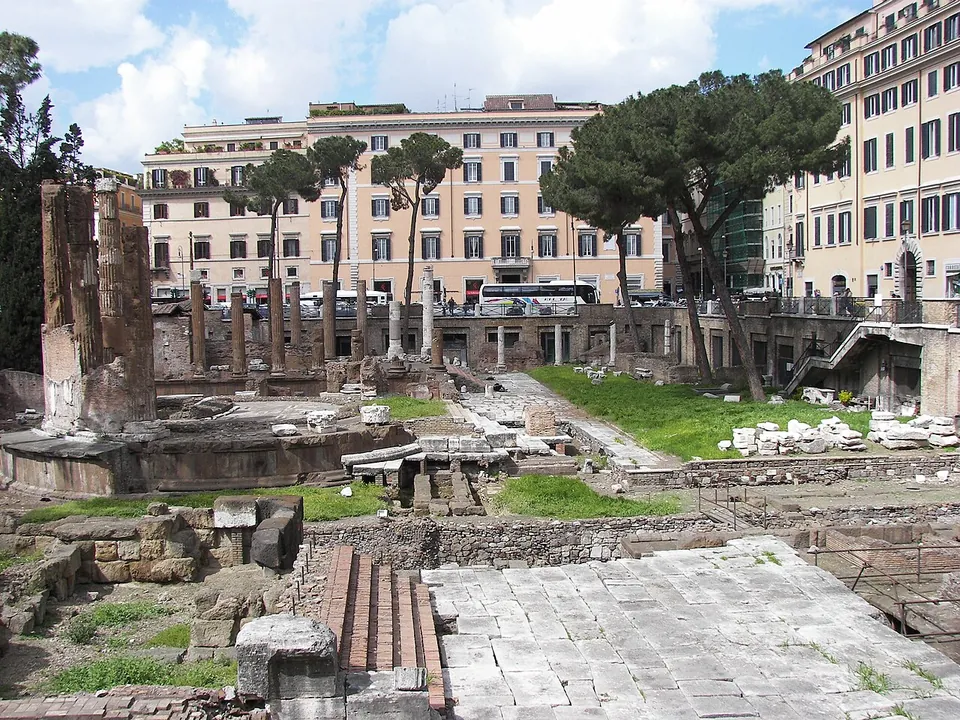
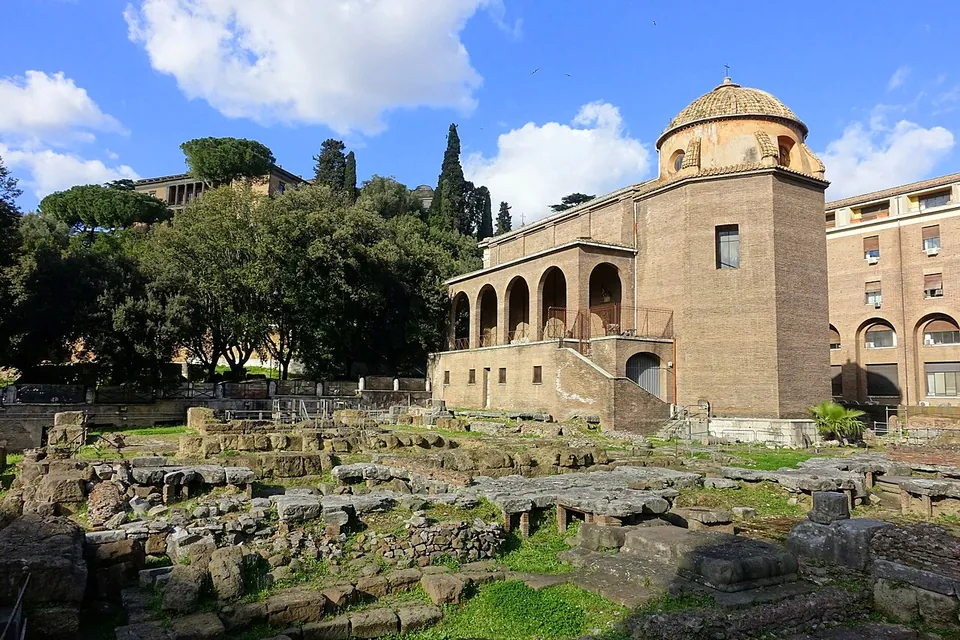
dome, and it has been a church since 609 (en.wikipedia). About 400 m south, Largo di Torre
Argentina is an open square around four Republican temples and part of Pompey’s Theatre; the
spot where Julius Caesar is believed to have been killed, in the Curia of Pompey, is within
it (en.wikipedia). West of the Pantheon, Piazza Navona follows the outline of the
Stadium of Domitian, dedicated in AD 86 and used almost
entirely for athletic contests (en.wikipedia); the excavated part of its north end, below the
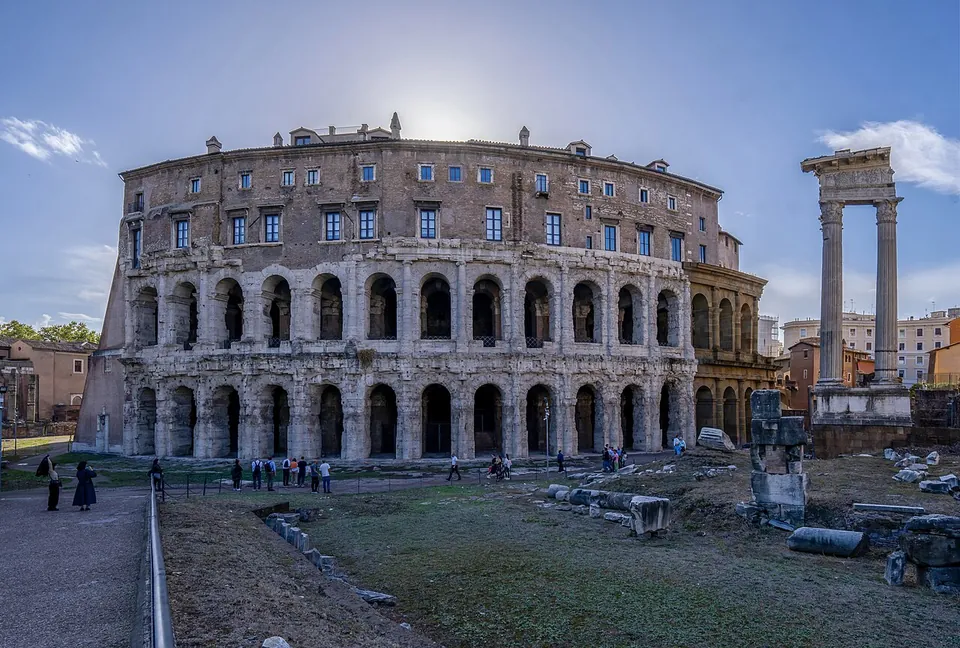
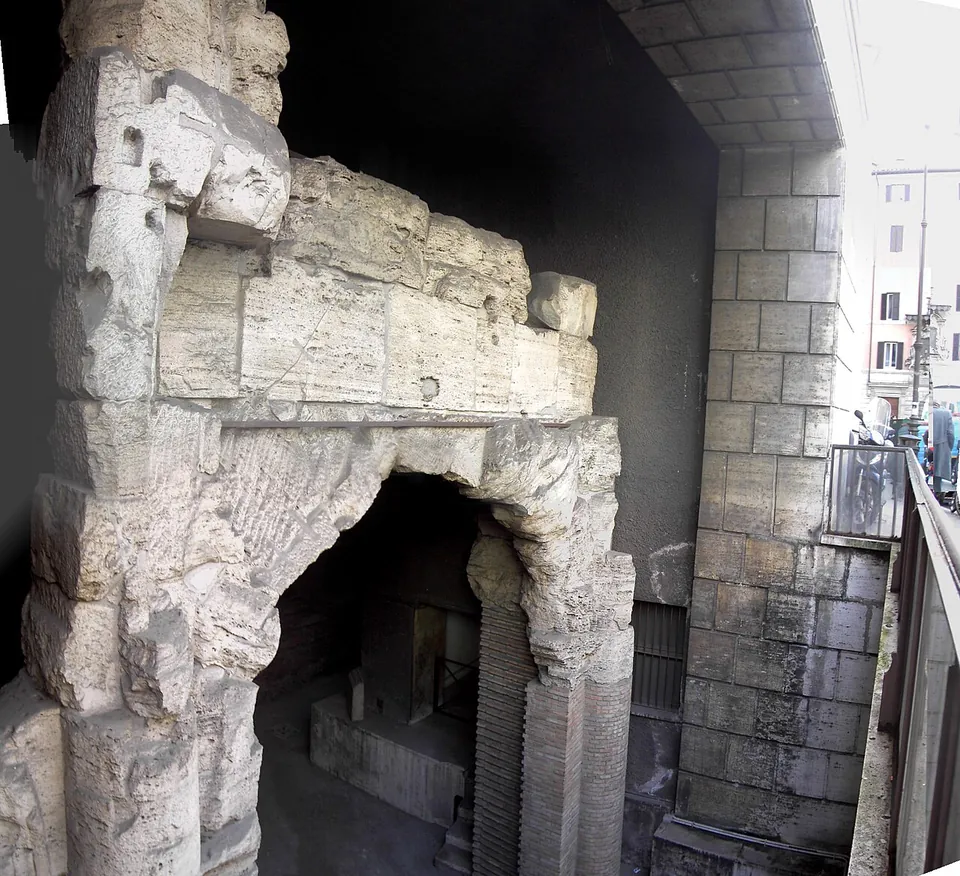
street, is closed for restoration, with no reopening date published (Turismo Roma). The Theatre of Marcellus, from the last years of the Republic, was turned
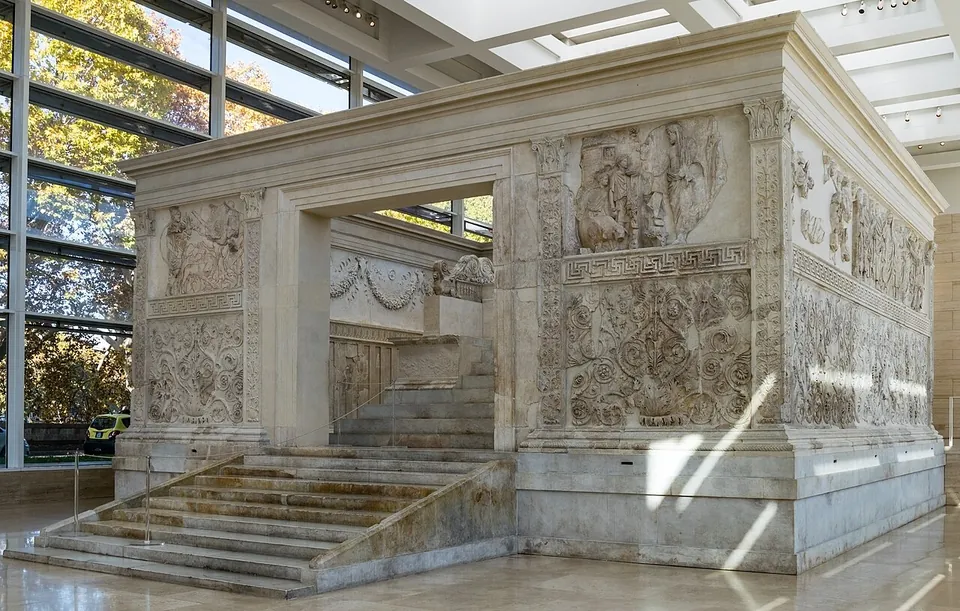
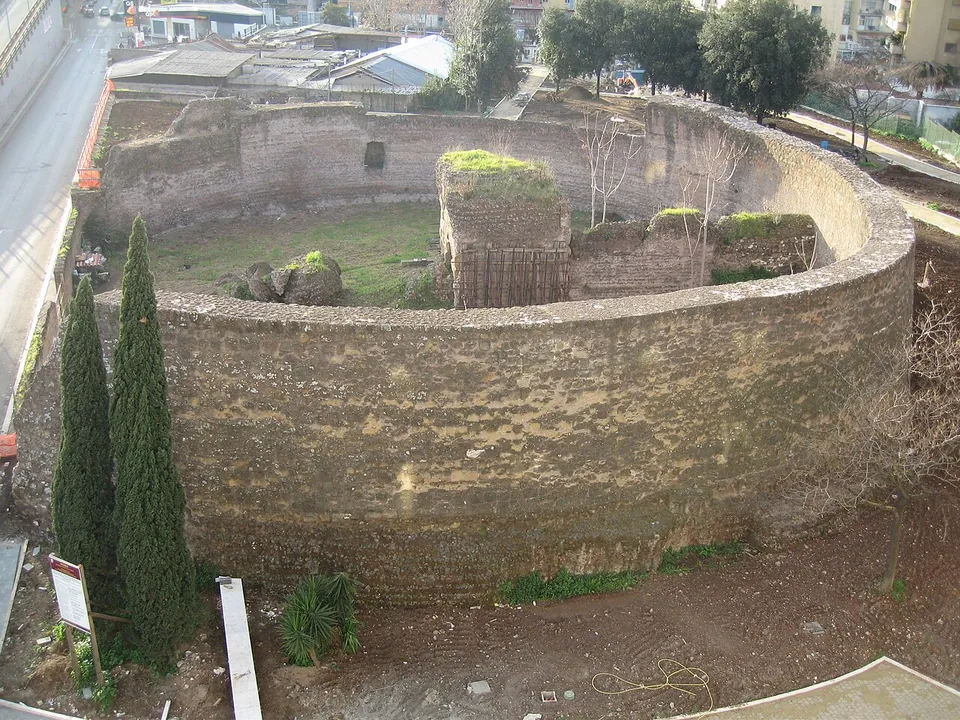
into a palazzo in the 16th century (en.wikipedia). Further north, the Ara Pacis, the altar the
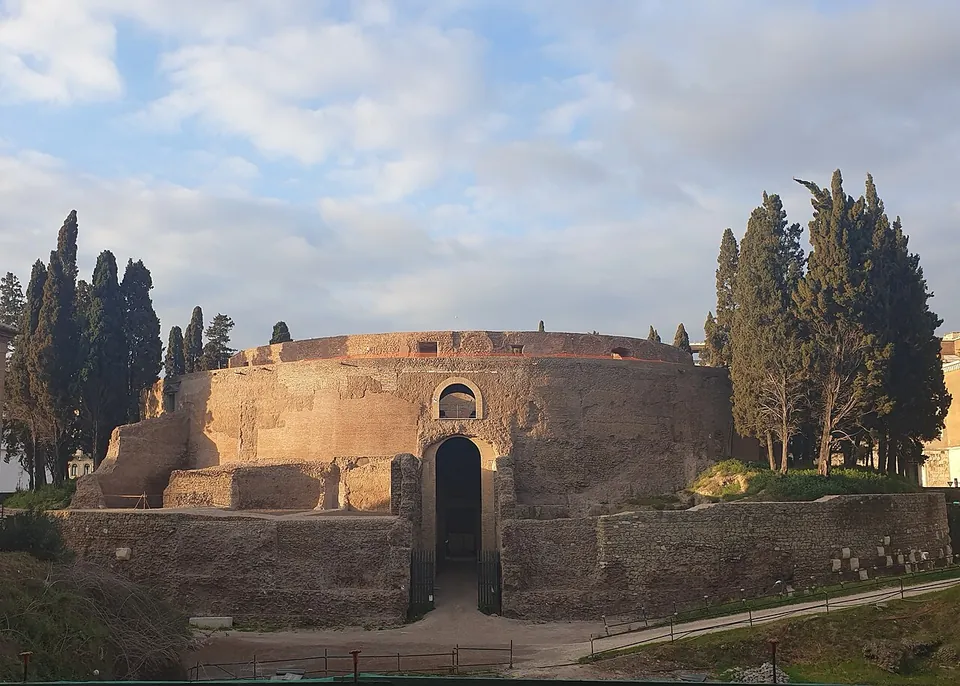
Senate dedicated to Augustan peace, was reassembled in its own museum in 1938, and the Mausoleum of Augustus beside
it has been closed since June 2022; the square round it reopened in June 2025, but the mausoleum stays closed for its own final works (Sovrintendenza Capitolina). North-west of
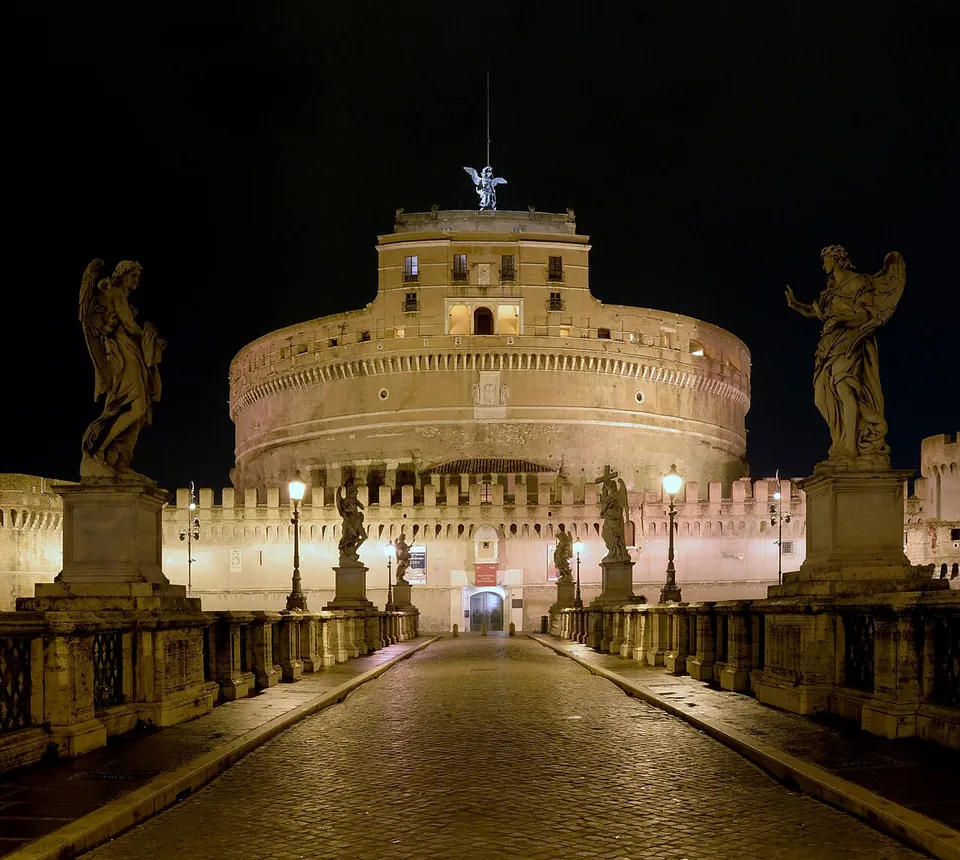
the Pantheon, Castel Sant’Angelo began as Hadrian’s mausoleum, became a papal fortress and is now a
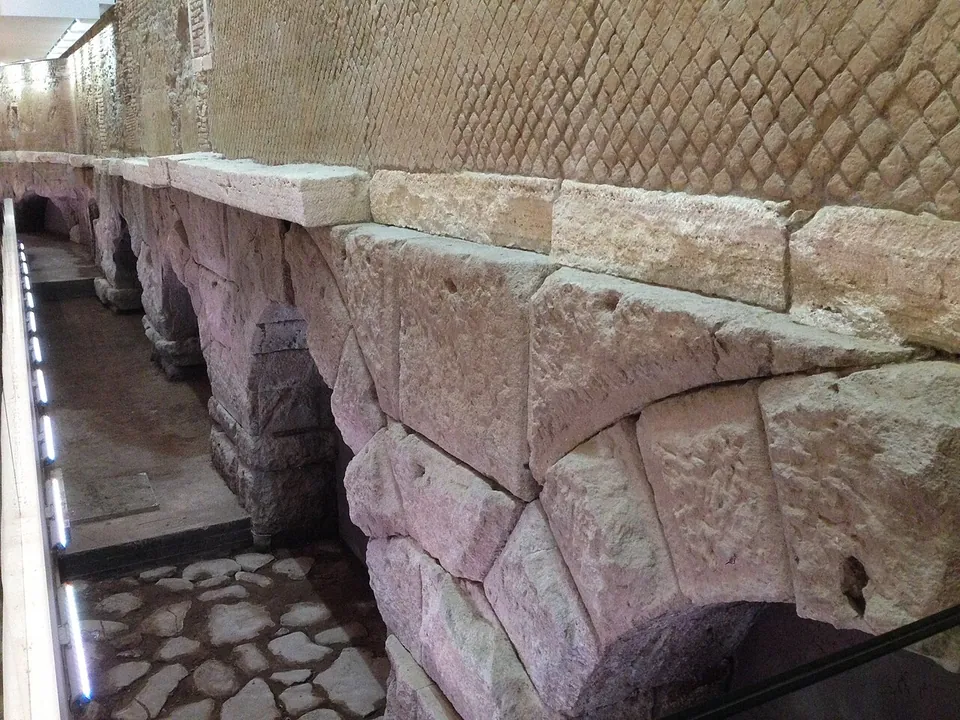
museum (en.wikipedia). In the Trevi district, remains of the Aqua Virgo, the aqueduct Agrippa
opened in 19 BC, can be seen in Via del Nazareno and inside the Rinascente department store on Via
del Tritone. It is the only one of ancient Rome’s eleven main aqueducts still in use, and the
Trevi Fountain is its modern terminal display (Sovrintendenza Capitolina).
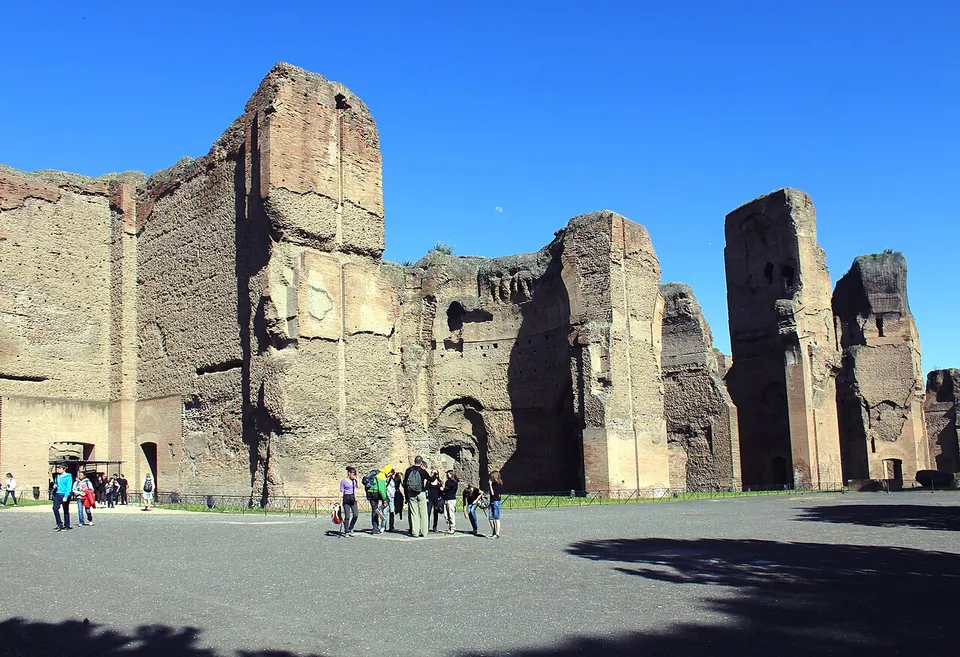
The great baths. The Baths of Caracalla, built between about 212 and 217 and in use until
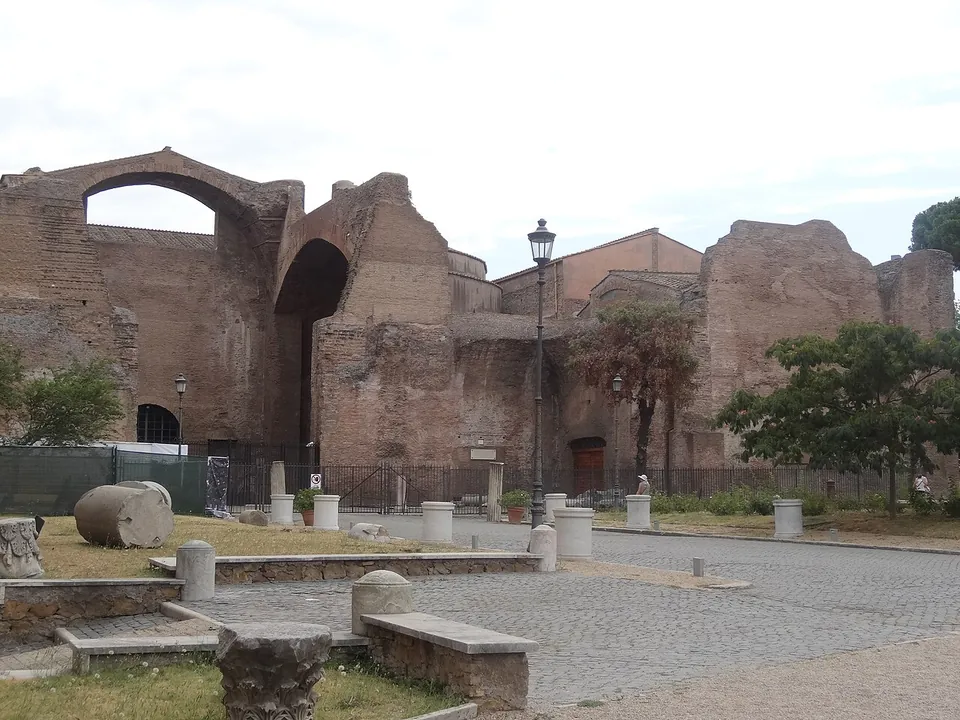
the 530s, were the city’s second-largest public baths (en.wikipedia). The Baths of Diocletian,
built 298–306, were the largest of the imperial baths; a 16th-century church, Santa Maria degli Angeli e dei
Martiri, and part of the National Roman Museum now stand within their ruins (en.wikipedia).
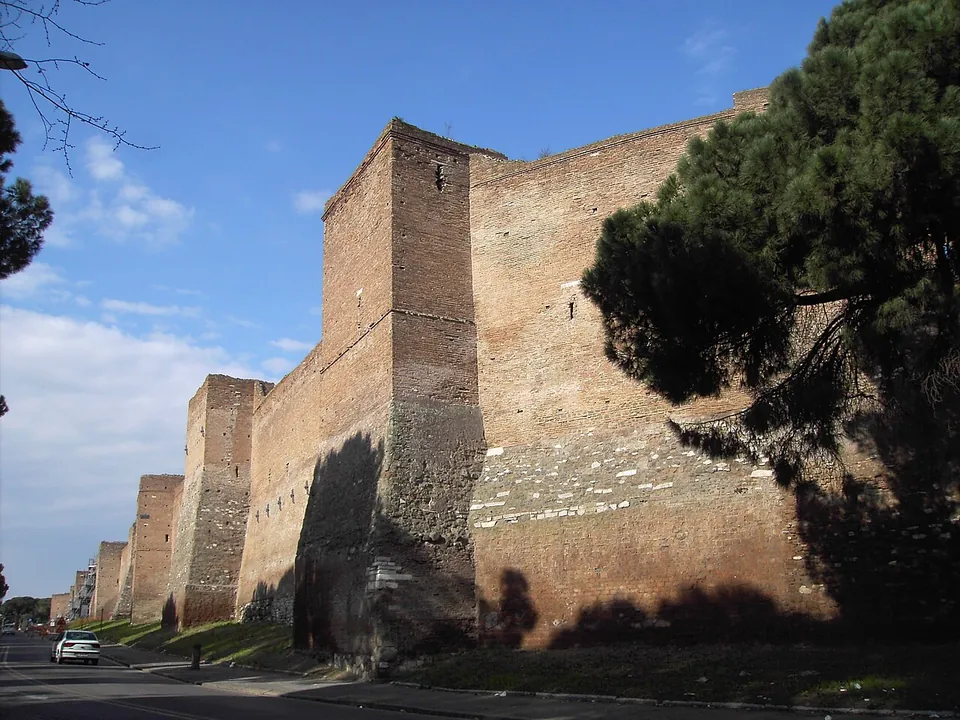
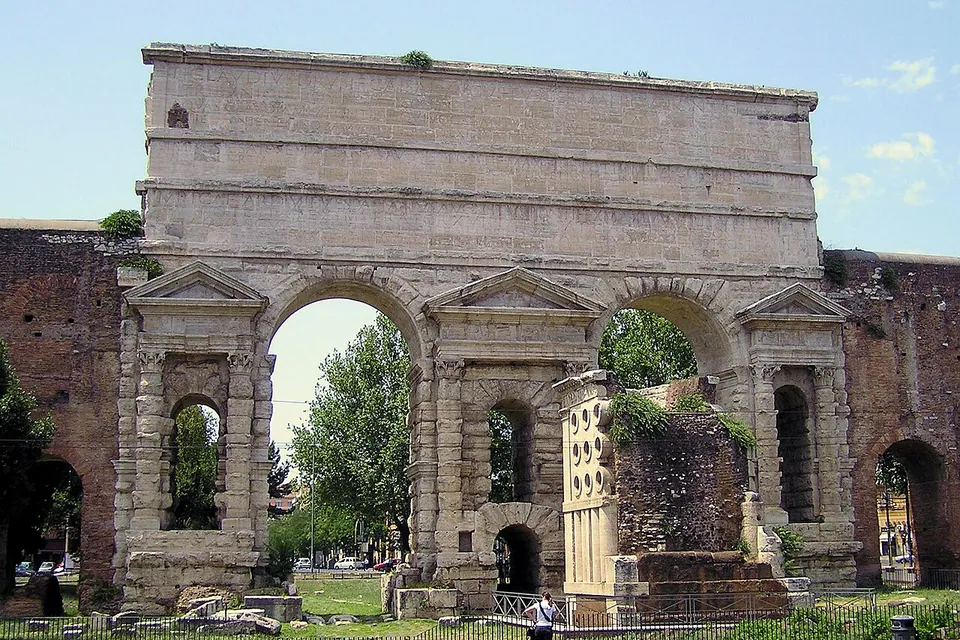
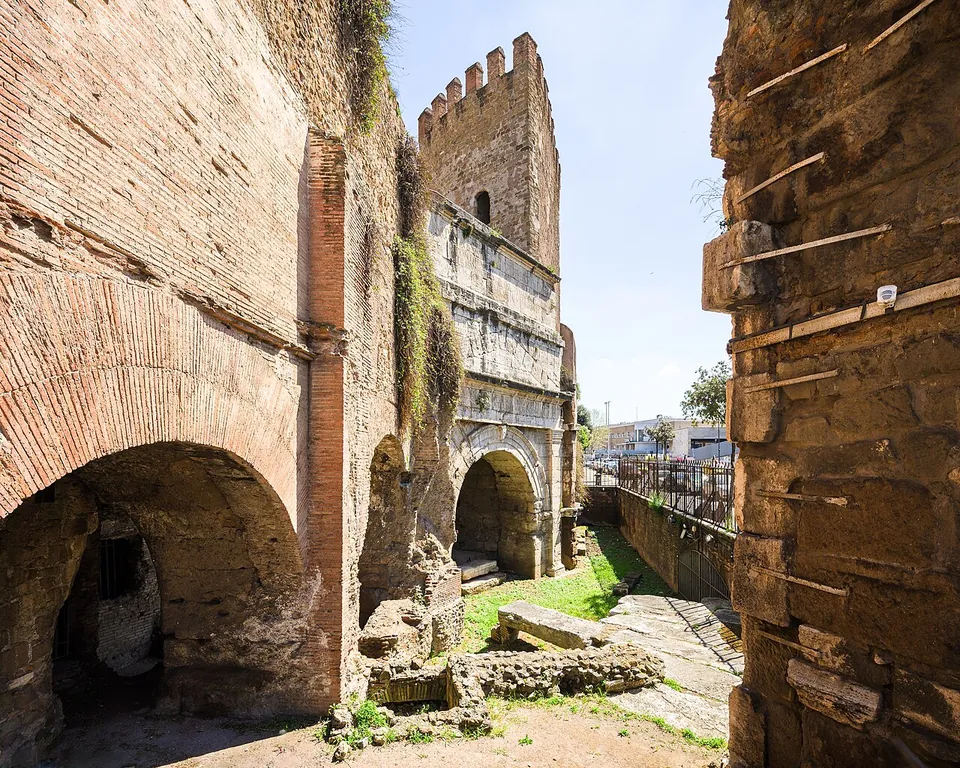
Walls and gates. The Aurelian Walls, built between 271 and 275, still mark the edge of the
historic centre (en.wikipedia; it.wikipedia). Porta Maggiore is one of their eastern gates, where
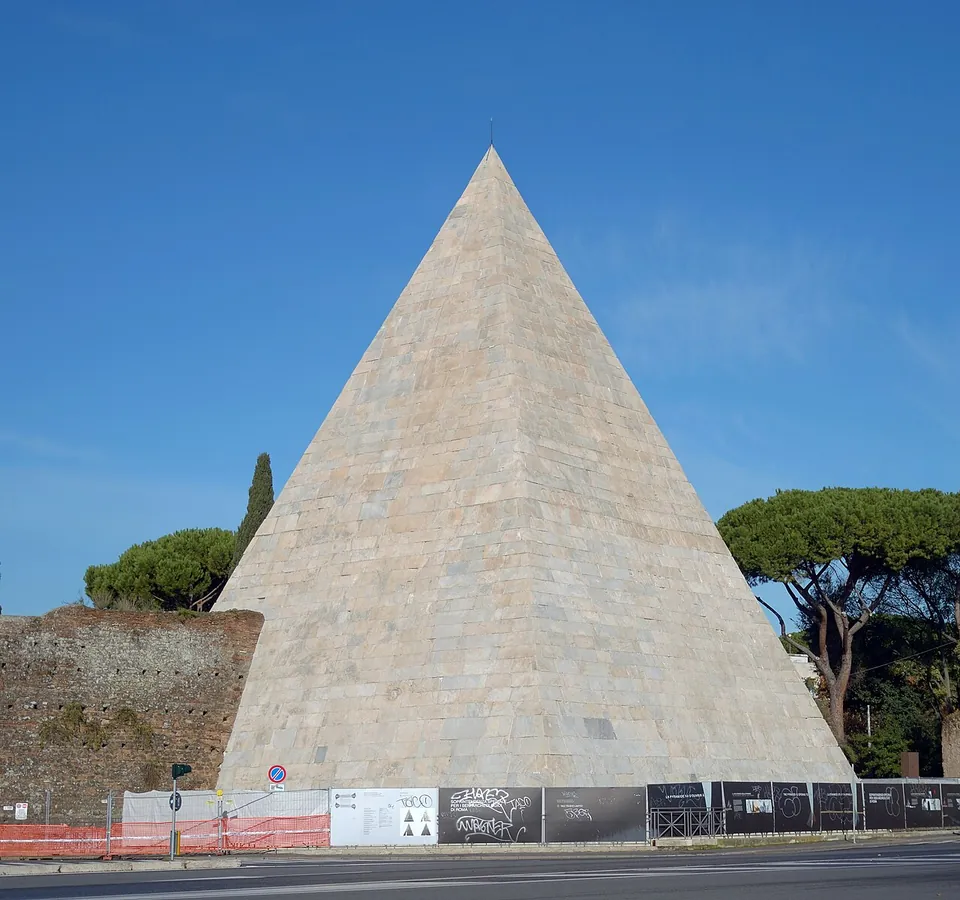
two ancient roads left the city, and the Pyramid of Cestius, a Roman tomb in the style of the
Nubian pyramids, is one of the best-preserved ancient buildings in Rome because it was built
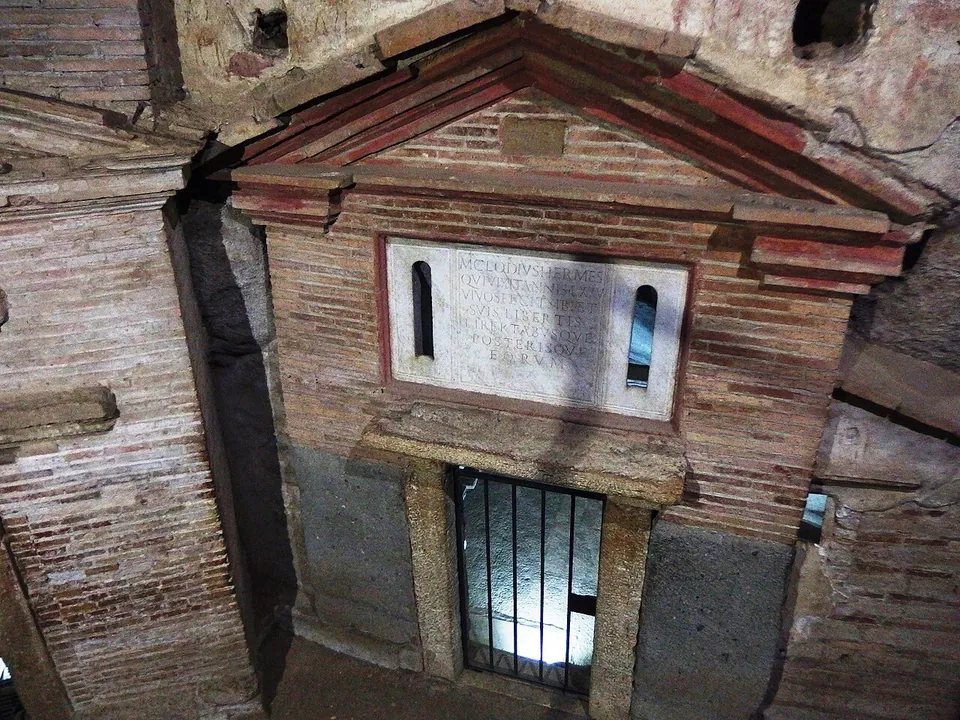
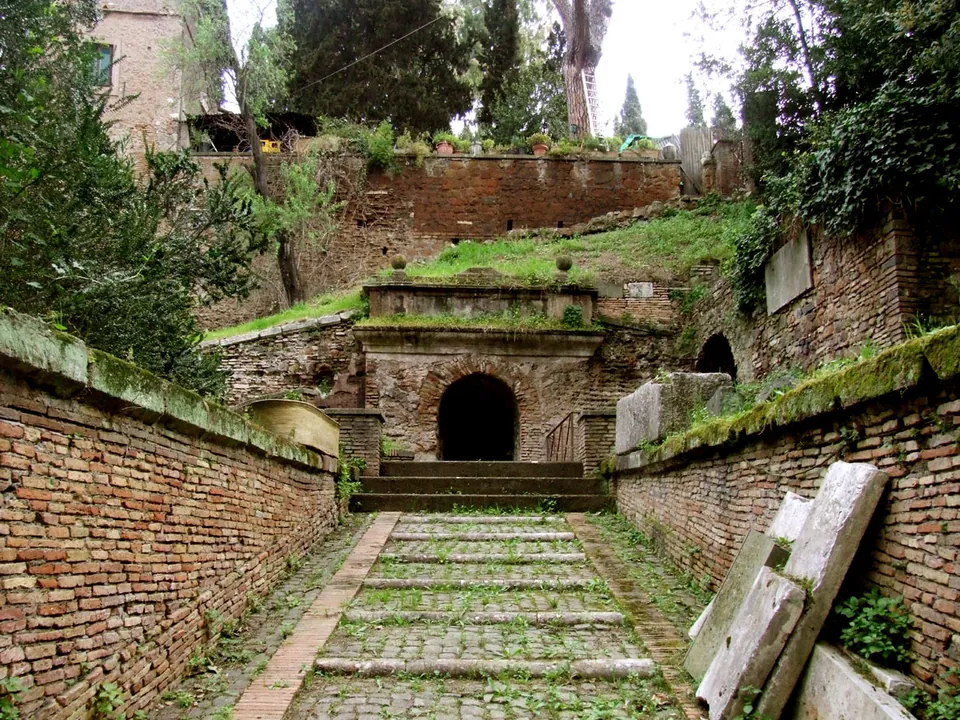
into the fortifications (en.wikipedia). Just outside Porta Maggiore, the
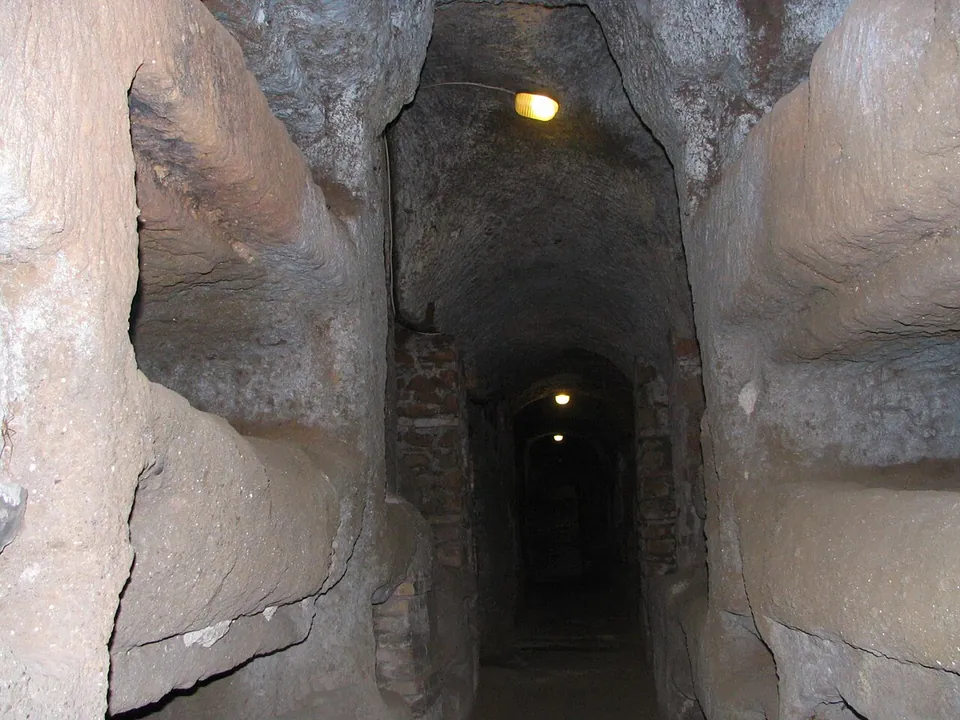
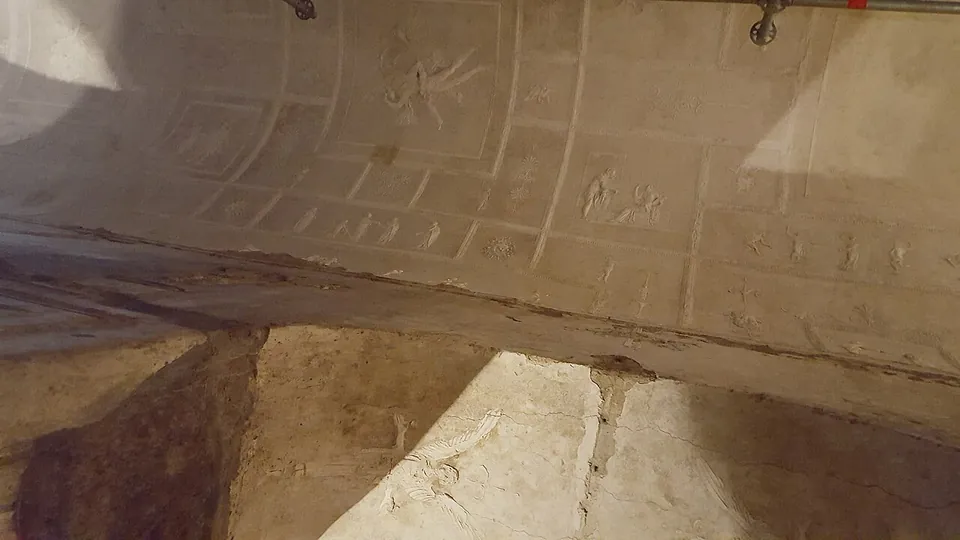
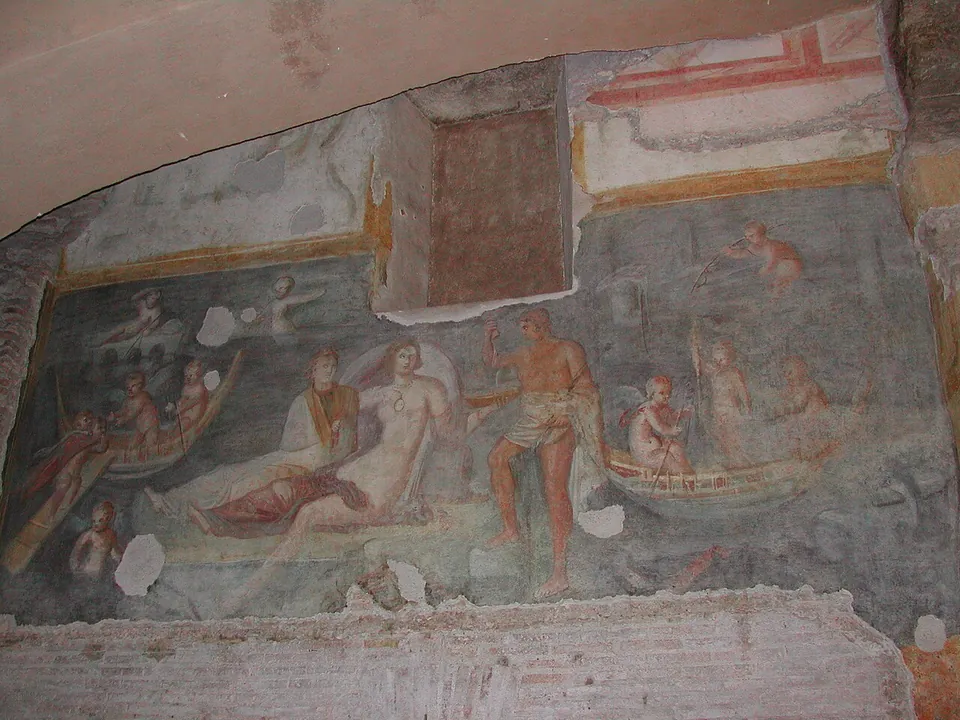
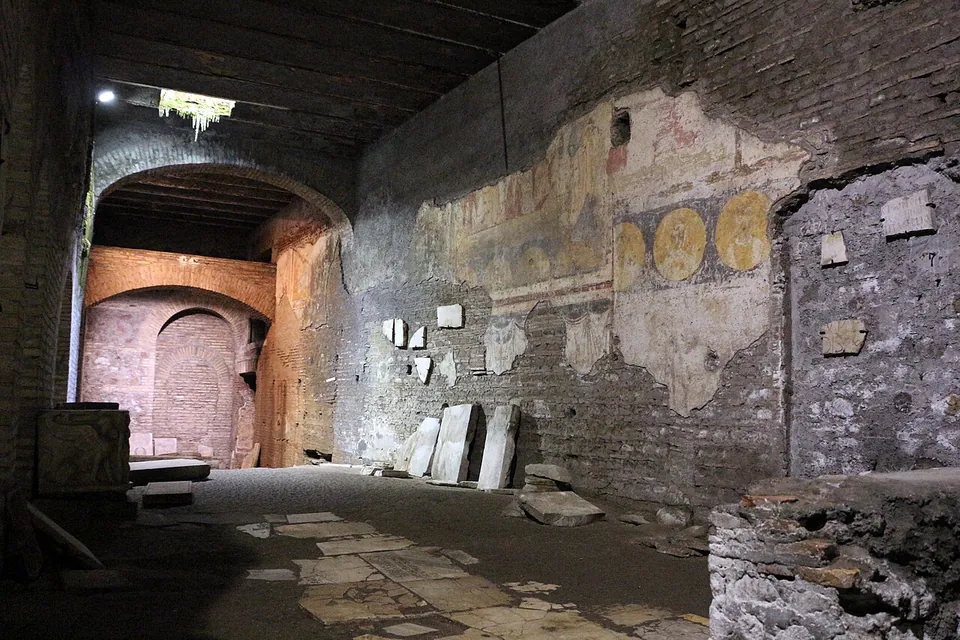
Underground basilica of Porta Maggiore is
a hall of the 1st century AD below the street, with three aisles, an apse and stucco reliefs of
mythological scenes; it can be seen only on visits booked in advance (Ministry of Culture). About
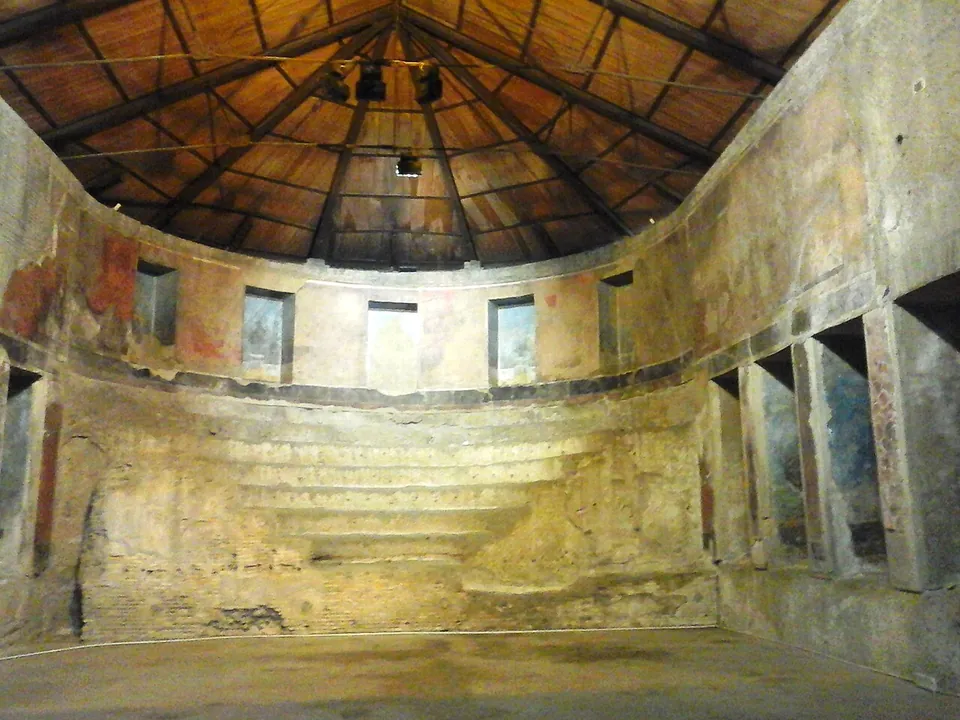
500 m to the south, by the church of Santa Croce in Gerusalemme, the
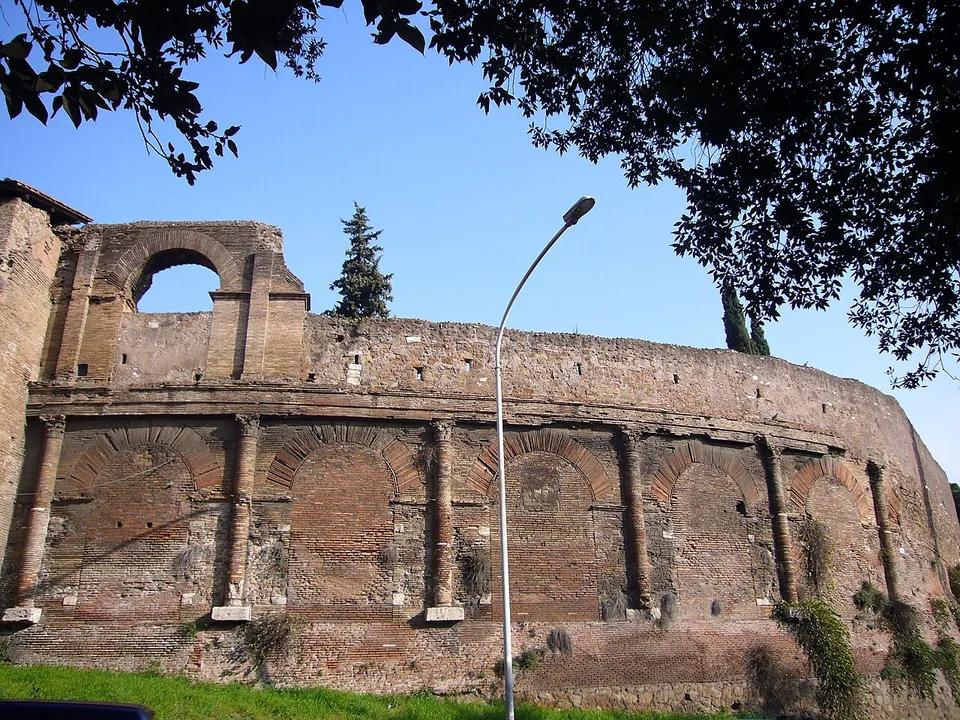
Amphitheatrum Castrense, built in the early 3rd century as
part of an imperial villa and later walled into the Aurelian Walls, is the only amphitheatre in
the city besides the Colosseum of which anything survives (en.wikipedia; de.wikipedia). The remains
of the imperial palace around the church, the Sessorium, are on its page; they are opened only
for booked guided visits (Ministry of Culture).
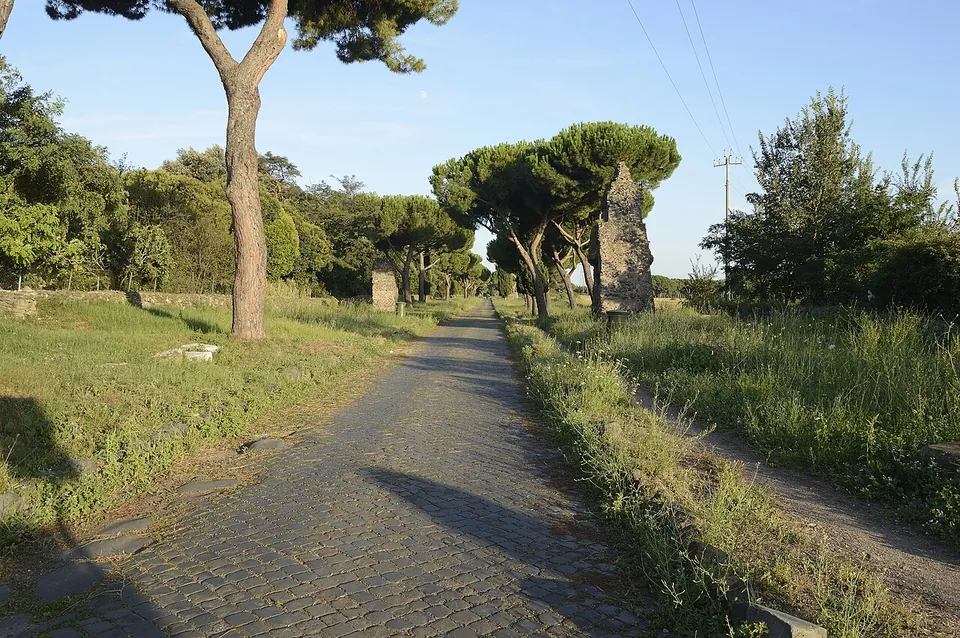
The Appian Way and the edge of the city. The Appian Way, begun in 312 BC and on UNESCO’s
World Heritage List since 2024, ran from Rome to Brindisi (en.wikipedia). Along it, 4 to 9 km
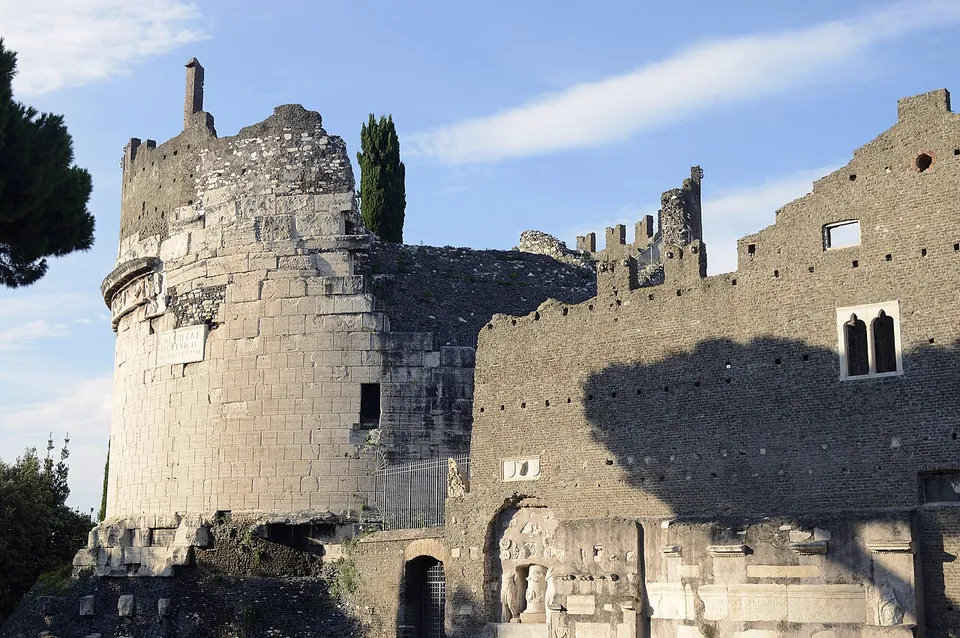
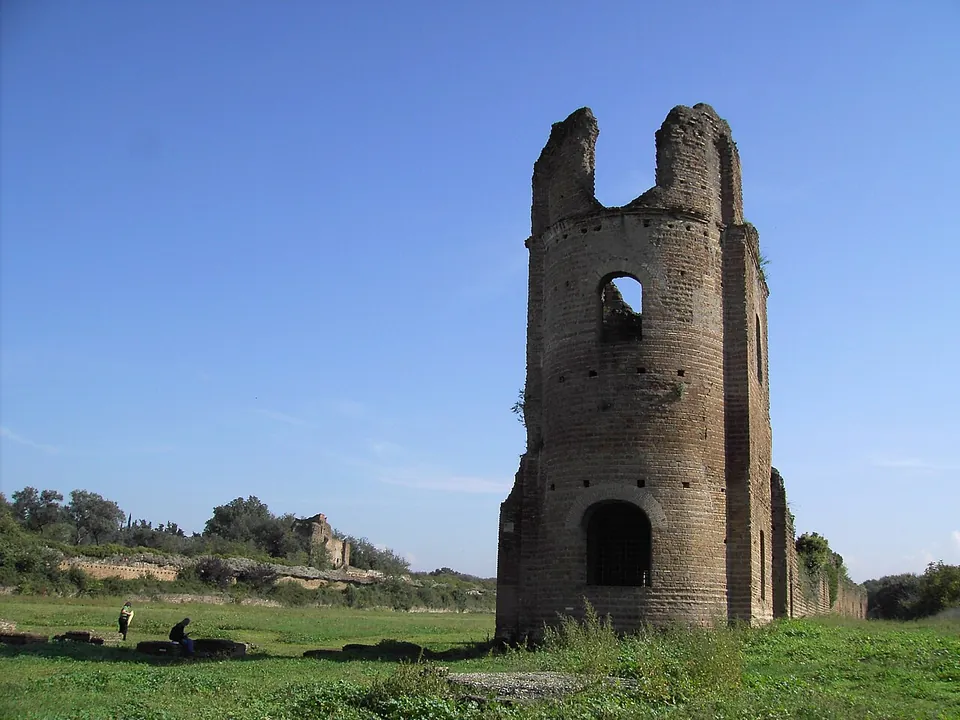
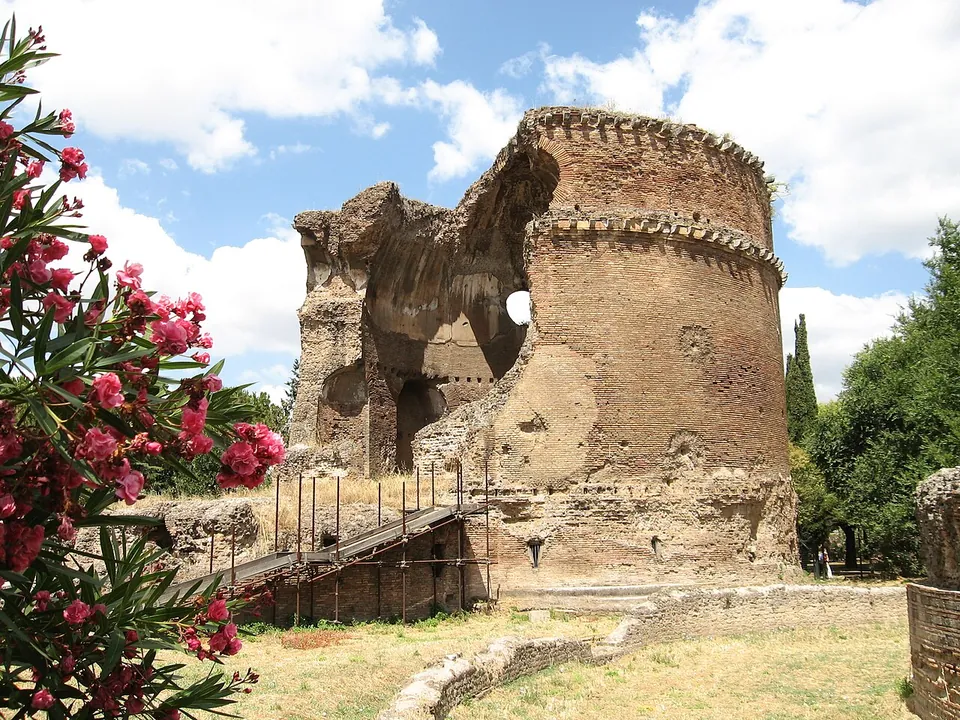
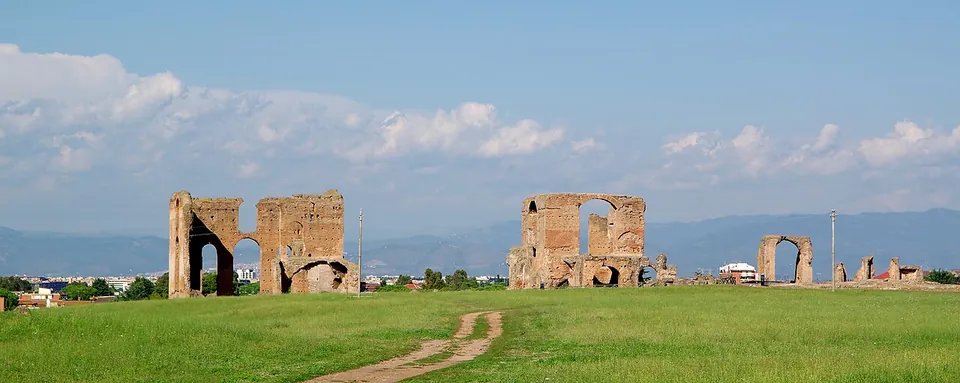
from the Forum, are the Catacomb of Callixtus with its Crypt of the Popes; the Villa of Maxentius, with its palace, circus and dynastic
mausoleum; the Tomb of Caecilia Metella at the third mile; and, beyond the fifth milestone, the
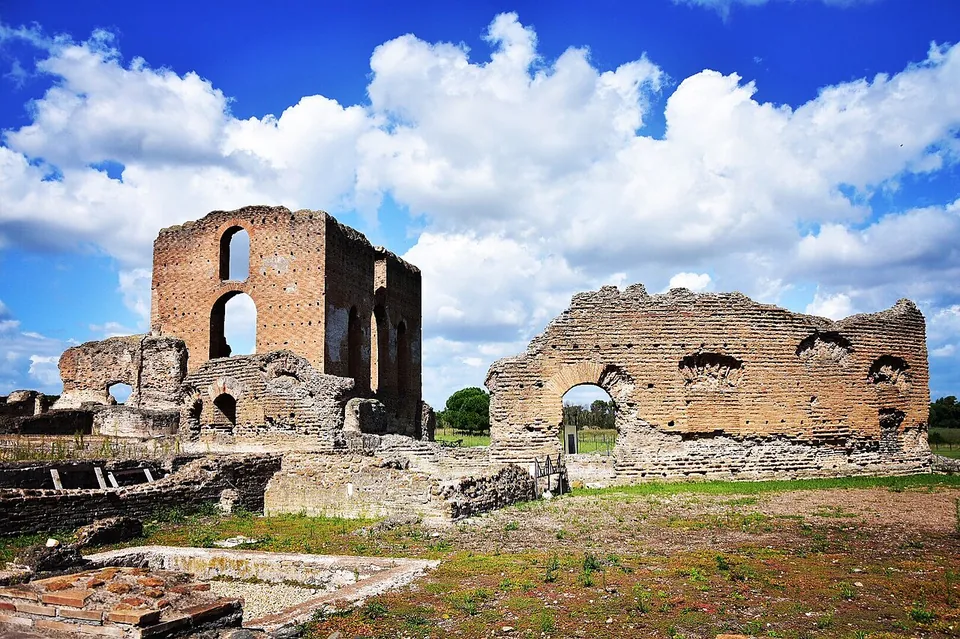
Villa of the Quintilii, whose ruins spread so far that locals called the site “Roma Vecchia”,
Old Rome (en.wikipedia). Near the Catacomb of Callixtus are San Sebastiano, a basilica built
over the catacombs of St Sebastian, and the Catacombs of Domitilla, the only catacombs in Rome
with an underground basilica (en.wikipedia). Further east, about 5 km from the Forum, the
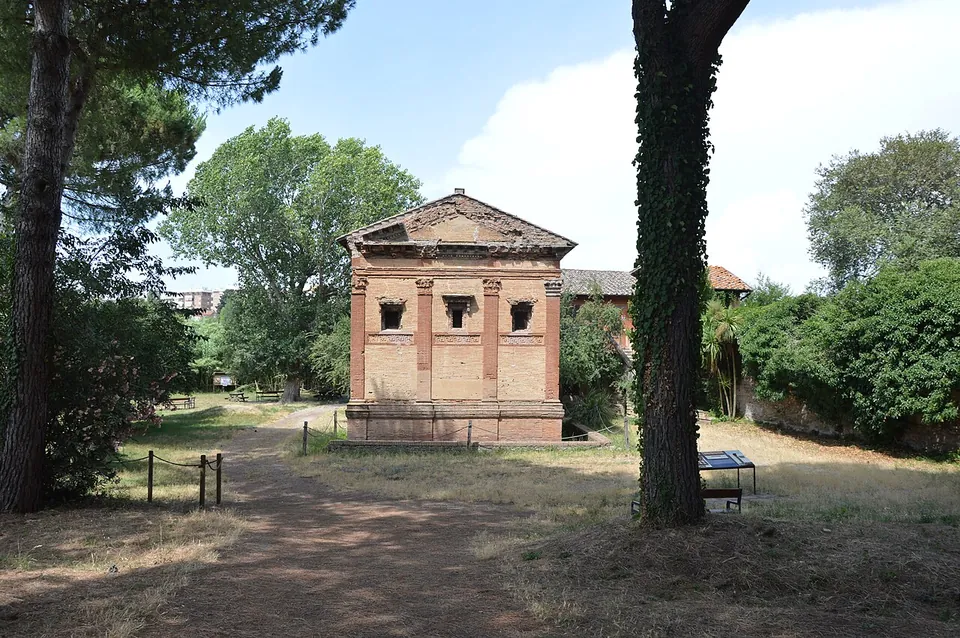
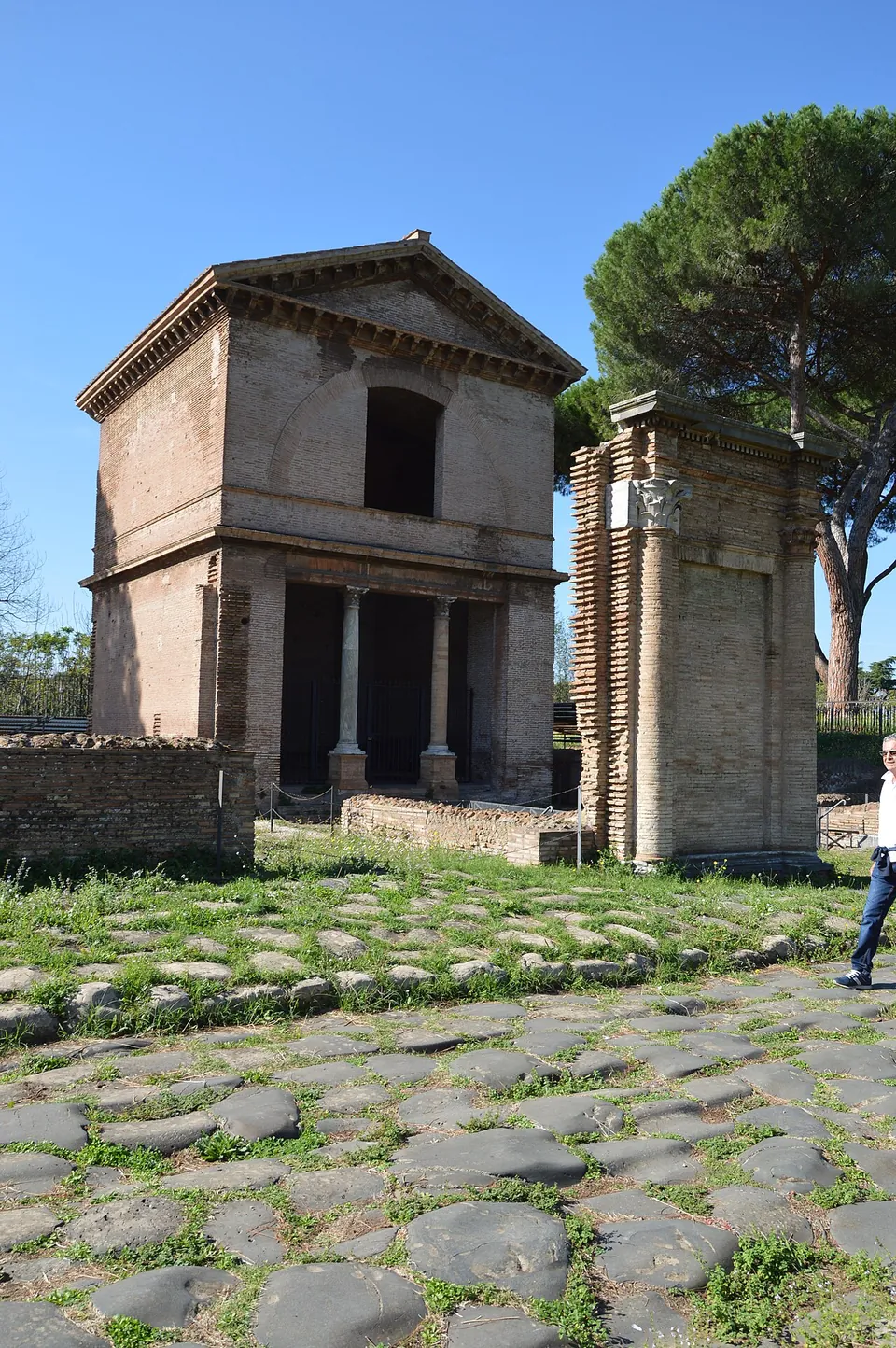
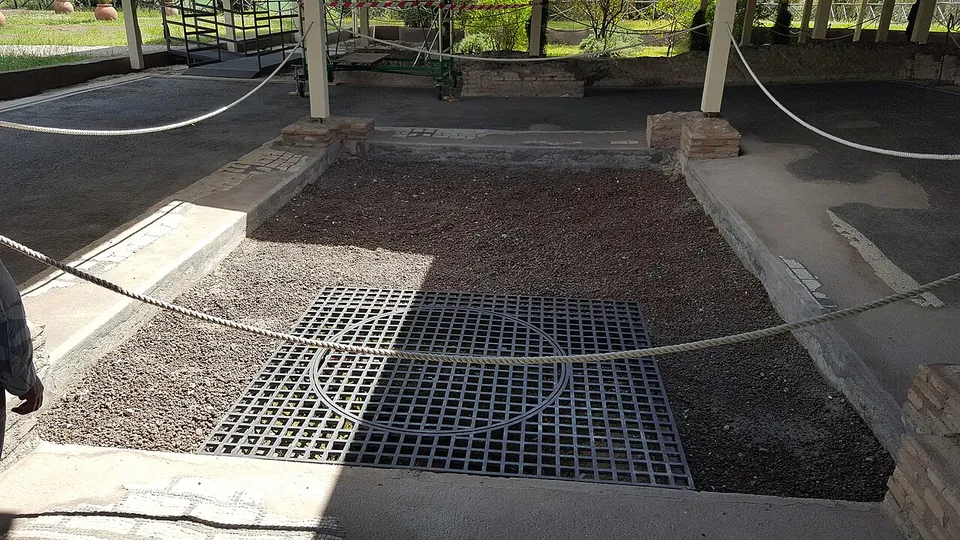
Tombs of Via Latina are a park about 450 m long where a
stretch of the Via Latina’s original basalt paving runs between tombs of the 1st and 2nd centuries
AD, some with painted and stuccoed chambers underground (en.wikipedia; the Appia Antica park); the
whole site has been closed for restoration since 22 June 2026, with no reopening date announced
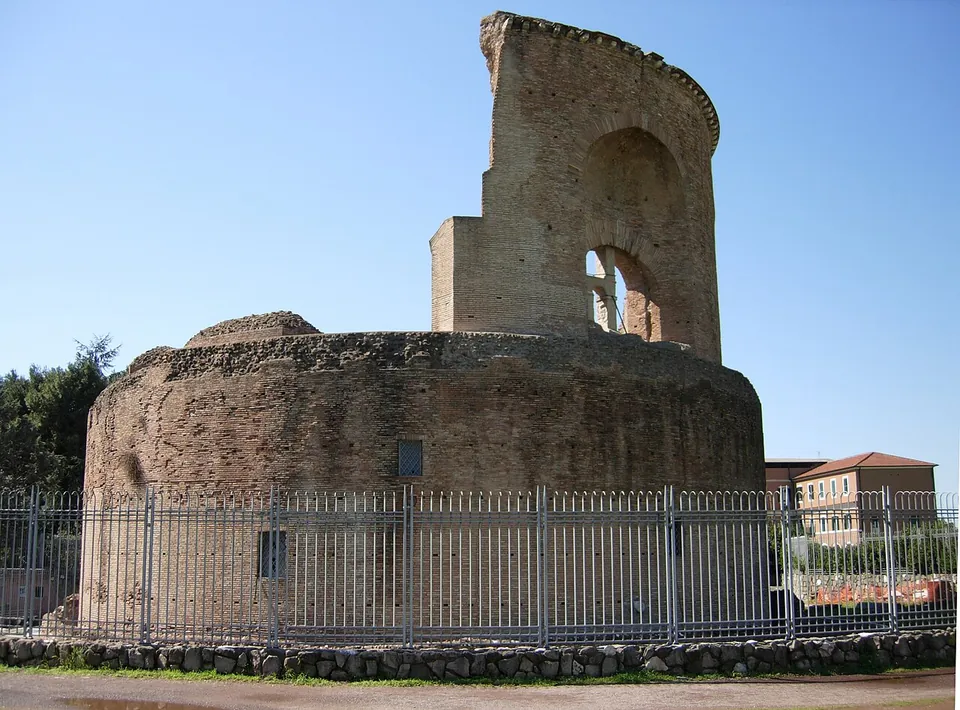
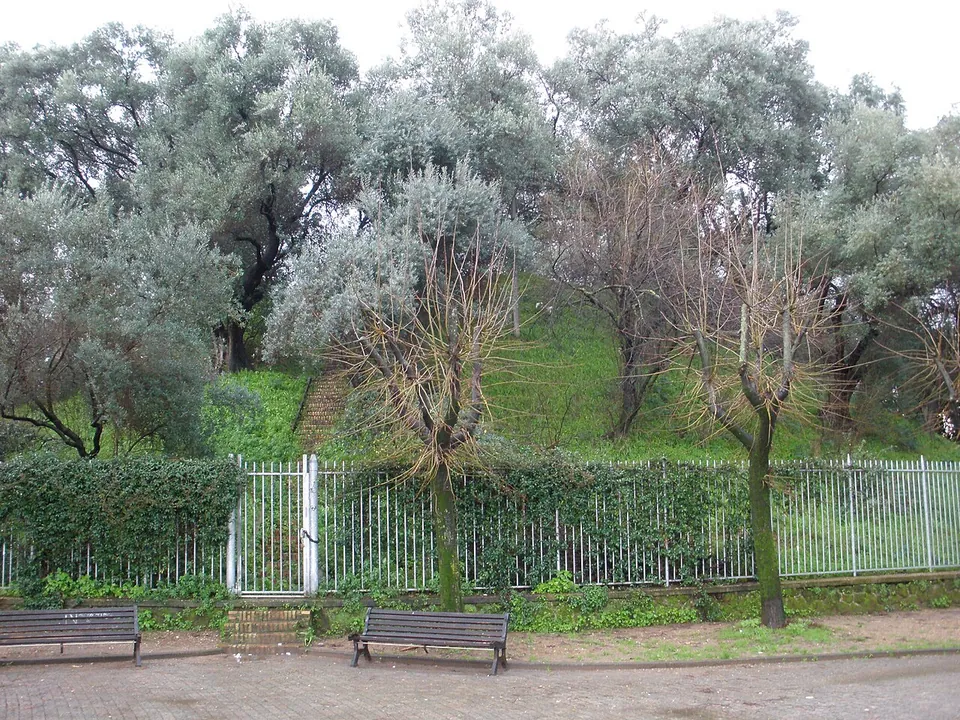
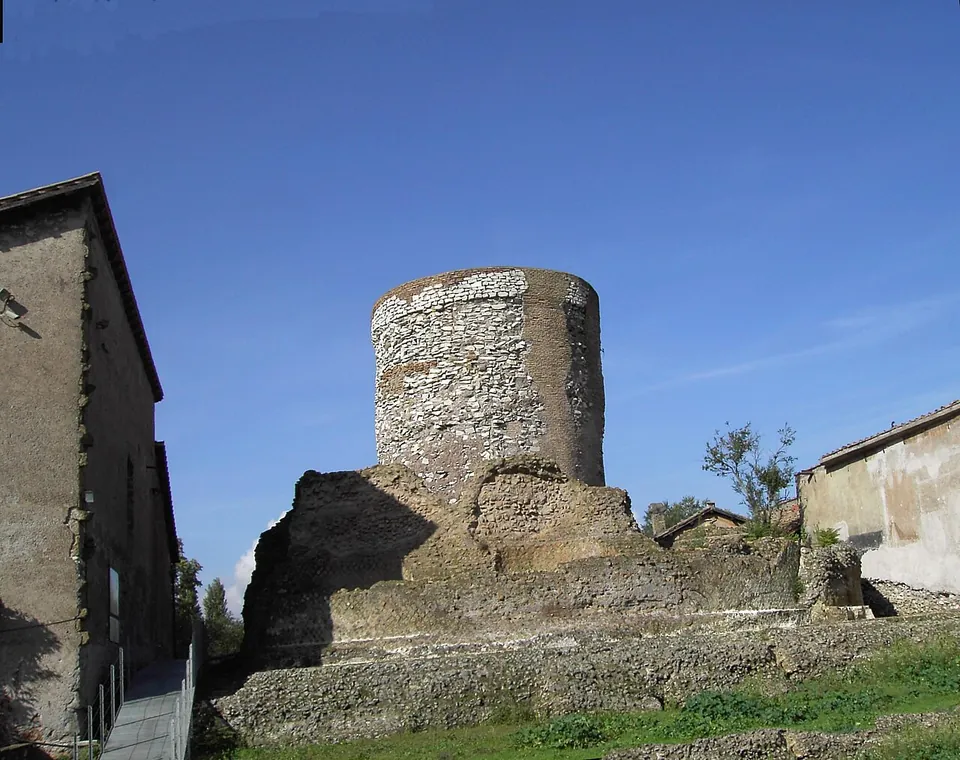
(the Appia Antica park). About 6 km south-east of the Forum,
Monte del Grano is a tumulus tomb of the 2nd century AD hidden
under a hill crowned with olive trees in a public park, the third largest tomb in Rome after the
mausoleums of Hadrian and Augustus; its corridor and round chamber can be entered only by booking
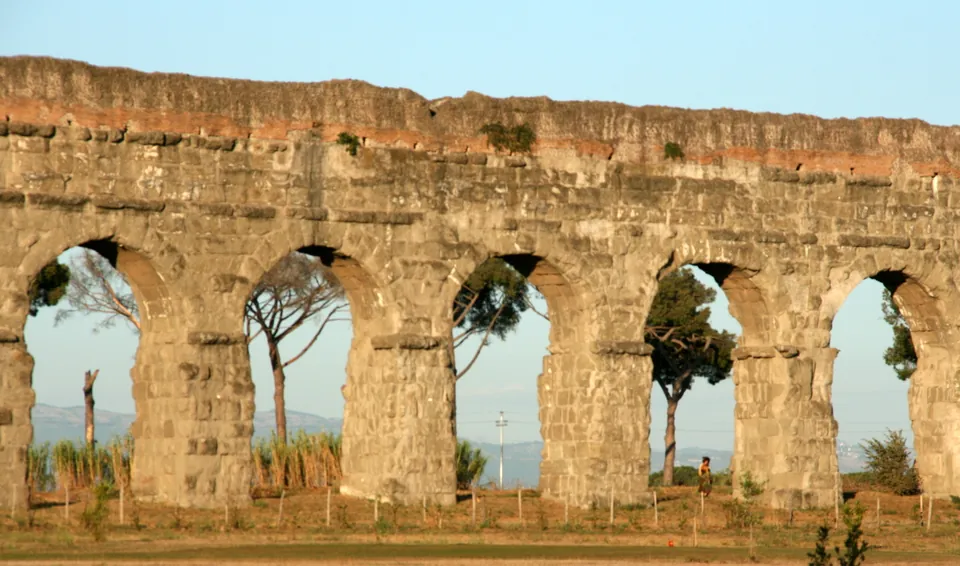
(Sovrintendenza Capitolina; Turismo Roma). The aqueducts are stops too: the Aqua Claudia,
begun under Caligula in 38 and finished under Claudius in 52, was one of the “four great
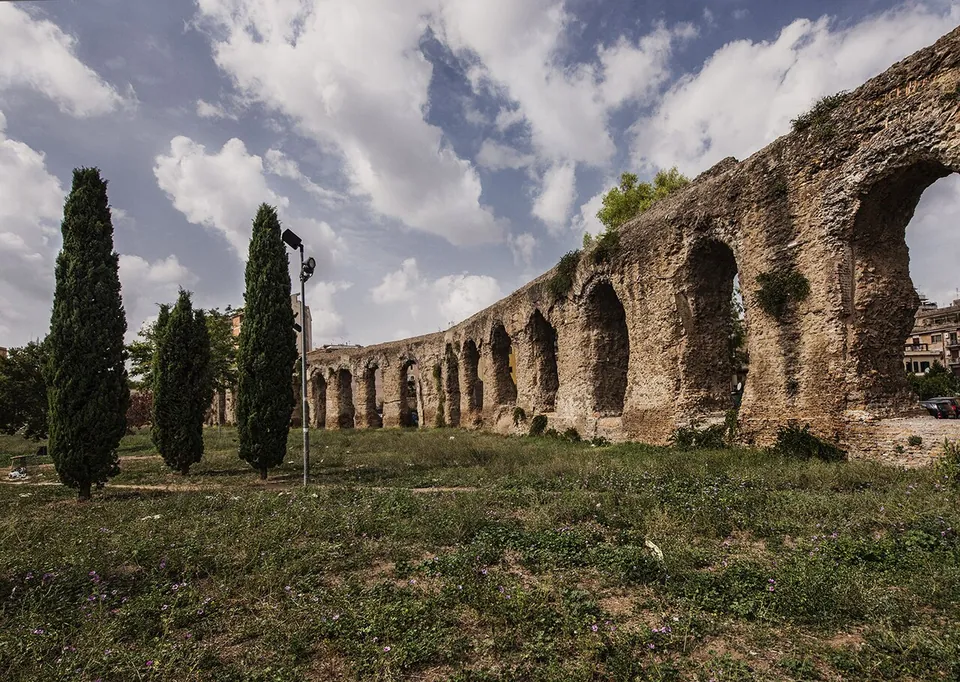
aqueducts of Rome” (en.wikipedia). The Aqua Marcia, built between
144 and 140 BC, was at about 91 km the longest of the eleven aqueducts that supplied the city
(en.wikipedia). It survives in fragments: Porta Tiburtina began as the arch that carried it over
the Via Tiburtina (en.wikipedia), and two stretches of its arches stand in the Parco degli
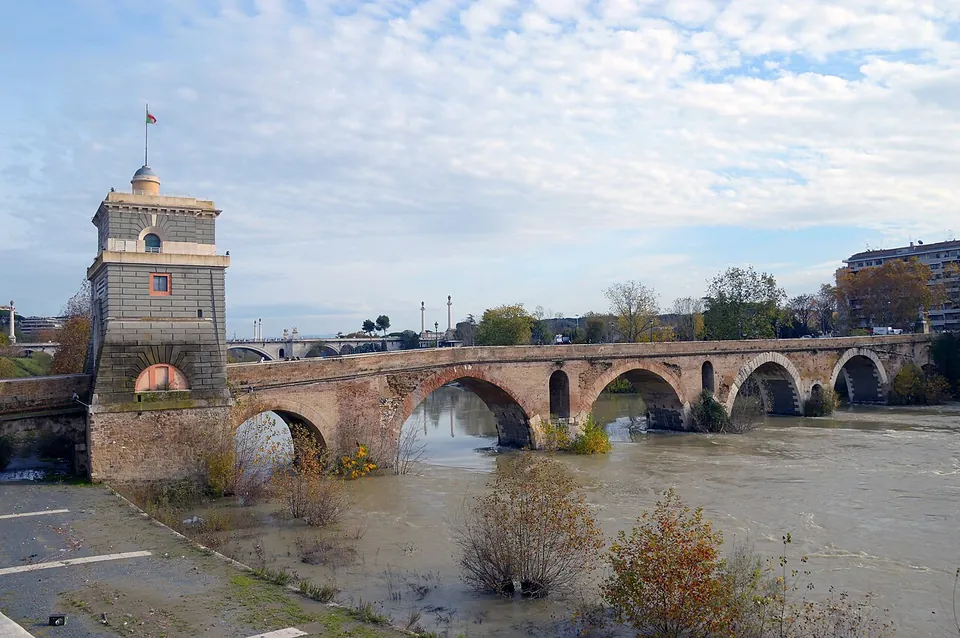
Acquedotti, overshadowed there by the Claudia’s (Turismo Roma). To the north, about 5 km from the Forum, Ponte Milvio
carried the Via Flaminia over the Tiber. Its central arches are Roman, from the stone bridge of
109 BC, Constantine defeated Maxentius between it and Saxa Rubra in 312, and it has been closed to
traffic since 1978, so it is crossed on foot (en.wikipedia; it.wikipedia). On the Via Nomentana,
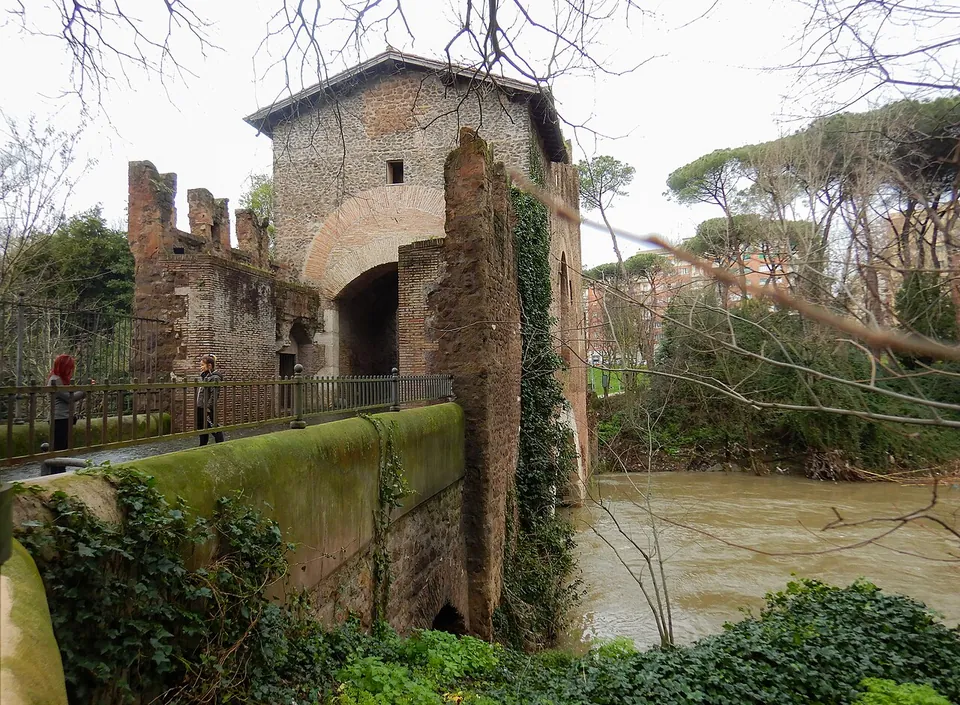
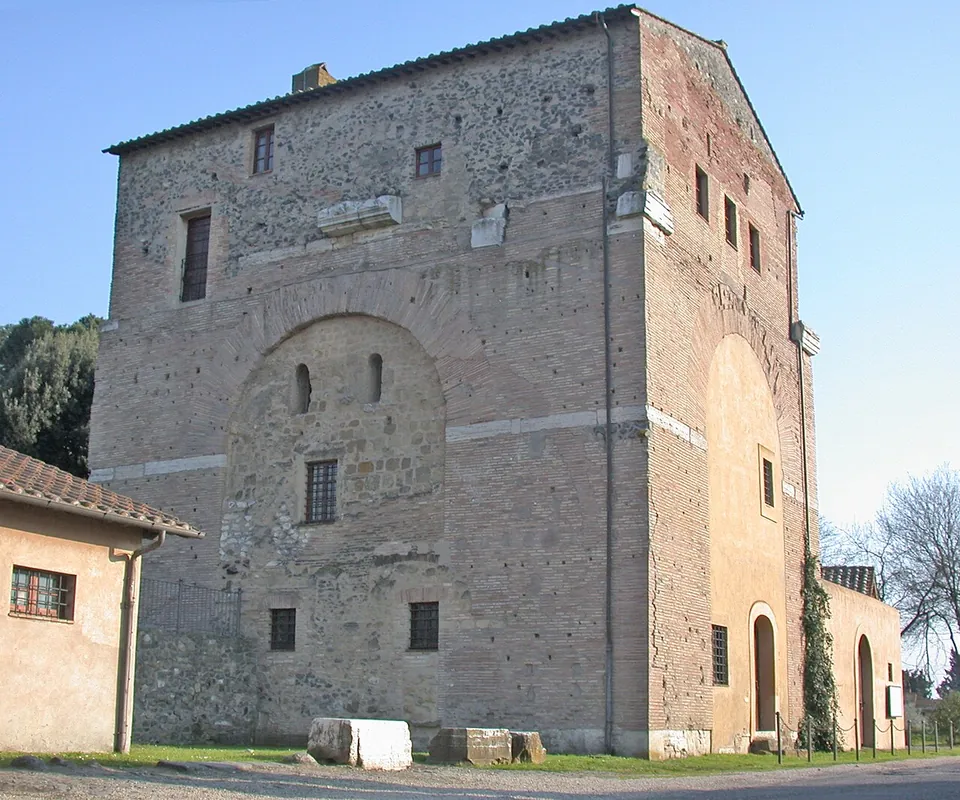
about 6 km north-east of the Forum, Ponte Nomentano crosses the
Aniene on one great travertine-faced arch of the late 2nd or early 1st century BC, under a
crenellated fortification built under Pope Nicholas V in the 15th century; it is seen from the outside, and
the roadway through it has been closed to cars since 1997 (Sovrintendenza Capitolina; it.wikipedia).
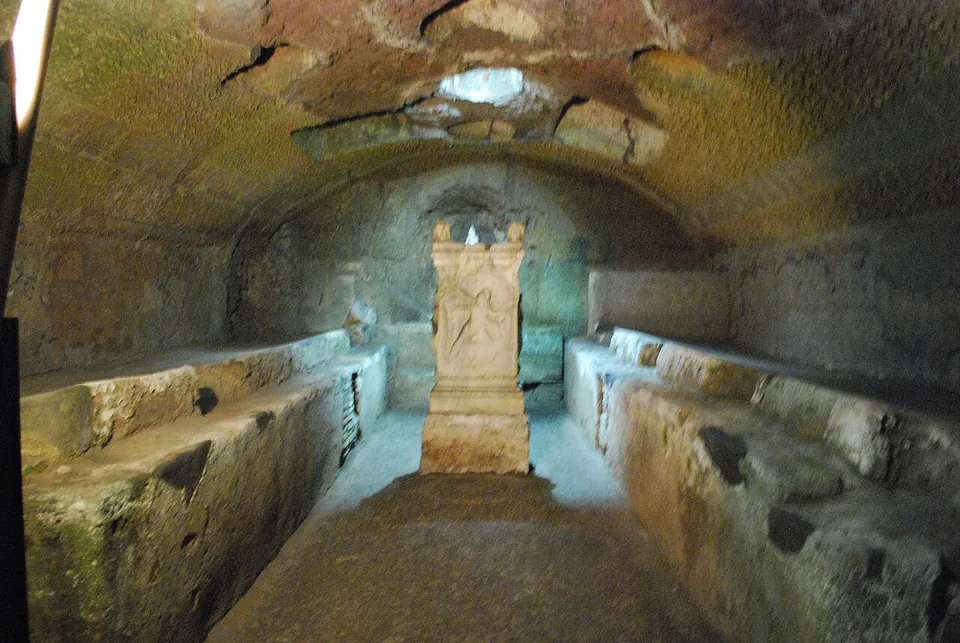
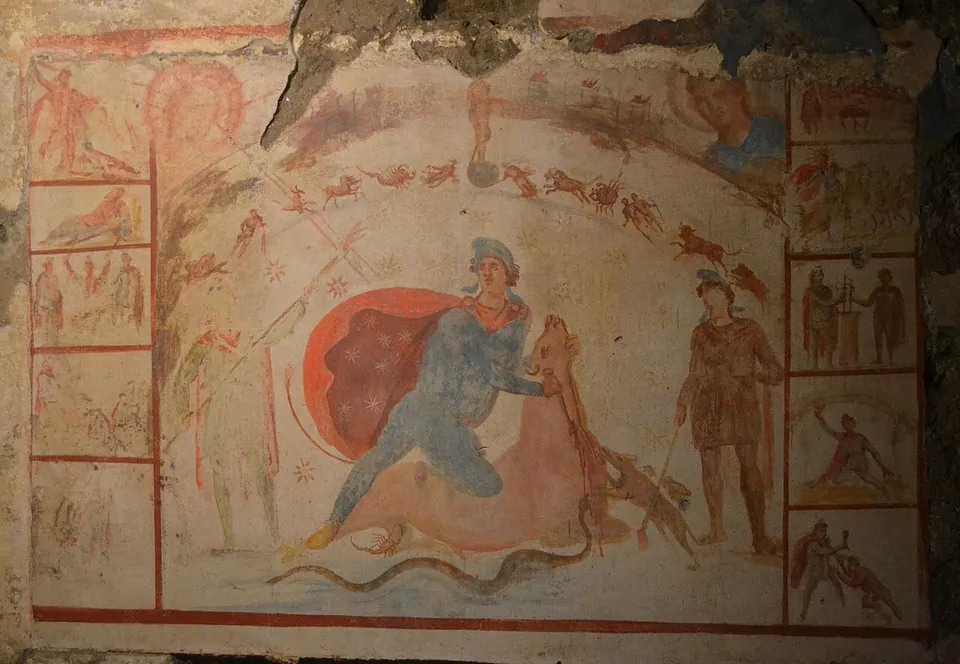
Churches. Several stops are churches or lie beneath them: the Mithraeum under the basilica
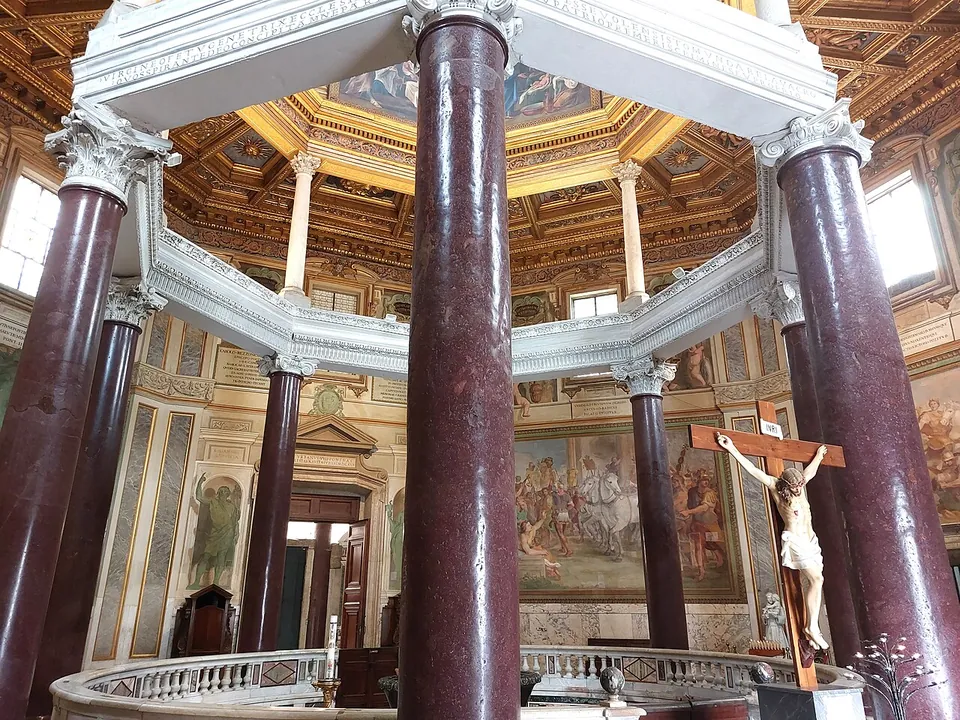
of San Clemente (it.wikipedia), and St John Lateran, the cathedral of Rome, which Pope Sylvester
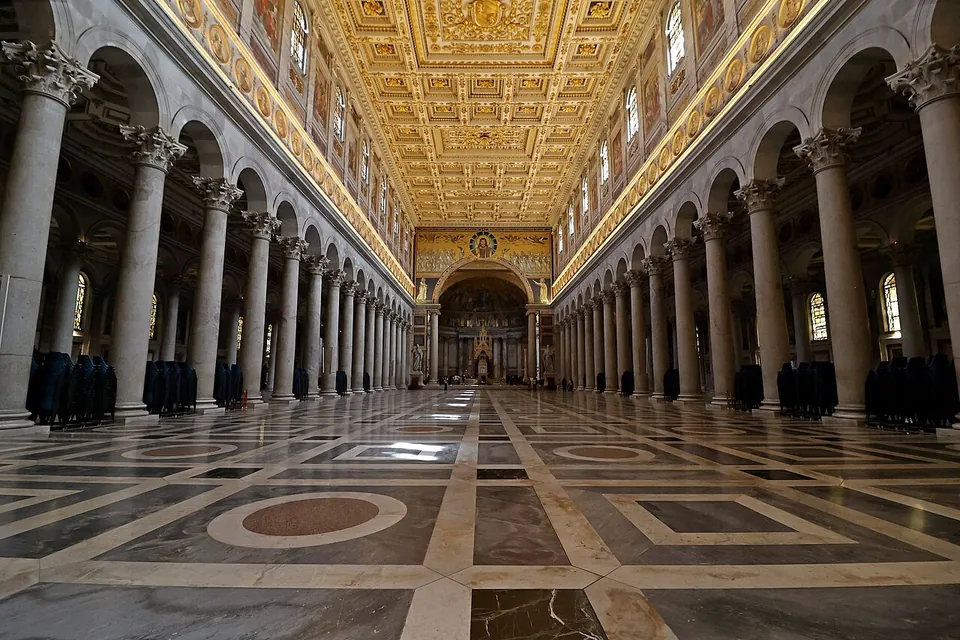
I dedicated in the 4th century (it.wikipedia). St Paul outside the Walls stands outside the
Aurelian Walls at what tradition holds to be Saint Paul’s burial site, though after a fire in the 19th
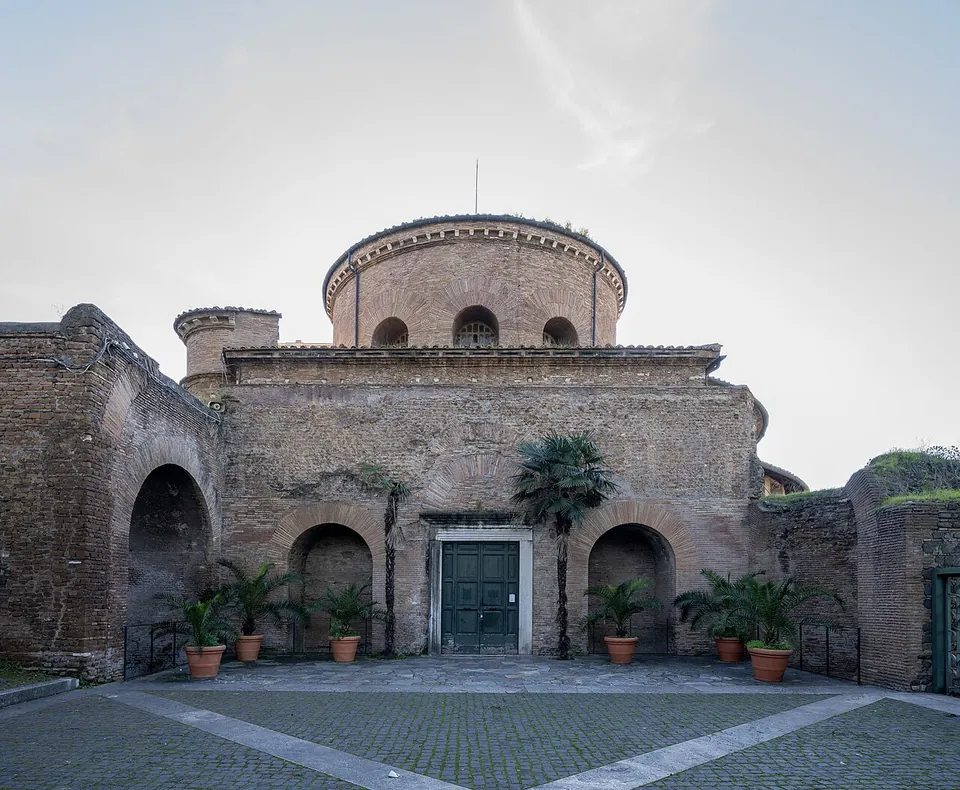
century the present building was completed in 1840 (en.wikipedia). On the Via Nomentana, about
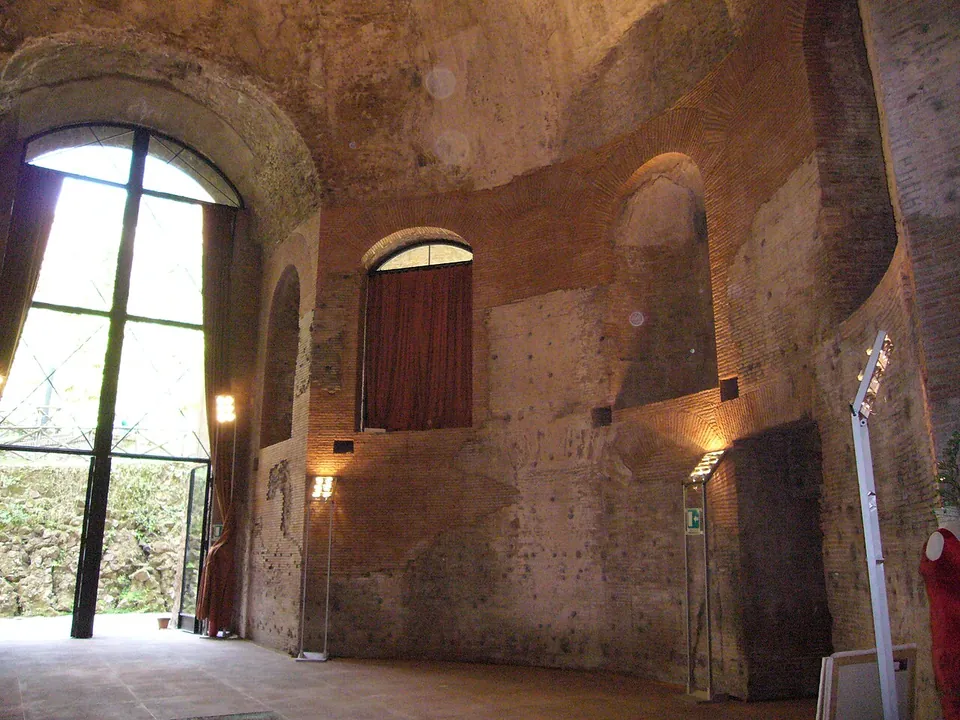
4 km north-east of the Forum, Santa Costanza is the round mausoleum built in the 4th century for
Constantina, daughter of Constantine, which later became a church: one of the best-preserved late
antique buildings in Rome, it keeps original mosaics in its ambulatory vault, and it stands in the
complex of Sant’Agnese fuori le mura, over part of the catacombs of Saint Agnes (en.wikipedia).
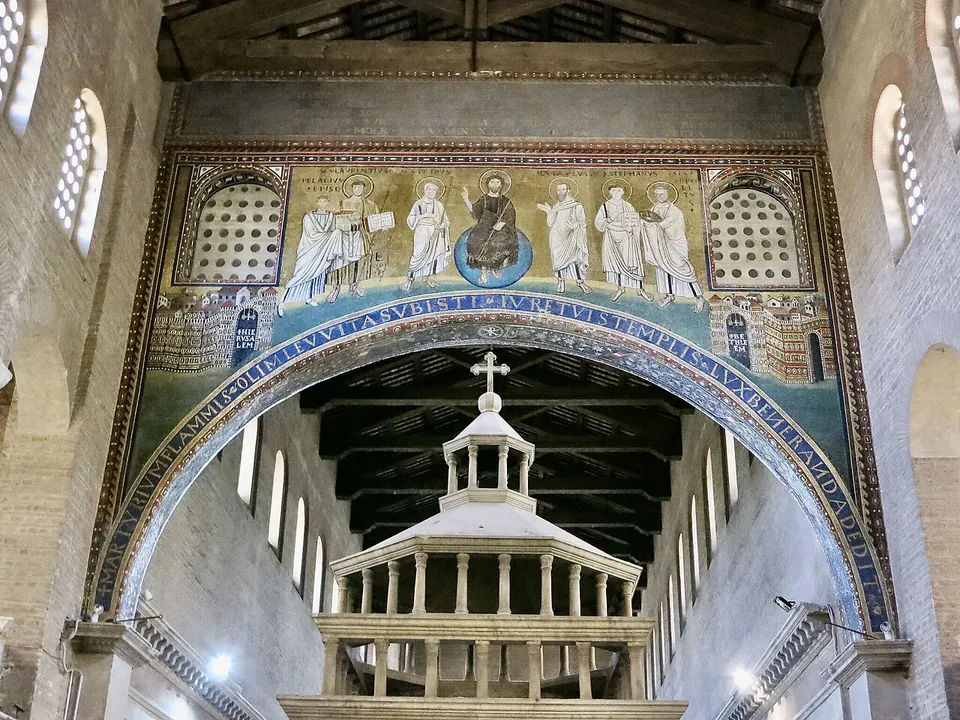
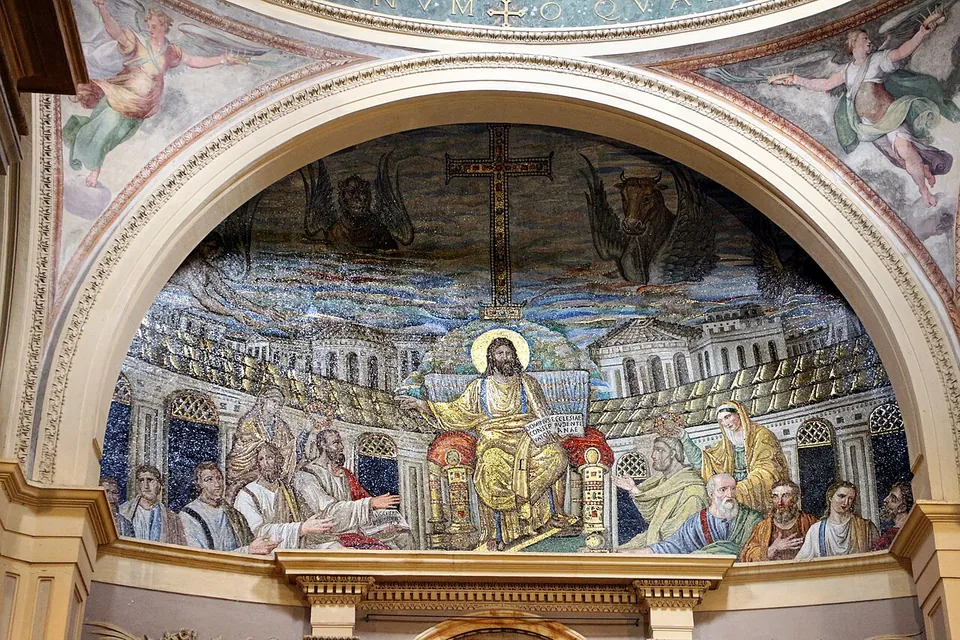
In Monti, Santa Pudenziana was set up by 384 inside a Roman
building of the 2nd century and keeps the apse mosaic made for it around 400, among the oldest
Christian mosaics in Rome (de.wikipedia; en.wikipedia).
History
Rome grew on the Tiber, in ancient Latium, probably from villages on the surrounding hills
that gradually came together, the Palatine among them (it.wikipedia). Tradition dates its
founding to 753 BC, though the site was inhabited well before (en.wikipedia), and excavations
near the Lapis Niger point to a settlement two centuries earlier (it.wikipedia).
The Forum’s earliest buildings, the Regia, the former royal residence, and the Temple of Vesta,
go back to the 8th and 7th centuries BC and were rebuilt in imperial times (en.wikipedia). As the Republic grew, the Forum
filled with basilicas, the Senate House and temples; Julius Caesar built the Basilica Julia and a
new Senate House, the Curia Julia, and began the Imperial Fora alongside, which the emperors
continued until AD 113 (en.wikipedia). Capital first of the Republic and then of the Empire, Rome ruled the
whole Mediterranean basin and much of Europe, and was so large that no city matched the
population of Augustan Rome until London in the early 19th century (it.wikipedia).
By the time Aurelian walled it, between 271 and 275, the walls enclosed 1,400 hectares while the
city itself spread over 2,400 (en.wikipedia). Building went on into late antiquity: the Baths of
Diocletian around 300, and Maxentius’s villa on the Appian Way. The great baths closed in the 6th century; those of Diocletian ran until about 537, when the
Ostrogoths cut the aqueducts that fed the city (en.wikipedia). From 609 the Pantheon was a
church, and the Colosseum, used for entertainment until the early medieval era, became in turn
housing, workshops, a fortress and a quarry (en.wikipedia). The historic centre, bounded by the
Aurelian Walls, has been on UNESCO’s World Heritage List since 1980 (it.wikipedia).