

What is there today
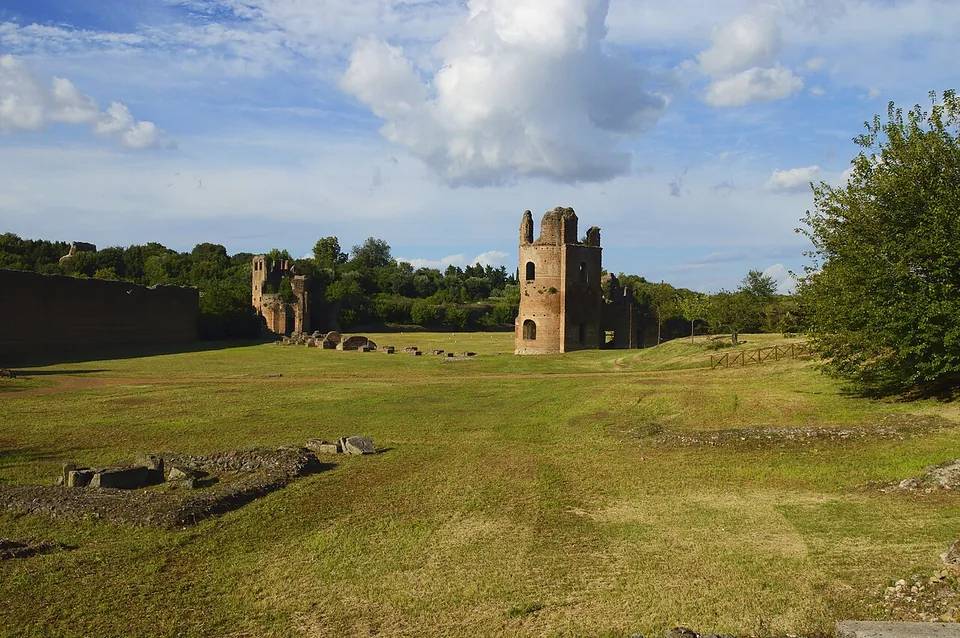
The complex is three buildings designed as one: a palace, a circus for chariot racing, and a dynastic mausoleum (the operator; it.wikipedia). They lie between the second and third miles of the road, with the Tomb of Caecilia Metella on the hill just to the east (en.wikipedia).
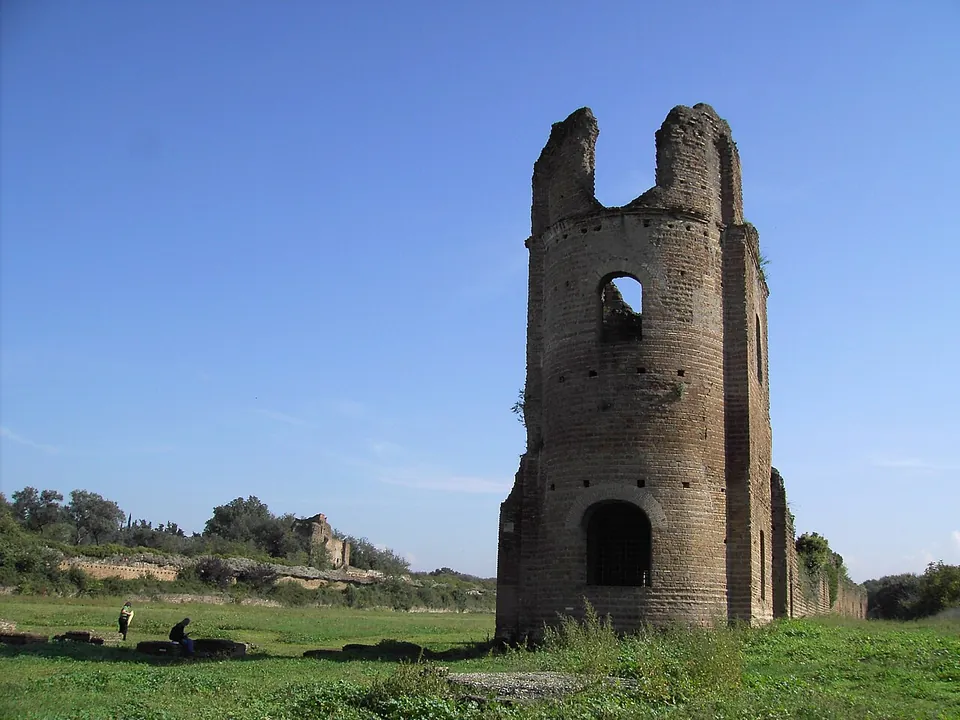
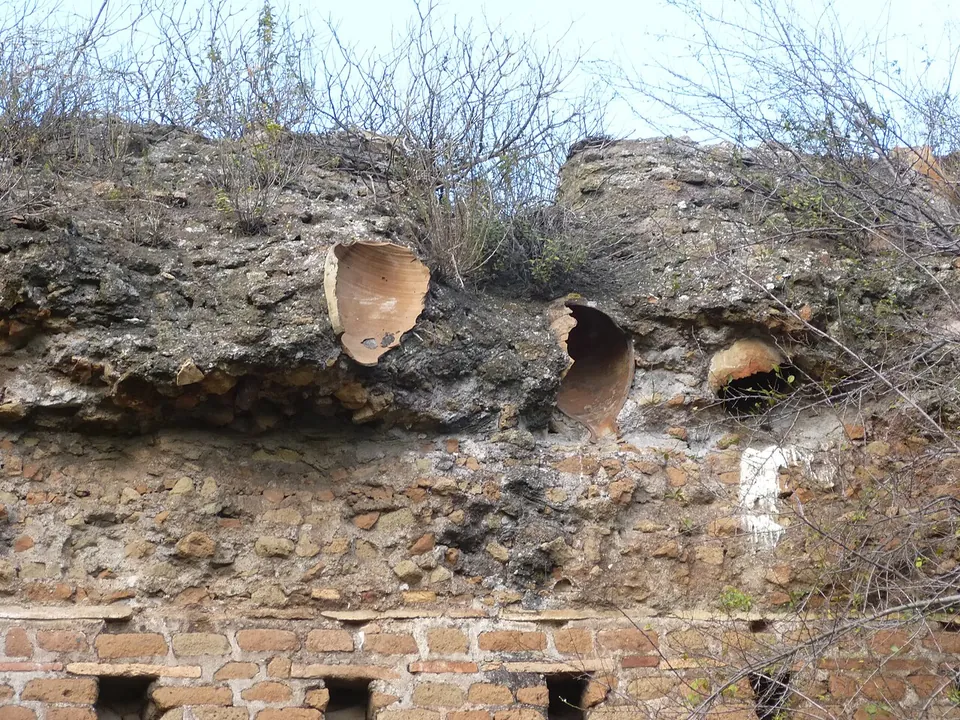
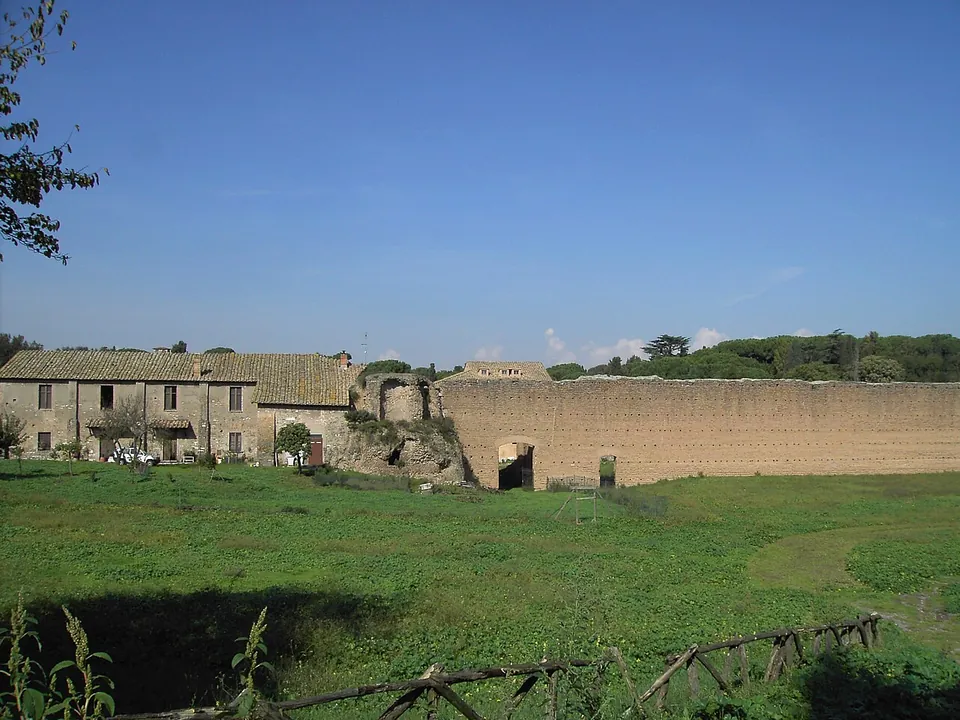
The circus. You enter at the west end, where the two towers that worked the starting gates still stand, and from there you can see the whole length of the track (en.wikipedia). Published figures for its length range from 465 to 513 m, and for its crowd from 10,000 to 18,000 (it.wikipedia; de.wikipedia). The enclosure walls, of concrete with a masonry facing, stand several metres high in places, and the holes for the builders’ scaffolding are still visible (en.wikipedia). The central barrier, the spina, survives in part and was restored in the 1970s (it.wikipedia; the operator). There is a small arch at the east end, and the remains of the imperial box can be identified on the north side; opposite it, a small arch in the south wall frames the Tomb of Caecilia Metella (en.wikipedia). Clay jars were built into the ceiling of the gallery that carried the seating, to lighten it, and some are exposed (the description of the photograph above). The obelisk that once stood on the spina is now the one Bernini set on the Fountain of the Four Rivers in Piazza Navona (it.wikipedia; en.wikipedia).
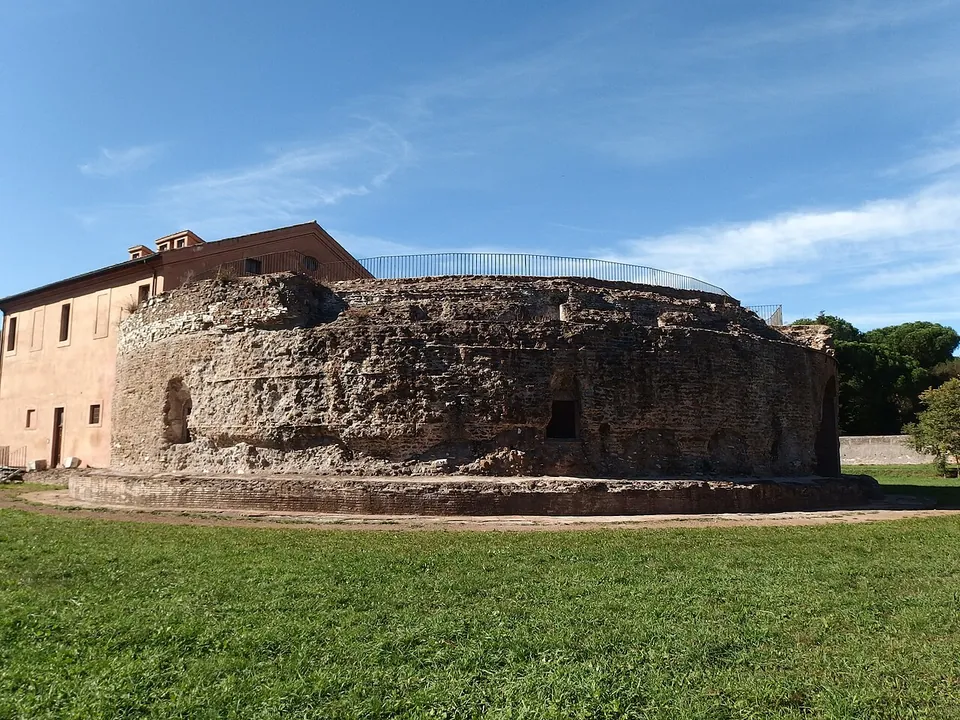
The mausoleum. Nearer the Appian Way stands the tomb, a rotunda about 35 m across that probably had two storeys; only the half-buried lower one survives, a corridor about 7 m wide running round a central octagonal pillar more than 9 m across, with niches for sarcophagi (en.wikipedia; it.wikipedia). There is no trace of decoration, which suggests it was never finished. A house built against it in the 18th century, later the Torlonia family’s villa, still hides it from the road (en.wikipedia; it.wikipedia). It reopened to visitors in 2014 after restoration (en.wikipedia). The tomb stood inside a four-sided portico aligned with the road (it.wikipedia), and that portico took in an older tomb, the so-called Tomb of the Servilii, of the late 1st century BC or early 1st century AD (Pleiades).
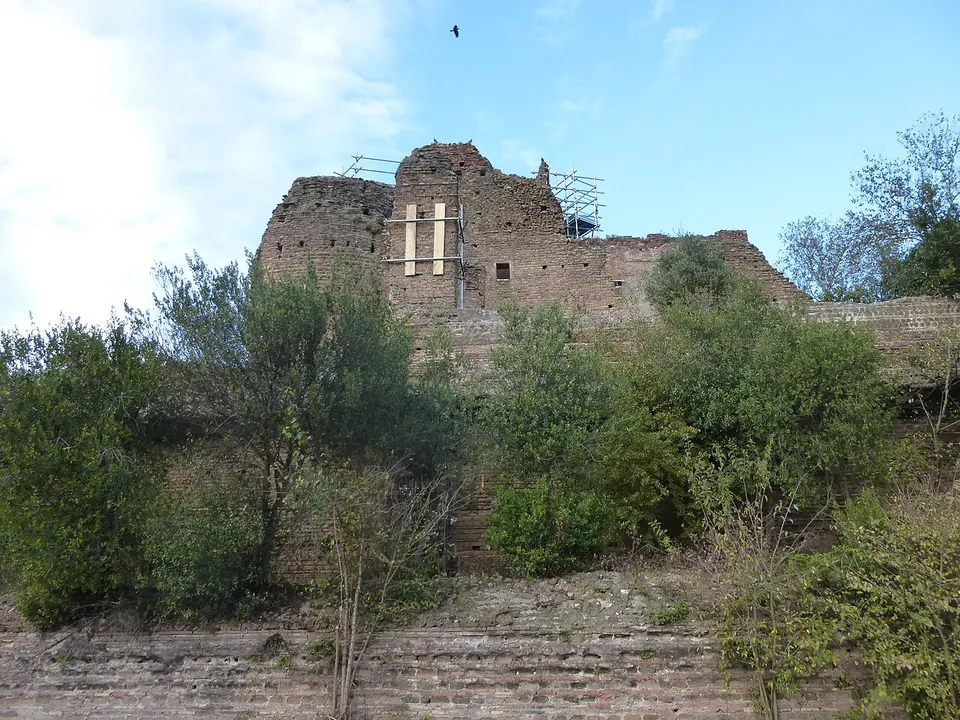
The palace. Little of it shows. Its remains are mostly hidden under trees, except the apse of the great audience hall, which rises above them (en.wikipedia). The hall faced the circus (the description of the photograph above), and the imperial box was linked to the palace by a covered portico (en.wikipedia). Beside the Torlonia farmhouse near the road stands one of two Julio-Claudian nymphaea of the older villa underneath, recently excavated again (it.wikipedia; the description of the photograph above).
Is it worth the trip?
Yes, if you are spending any time on the Appian Way. It is the best-preserved circus in the Rome area and the second largest in Rome after the Circus Maximus (en.wikipedia), and it.wikipedia calls it the only Roman circus still well preserved in all its architectural parts. Here you can walk the track from the starting gates to the far arch.
Two caveats. The palace is the weakest part: come for the circus and the mausoleum, not for rooms. And the hours are short: outside summer weekends it closes at 16.00, with last entry at 15.15, and it is shut on Mondays (the operator). It sits on the same stretch of road as the Tomb of Caecilia Metella, about 400 m away, and the basilica and catacombs of San Sebastiano (en.wikipedia), so the three combine naturally into one visit to the Appia.
Getting there and what it costs
The entrance is at Via Appia Antica 153 (the operator). Buses 118 and 660 stop about 200–240 m away, at “Appia Pignatelli/S. Urbano” and “Basilica S. Sebastiano”; the 660 runs from the Arco di Travertino metro station on line A (OpenStreetMap). Two free car parks are mapped about 270 m away (OpenStreetMap).
It is open Tuesday to Sunday: 10.00 to 16.00 from October to May; from June to September 10.00 to 16.00 on weekdays and 10.00 to 19.00 at weekends. Last entry is 45 minutes before closing, and it is closed on Mondays, 1 May and 25 December. A ticket is €7.50, or €6 reduced (among others, visitors aged 6 to 25 who do not live in Rome). Children under 6, residents of Rome and its metropolitan area with an identity card, and holders of the MIC card go free, and so does everyone on the first Sunday of the month. Same-day tickets are sold at the ticket office by card only; tickets bought ahead online or through the 060608 call centre cost €1 more (villadimassenzio.it and museiincomuneroma.it, read 17 October 2026 — check before travelling). The Tomb of Caecilia Metella is run by a different body, the Appia Antica archaeological park, and has its own ticket.
Visiting details
- Opening hours
- Tuesday to Sunday, closed Mondays, 1 May and 25 December. October to May 10.00–16.00; June to September 10.00–16.00 Tuesday to Friday and 10.00–19.00 on Saturdays and Sundays. 24 and 31 December 10.00–14.00. Last entry 45 minutes before closing.
- Tickets
- €7.50 full, €6 reduced (among others, visitors aged 6–25 who do not live in Rome). Free under 6, for residents of Rome and its metropolitan area with an identity card, for MIC card holders, and for everyone on the first Sunday of the month. Same-day tickets at the ticket office, card only; tickets bought in advance online or by phone (060608) carry a €1 booking fee.
- Parking
- Two free surface car parks are mapped about 270–280 m from the site (OSM way/225219129 and way/377105844).
Before you go
- Closed on Mondays, and in the cooler eight months of the year it closes at 16.00, so a late-afternoon visit does not work.
- The Tomb of Caecilia Metella up the road is run by a different body, the Appia Antica archaeological park, and needs its own ticket.
Hours and prices checked 17 October 2026 on the operator's own site. Confirm before travelling.
Nearby: Sant’Urbano alla Caffarella
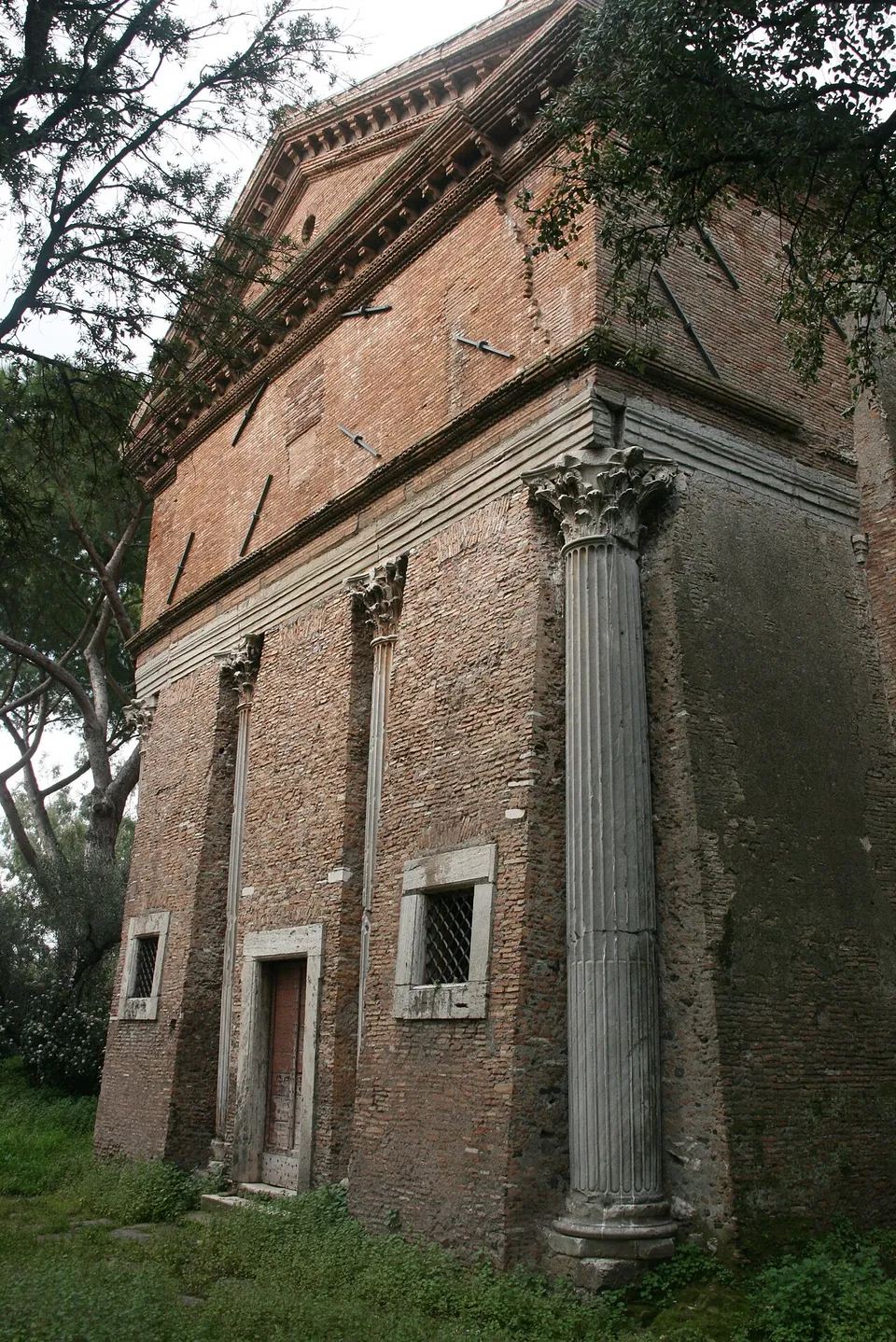
About 500 m north-east, inside the Caffarella park, a small temple of the 2nd century AD survives almost whole because it became a church (it.wikipedia; the Barrington Atlas, through Pleiades, allows that the Roman building may have been a tomb). It stood on the estate that Herodes Atticus dedicated to the memory of his wife Annia Regilla, and statues to Ceres, to the deified empress Faustina and to Annia Regilla herself were set up inside (Sovrintendenza Capitolina; Pleiades). The four Corinthian columns and the marble entablature of its portico are still in place, built into the brick walls with which the porch was closed in 1634, and the vaulted cella keeps its stucco frieze of arms (Sovrintendenza Capitolina; it.wikipedia). Sources date its first Christian use variously from the 6th to the 10th century (it.wikipedia; Sovrintendenza Capitolina; Pleiades). It is visited only by booked groups of up to 20, through the 060608 call centre, at €4 or €3 reduced, free for residents of Rome (Sovrintendenza Capitolina, read 17 October 2026).
Pleiades also records a Roman cistern of the early 2nd century AD about 270 m south-east of the church, mapped by OpenStreetMap as “grande cisterna”; no source describes what of it can be seen or whether it can be visited.
History
The site had a long life before Maxentius. A republican farm villa of the 2nd century BC on the slope facing the Alban Hills was rebuilt over time, and in the 2nd century AD Herodes Atticus took it into his estate on the Appia, the Triopion (it.wikipedia; the operator). The land then passed to the emperors (it.wikipedia).
Maxentius, son of the former emperor Maximian, seized power in Rome in 306 and held it until 312, when Constantine invaded Italy and Maxentius died in the battle at the Milvian Bridge (de.wikipedia). In those six years he built the palace, the circus and the mausoleum here (Pleiades; de.wikipedia), following the pattern of the Tetrarchs’ residences, where a palace was joined to a circus; here, as in Galerius’s palace at Thessaloniki, a dynastic mausoleum was added and became the heart of the complex (the operator). His young son Valerius Romulus died in 309 and was probably the first, perhaps the only, person buried in the tomb (it.wikipedia; en.wikipedia). The circus was dedicated to him: an inscription found in 1825 names Maxentius as its builder and Romulus as its dedicatee (it.wikipedia). Whether races were ever run is unclear: en.wikipedia records only inaugural games, probably funerary ones for Romulus, while it.wikipedia holds that the track was probably never used at all. Either way the complex was abandoned once Maxentius fell, and that early abandonment is the likeliest reason it survives so well; Nibby noted that the building had never been restored in antiquity (it.wikipedia).
Constantine probably handed the estate to the Church, and from the 6th century at the latest it was part of the Patrimonium Appiae (the operator). The circus is named as “Girulum” in a land exchange of 850 (it.wikipedia). For centuries it was known as the Circus of Caracalla, until Antonio Nibby’s excavation for the Torlonia family in 1825 found the inscription that settled whose it was (en.wikipedia; it.wikipedia). The city of Rome expropriated the site in 1943, cleared the whole circus for the 1960 Olympics, and opened the complex to the public in 1980 (the operator).
More photographs




Nearby
Photo: MumblerJamie · CC BY-SA 2.0 · Commons
16 km · villa · Lazio
Villa of Livia
The operator describes the private wing with the bedrooms of Livia and the emperor, an atrium and a small inner garden, and the large reception rooms that open onto a peristyle; the rooms once had painted walls and floors of mosaic and cut marble (Soprintendenza Speciale di Roma).
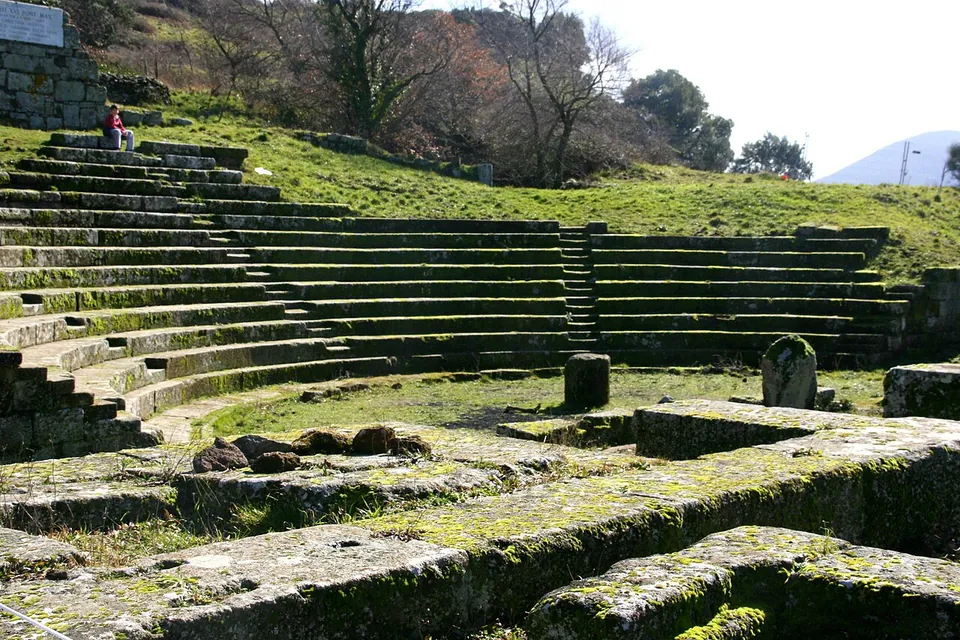
Photo: Luiza Serpa Lopes · Public domain · Commons
17 km · city · Lazio
Tusculum
The visitor route runs mainly through the forum, with the theatre halfway round (the operator).
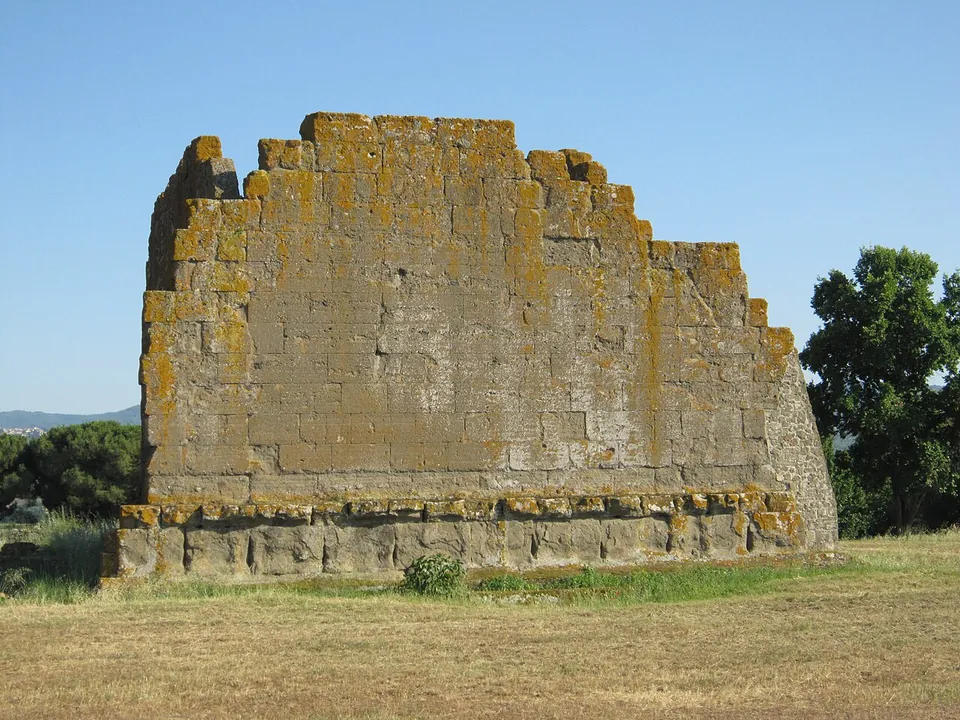
Photo: Carlomorino · CC BY-SA 3.0 · Commons
17 km · city · Lazio
Gabii
The park the state holds covers about 70 hectares on the southern rim of a volcanic crater whose lake was drained in the 19th century (the operator; en.wikipedia).


Straight-line distances.
Sources
Every fact on this page comes from the records below, each used under the licence noted.