

What is there today
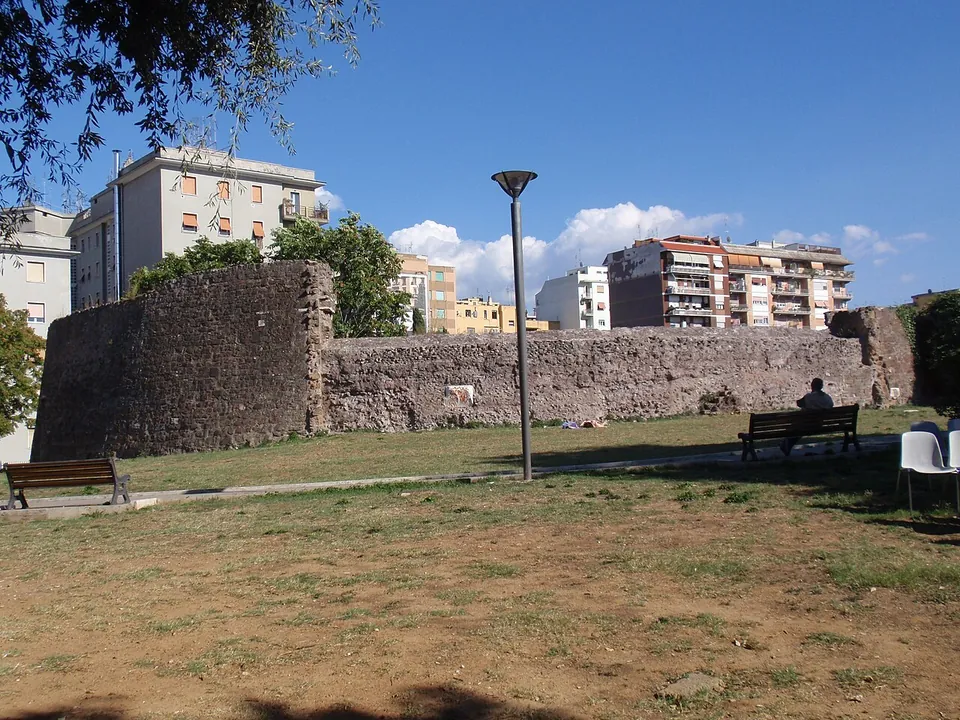
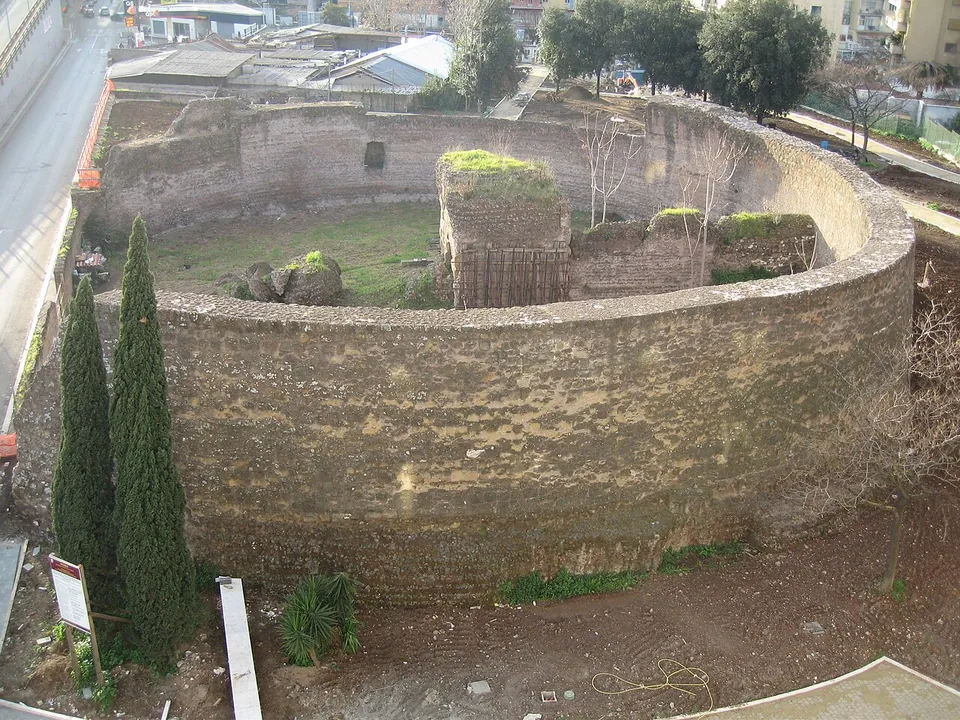
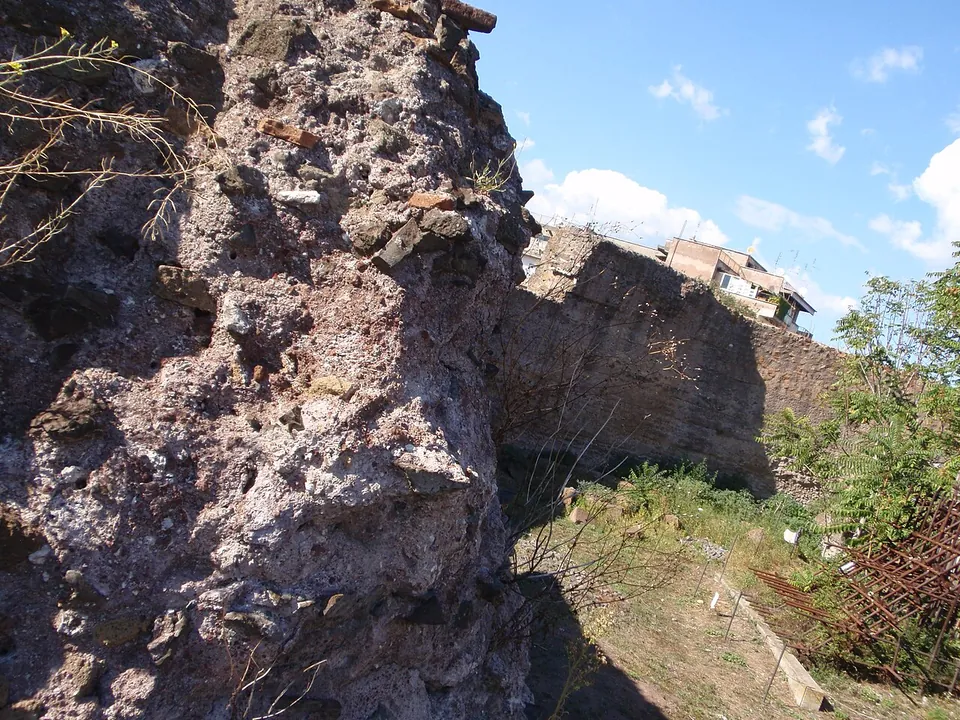
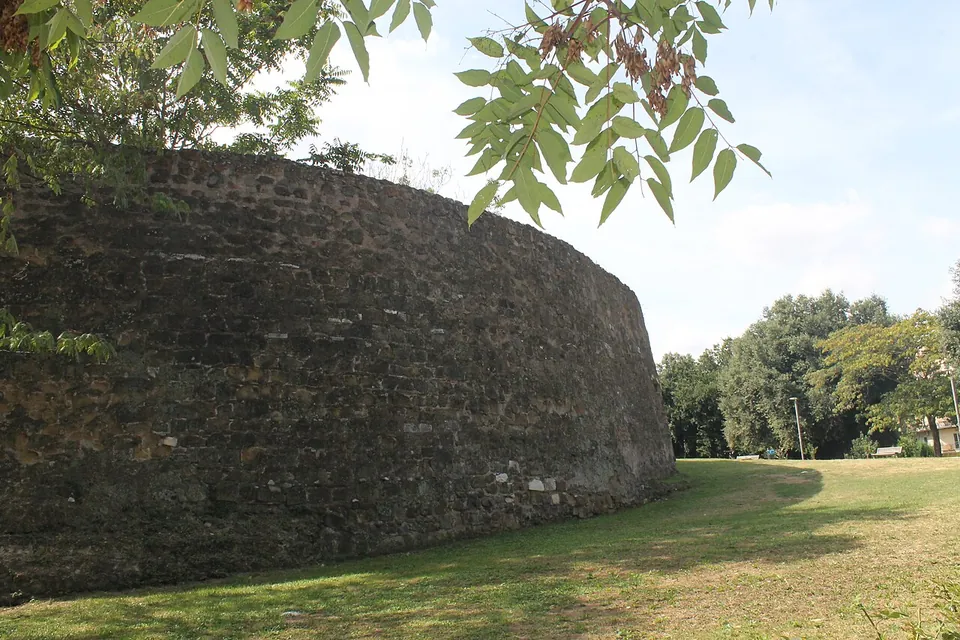
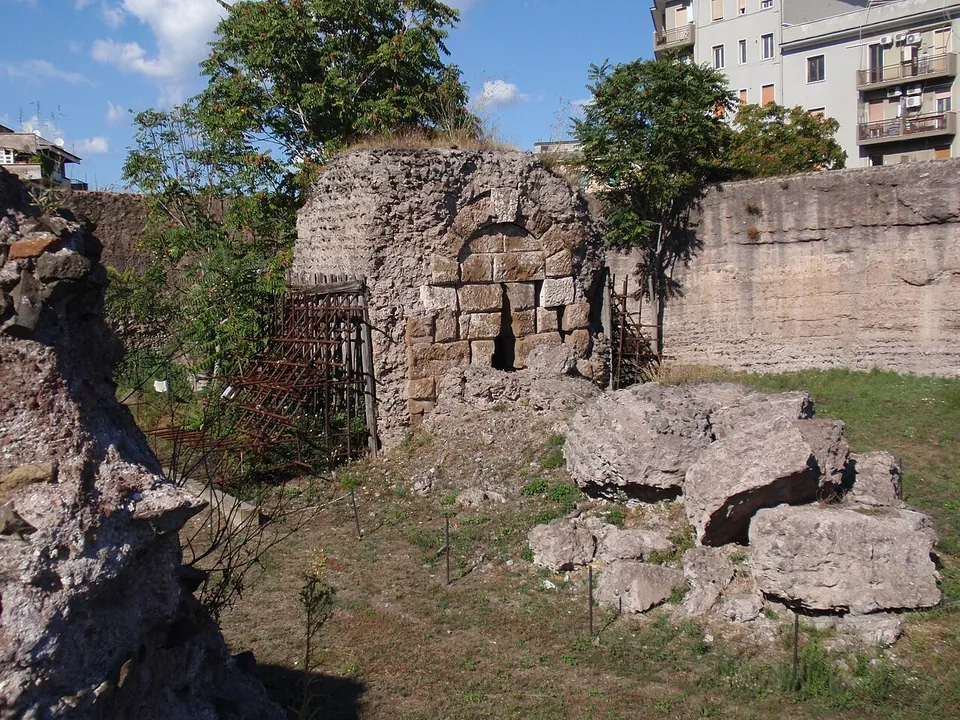
What you see is the drum: a circular wall of Roman concrete about 41 m across that once held an earth mound (Sovrintendenza Capitolina; it.wikipedia). Its stone facing is gone, the mound was dug away after the Second World War, and part of the drum was demolished when the Via Prenestina was widened (Sovrintendenza Capitolina), so it reads as a great curve of rough masonry rather than as a tomb. Inside the ring are the remains of the burial chamber and of the corridor that led to it. The remains of a medieval fountain stand beside the monument (Turismo Roma; it.wikipedia).
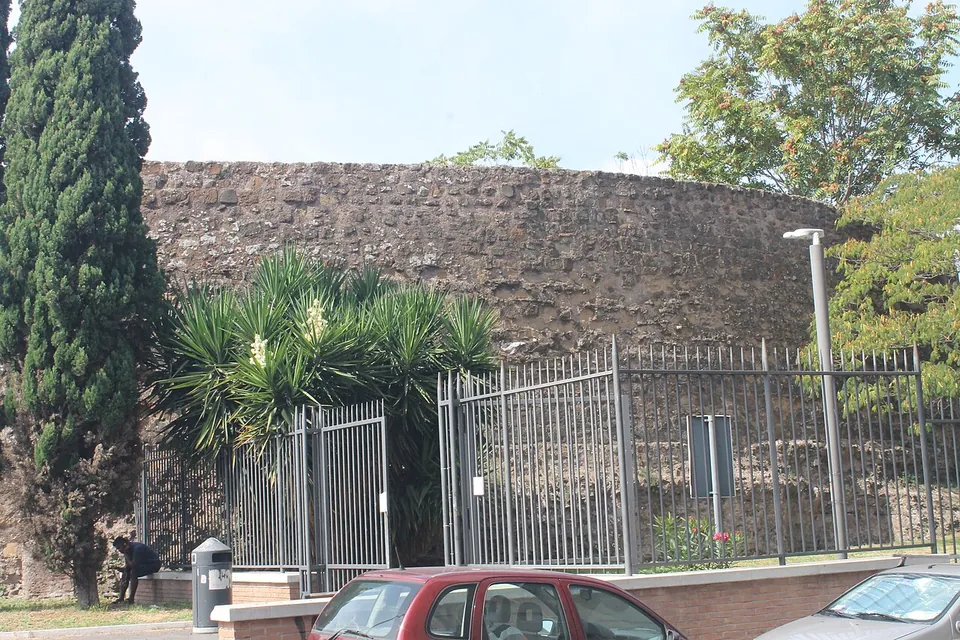
The ring stands in the Parco del Torrione Prenestino, a neighbourhood park of lawns and benches. On an ordinary day you see the drum from the park: the monument itself, with its newly restored chamber and corridor, is closed to the public (Sovrintendenza Capitolina).
Is it worth the trip?
As a short stop, yes, if you are in Pigneto or heading out from Porta Maggiore: it costs nothing to look at, it is 150 m from a tram stop, and few Roman tombs in the city are bigger. The published rankings put two ahead of it: the Mausoleum of Augustus in both, and then the Monte del Grano (Turismo Roma) or the Mausoleum of Hadrian, now Castel Sant’Angelo (it.wikipedia).
On its own it does not justify a trip from the centre. There is nothing to go into on a normal day, and what stands is a stripped concrete core in a city park, not a tomb with its facing and mound. Combine it with Porta Maggiore, or with Villa Gordiani, about 2 km away on the same road.
Getting there
The tomb is on the Via Prenestina in Pigneto, part of the Rome hub. The park’s entrances are at Via Bartolomeo Colleoni 2 and Via Ettore Fieramosca 20 (Turismo Roma). The nearest public transport is the ATAC tram and bus stop Prenestina/Giovenale, about 150 m away, and a car park is mapped about 90 m from the tomb (OpenStreetMap).
No opening hours are published for the park, and none of the pages lists a ticket for it. The interior is a different matter. The Sovrintendenza Capitolina, Rome’s own heritage office, put it on a programme of free guided openings in June 2026, with the Torrione on Sunday 21 June from 10.00 to 13.00, and said that afterwards it would open on request or on special occasions. That opening was postponed for a technical problem, and no new date had been announced by 24 October 2026; the city’s information line, 060608, takes questions (Sovrintendenza Capitolina). From June to August the park hosts Estate al Torrione, a neighbourhood summer festival (Turismo Roma).
Visiting details
- Opening hours
- No opening hours are published for the Parco del Torrione Prenestino, the public park round the tomb, from which the outside of the drum is seen. The monument itself, with its burial chamber and corridor, is closed to the public.
- Tickets
- No ticket is listed for the park. The interior is to open only on request or on special occasions, which the Sovrintendenza Capitolina announces; its free guided opening set for Sunday 21 June 2026 was postponed for a technical problem, and no new date had been published when this page was checked.
- Parking
- A car park is mapped about 90 m from the tomb (OpenStreetMap). The park's entrances are at Via Bartolomeo Colleoni 2 and Via Ettore Fieramosca 20 (Turismo Roma).
Before you go
- The monument is closed to the public; on an ordinary day you see the drum from the park around it.
- From June to August the park hosts a neighbourhood summer festival, Estate al Torrione (6 June to 8 August in 2026).
Hours and prices checked 24 October 2026 on the operator's own site. Confirm before travelling.
History
Tombs of this kind, a mound of earth held in a circular drum, were built in Rome from the middle of the first century BC; the Mausoleum of Augustus, built between 32 and 28 BC, became their model, and the fashion faded soon after his death. About thirty are known around Rome (it.wikipedia). This one is dated to the age of Augustus (Sovrintendenza Capitolina), and it.wikipedia places it in the last quarter of the first century BC. Who was buried here is not known: some scholars have proposed attributions, but no evidence supports them (Sovrintendenza Capitolina), though a tomb of this size must have been built for someone of high rank (Turismo Roma).
The drum had a core of concrete with chips of basalt, and the Sovrintendenza gives its height as about 8 m. It was faced with stone, travertine blocks or marble by different accounts, of which nothing remains. A long corridor ran through the mound to a rectangular burial chamber with three niches; the Sovrintendenza describes chamber and corridor as built of squared tufa blocks under barrel vaults, while Turismo Roma and it.wikipedia call the chamber travertine. it.wikipedia describes the usual crowning of such a tomb: a column rising from the top of the mound above the chamber, carrying a statue of the dead in official dress.
The tomb later stood in a vineyard. In the 15th century it belonged to the Rufini family, who used it as a cellar and built a two-storey tower beside it (Sovrintendenza Capitolina); their coat of arms survives on the entrance portal. In the Middle Ages the monument was fortified and took on the look of a tower, which gave it the name Torrione (Turismo Roma). At the end of the 16th century it passed to the Irish Dominicans, who built a farmhouse against it and a well that is still there (Sovrintendenza Capitolina).
The 20th century was hard on it. Bombing in the Second World War brought down a large part of the corridor and shifted many blocks of the chamber; afterwards the earth mound was removed entirely and part of the drum was demolished to widen the Via Prenestina. The shacks built against and inside the tomb were cleared after 1980 (Sovrintendenza Capitolina). On 29 December 2010, after two years of restoration that strengthened the outer wall, the monument and its park reopened, the park enlarged to 0.8 hectares and linked by a footpath to the Via Prenestina (it.wikipedia). The latest works, under the PNRR Caput Mundi programme, made the chamber and corridor safe and removed the metal props that had held them, restored the ancient entrance and the floors, filled the cracks, put some blocks back in place and added new lighting (Sovrintendenza Capitolina).
More photographs



Nearby
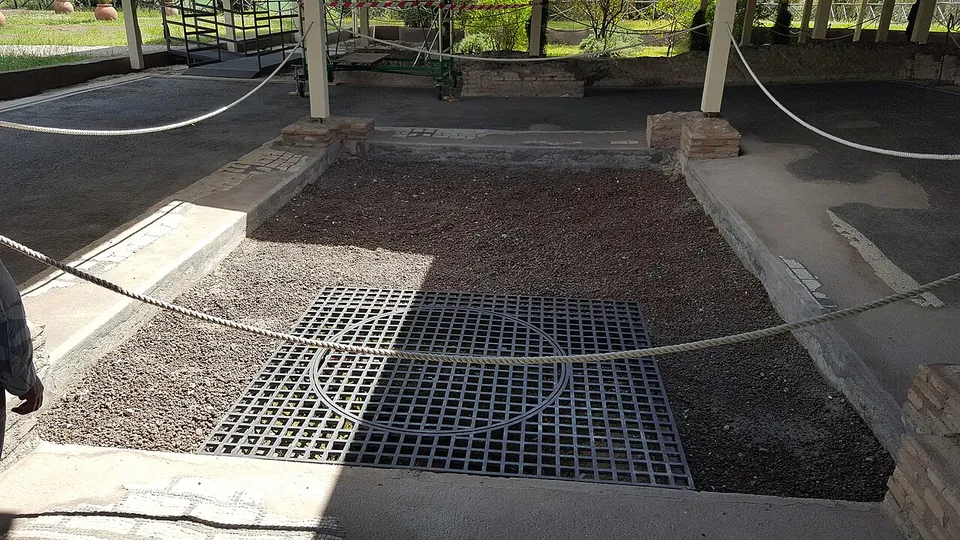
Photo: MumblerJamie · CC BY-SA 2.0 · Commons
13 km · villa · Lazio
Villa of Livia
The operator describes the private wing with the bedrooms of Livia and the emperor, an atrium and a small inner garden, and the large reception rooms that open onto a peristyle; the rooms once had painted walls and floors of mosaic and cut marble (Soprintendenza Speciale di Roma).
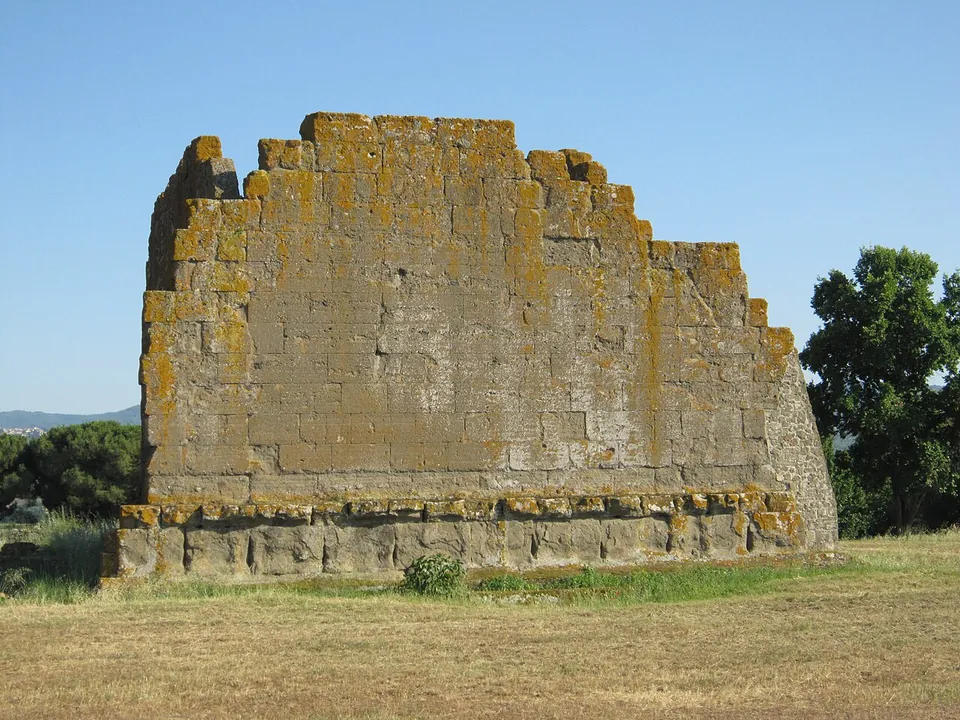
Photo: Carlomorino · CC BY-SA 3.0 · Commons
16 km · city · Lazio
Gabii
The park the state holds covers about 70 hectares on the southern rim of a volcanic crater whose lake was drained in the 19th century (the operator; en.wikipedia).
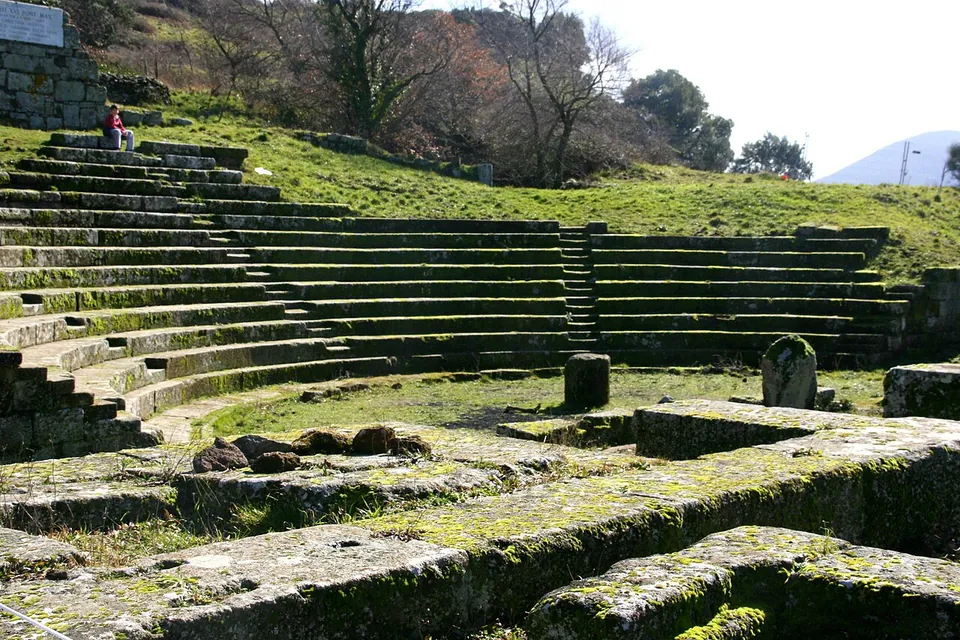
Photo: Luiza Serpa Lopes · Public domain · Commons
18 km · city · Lazio
Tusculum
The visitor route runs mainly through the forum, with the theatre halfway round (the operator).


Straight-line distances.
Sources
Every fact on this page comes from the records below, each used under the licence noted.
| Source | Licence |
|---|---|
| Pleiades 423093 | CC BY |
| Wikidata Q56256447 | CC0 |
| Vici.org 70871 | CC BY-SA (text), CC0 (metadata) |
| OpenStreetMap node/1453469565 | ODbL |
| Sovrintendenza Capitolina — Mausoleo detto "Il Torrione" (description and access) | licence not recorded |
| Sovrintendenza Capitolina — press release of 3 June 2026 on the free openings of nine sites restored under PNRR Caput Mundi (PDF) | licence not recorded |
| Turismo Roma — Mausoleo detto Il Torrione | licence not recorded |
| Turismo Roma — Torrione Prenestino apertura straordinaria | licence not recorded |
| Turismo Roma — Parco del Torrione Prenestino | licence not recorded |
| Turismo Roma — Estate al Torrione 2026 | licence not recorded |
| Wikipedia (it) — Torrione prenestino | CC BY-SA 4.0 |