


Photo: Gius195 · CC BY-SA 4.0 · Commons

tomb · Campania
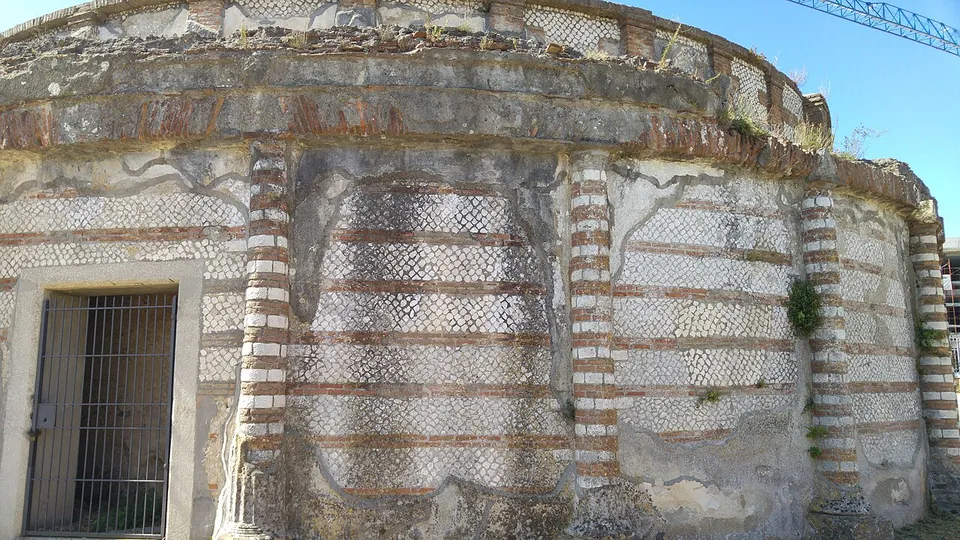
Carceri Vecchie Roman Mausoleum
The tomb sits below today's ground level, in a sunken enclosure next to a shopping centre car park.
Restricted access
Capua antica, Colonia Iulia Felix
city · Campania, Italy
3 places to see, the best preserved and best known first.
Photo: Gius195 · CC BY-SA 4.0 · Commons
tomb · Campania
The tomb sits below today's ground level, in a sunken enclosure next to a shopping centre car park.
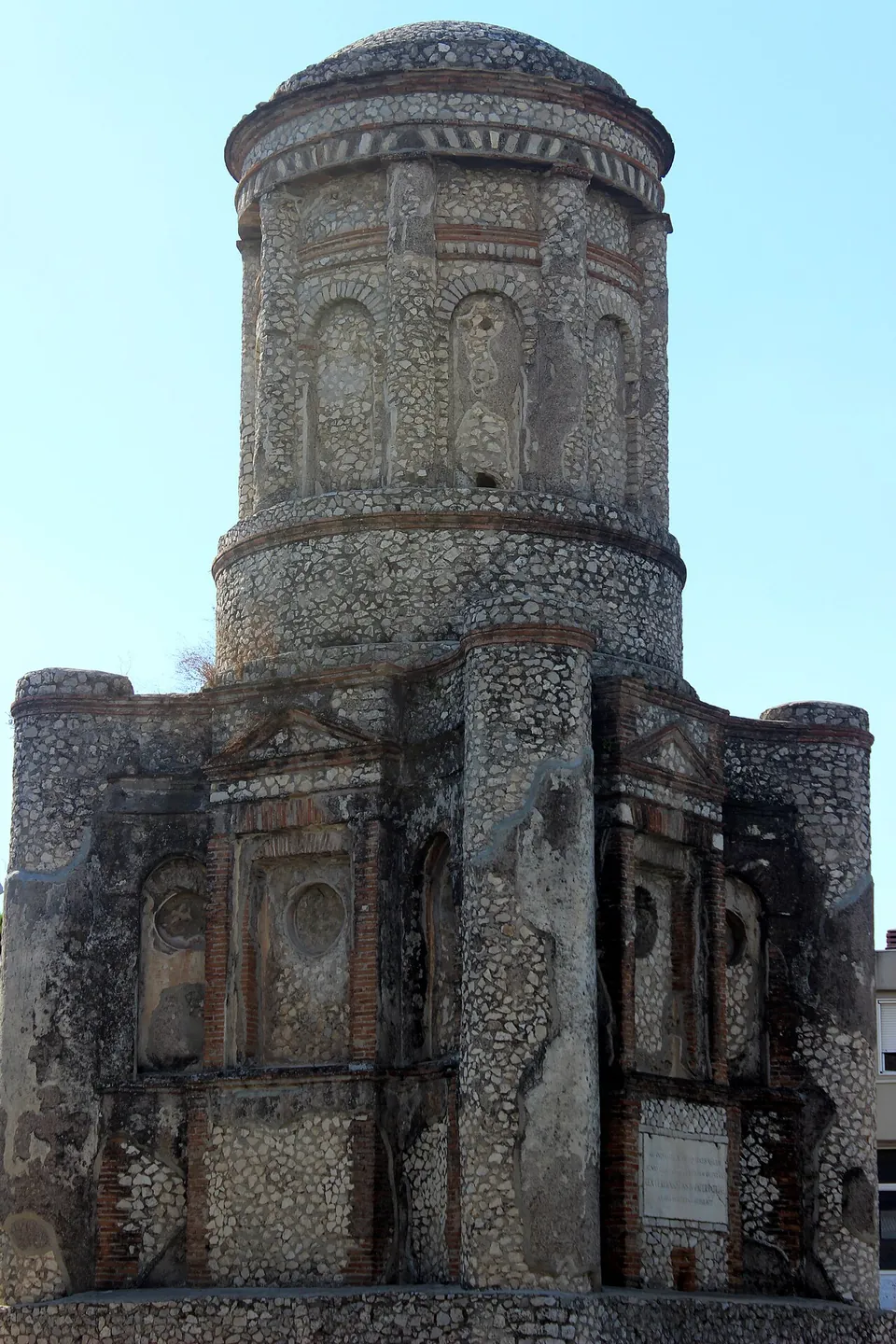
Photo: Miguel Hermoso Cuesta · CC BY-SA 4.0 · Commons
tomb · Campania
What you see is the outside of the tomb, standing on its own by a main road among modern buildings.
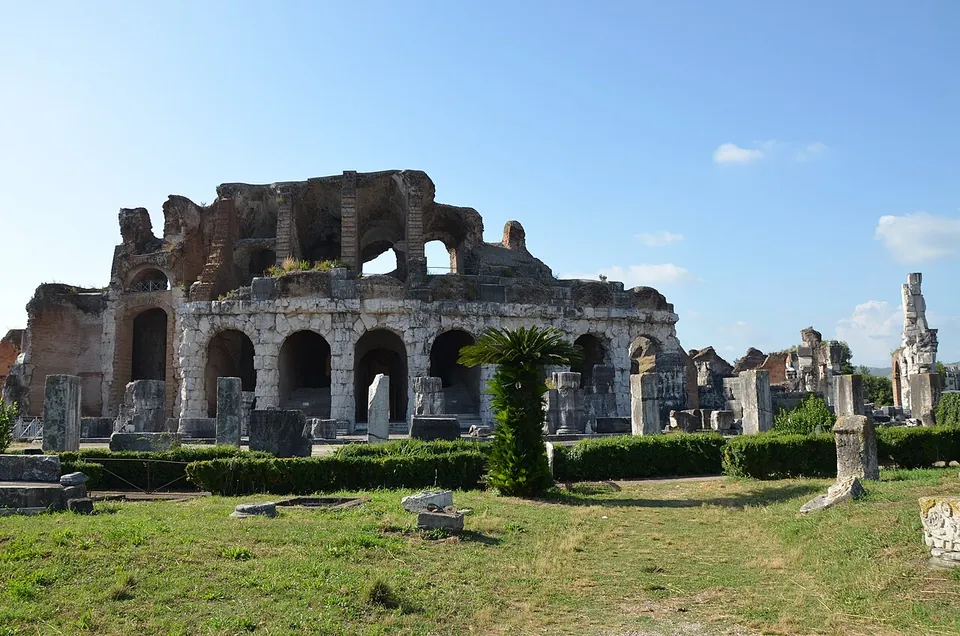
Photo: Carole Raddato from FRANKFURT, Germany · CC BY-SA 2.0 · Commons
amphitheatre · Campania
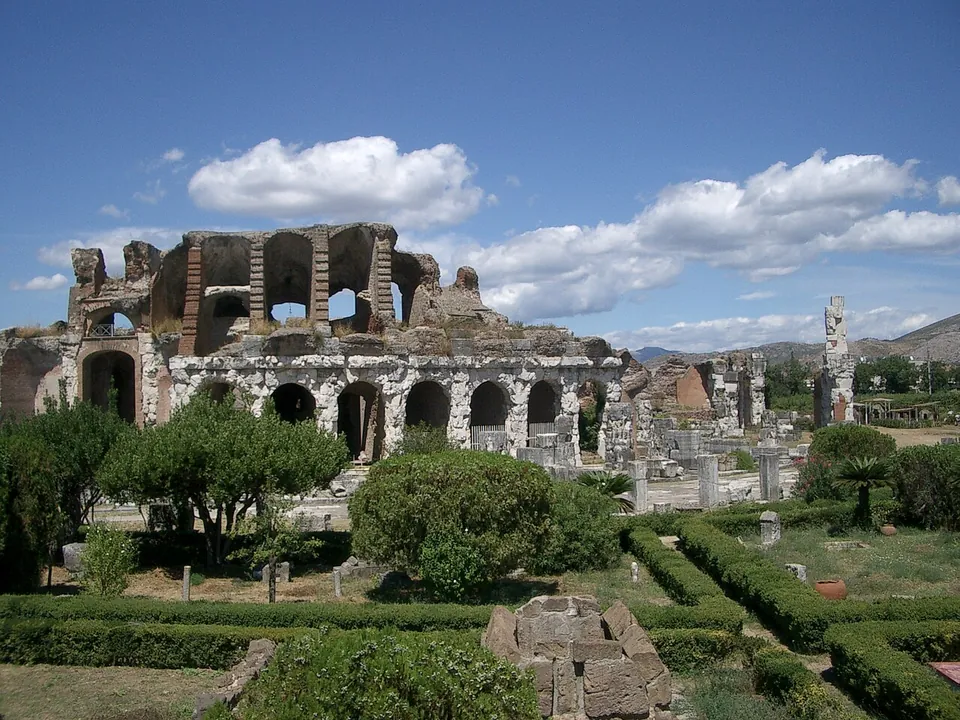
Much of the building is ruin.
Capua was one of the largest cities of ancient Italy, and its remains lie under and around the modern town of Santa Maria Capua Vetere in the province of Caserta. The reason to come is the Anfiteatro Campano, second in size only to the Colosseum, and a painted underground shrine of Mithras a few streets away.
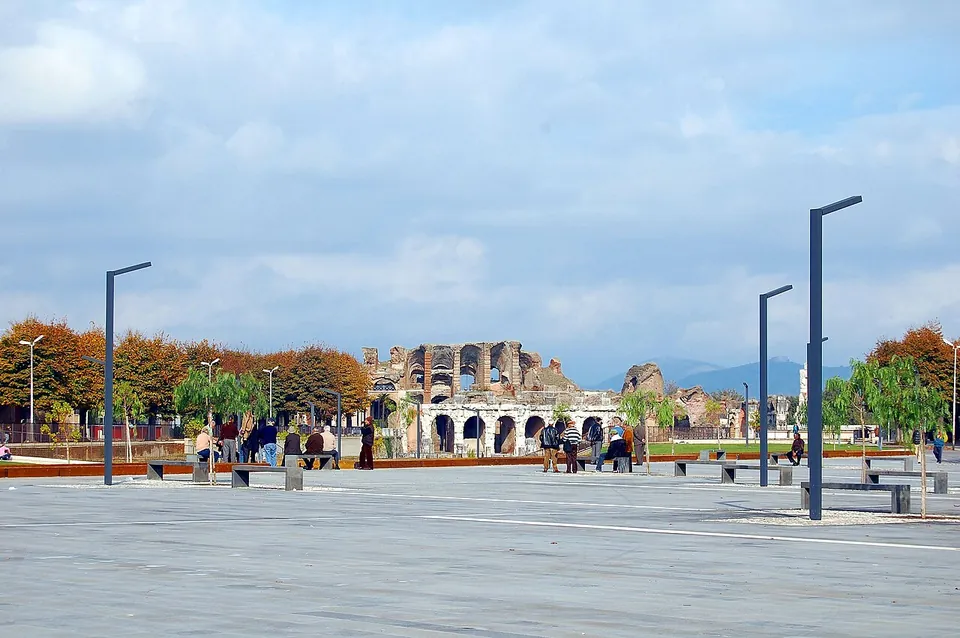
The Roman city lies beneath the modern one, so Capua is visited as a set of separate stops, not as one field of ruins. The centre of it all is the amphitheatre. The operator describes it standing in a park with other remains of the Roman town: the Republican amphitheatre that came before it, probably the first Roman amphitheatre built in masonry, an octagonal building of the imperial period and a curved portico in front of the great arena. Next door, the Museo dei Gladiatori has copies of gladiators’ armour found at Pompeii, a model of the amphitheatre and a reconstructed section of its seating with the marble decoration (cultura.gov.it). About 300 m away, the Arch of Hadrian spanned the Appian Way and formed an entrance to the city. It had three openings, and three piers and one side arch still stand (it.wikipedia).
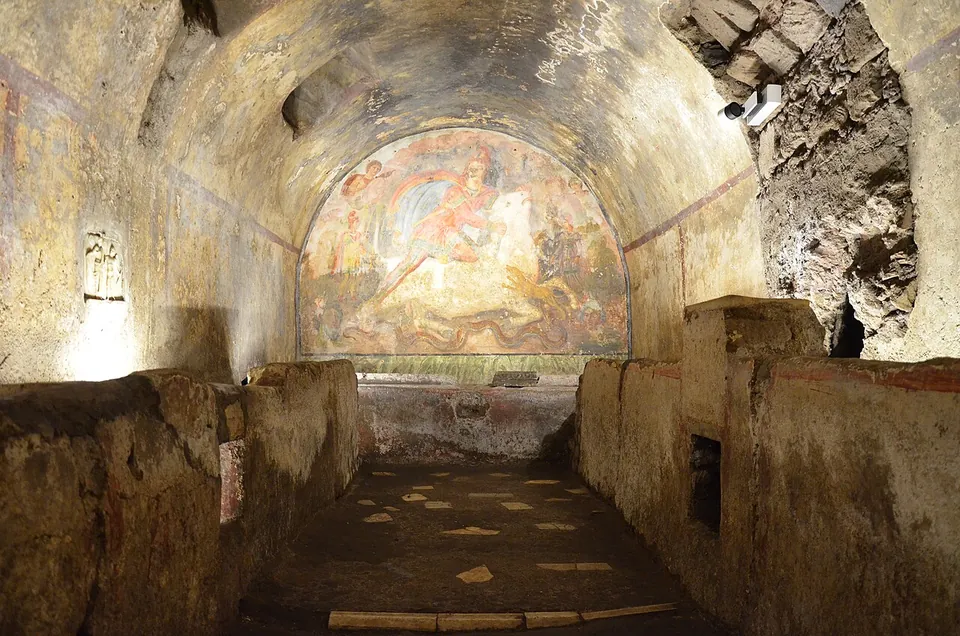
About 700 m south of the amphitheatre, the Mithraeum, an underground shrine of Mithras with a painted cult room, is on the amphitheatre’s ticket; the amphitheatre page describes it and gives its booking rules. East of the town, along the Via Appia, stand two Roman tombs just over 600 m apart: the Conocchia at Curti, a tall tomb built in stacked storeys, and the Carceri Vecchie at San Prisco, a two-storey tomb of the first century AD with a vaulted burial chamber, where a small chapel was built in place of the original entrance in the 19th century (it.wikipedia). Both can be seen from outside; the Conocchia’s chamber opens only on days the Soprintendenza announces, the Carceri Vecchie’s on request (cultura.gov.it).
Other remains are scattered through the town (it.wikipedia):
The two houses lie under modern buildings and are normally closed to the public. The Soprintendenza opens them on days it announces: in 2014 it ran a January-to-March programme of free openings of the Domus of Confuleius, the Domus of Via degli Orti and the Officina dei Bronzi, and the Domus of Confuleius opened again for the European Heritage Days in 2023 and, free, for Appia Day in September 2024 (cultura.gov.it). Watch the ministry’s event listings if you want to see it. No source says whether the cryptoporticus or the basin can be visited. The Museo archeologico dell’antica Capua incorporates a tower that stood on the remains of the Capitolium, at the south end of the ancient forum (cultura.gov.it), but it has been closed for works since February 2026.
Yes, for the amphitheatre and the Mithraeum. In 2024 the amphitheatre, the Arch of Hadrian and the museum area with the Mithraeum were recognised as World Heritage by UNESCO, as part of the “Via Appia. Regina Viarum” serial site (it.wikipedia). The arch and the Mithraeum are both within a short walk of the amphitheatre, and one ticket covers the amphitheatre, the gladiator museum and the Mithraeum, so a half day here is well spent.
Plan ahead for the Mithraeum, which opens only by booking and to few visitors a day; the amphitheatre page has the details. The houses under the modern town open only on occasional announced days, so do not build a visit around them. The two tombs on the Appia lie about 2 and 2.5 km east of the amphitheatre, so they are easier by car or bike than on foot.
One thing to know before you set off: the town called Capua on today’s map is not this one. It is the place survivors moved to after the ancient city was sacked in 841, on the site of the Roman river port of Casilinum (it.wikipedia). Ancient Capua is Santa Maria Capua Vetere.
Santa Maria Capua Vetere has a station on the Rome–Naples railway via Cassino, and the Alifana line has a stop called Anfiteatro. By car, the A1 motorway has a Santa Maria Capua Vetere exit (it.wikipedia). OpenStreetMap shows a car park about 250 m from the amphitheatre and a bus stop named Arco di Adriano next to the arch.
Opening hours, prices and how to buy the ticket and book the Mithraeum are on the amphitheatre page. The Carceri Vecchie can be visited on request by phoning +39 0823 844206 (cultura.gov.it).
Before you go
Hours and prices checked 21 October 2026 on the operator's own site. Confirm before travelling.
Capua probably grew out of Villanovan villages of the 9th century BC and was Etruscan and then Oscan before it was Roman (it.wikipedia). Under siege by the Samnites in the 4th century BC, when it was probably the largest city in Italy, it gave itself up to Rome for protection. In 338 BC it became a civitas sine suffragio, a community with Roman citizenship but no vote, and it kept its own laws, language and senate. From 312 BC the Via Appia connected it directly to Rome (it.wikipedia; en.wikipedia).
After the Roman defeat at Cannae, Capua sided with Hannibal, and his army spent the winter there. Rome retook the city in 211 BC after two sieges and confiscated its land (it.wikipedia). It recovered as a maker of luxury goods (perfumes, bronzes, pottery) and built a theatre, porticoes and the first amphitheatre. Its gladiator school, tied to the amphitheatre, was where the revolt led by Spartacus began in 73 BC. In 59 BC Caesar refounded the city as Colonia Iulia Felix and settled 20,000 colonists on its land, and Cicero called it altera Roma, “the other Rome”. Hadrian completed the new amphitheatre with statues, columns and marble and gave the city a triumphal arch (it.wikipedia).
Constantine made Capua the seat of the governor of Campania. Under Ostrogothic rule the governor Lampadius had the amphitheatre restored, and after the Gothic War the city was retaken by the Eastern Romans after 553 (it.wikipedia). In 841 Saracen mercenaries sacked it. Most of the survivors left and in 856 founded the new Capua at Casilinum. Those who stayed fortified the amphitheatre (it.wikipedia). The modern town grew slowly from hamlets around the early Christian basilicas, and took the name Santa Maria Capua Vetere, “Old Capua”, in 1862 (it.wikipedia).
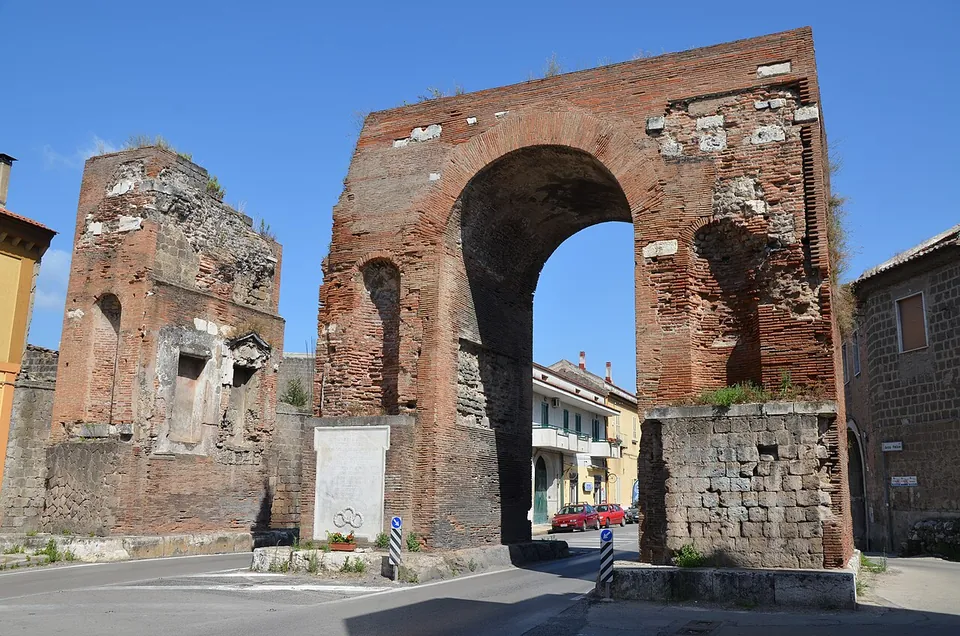
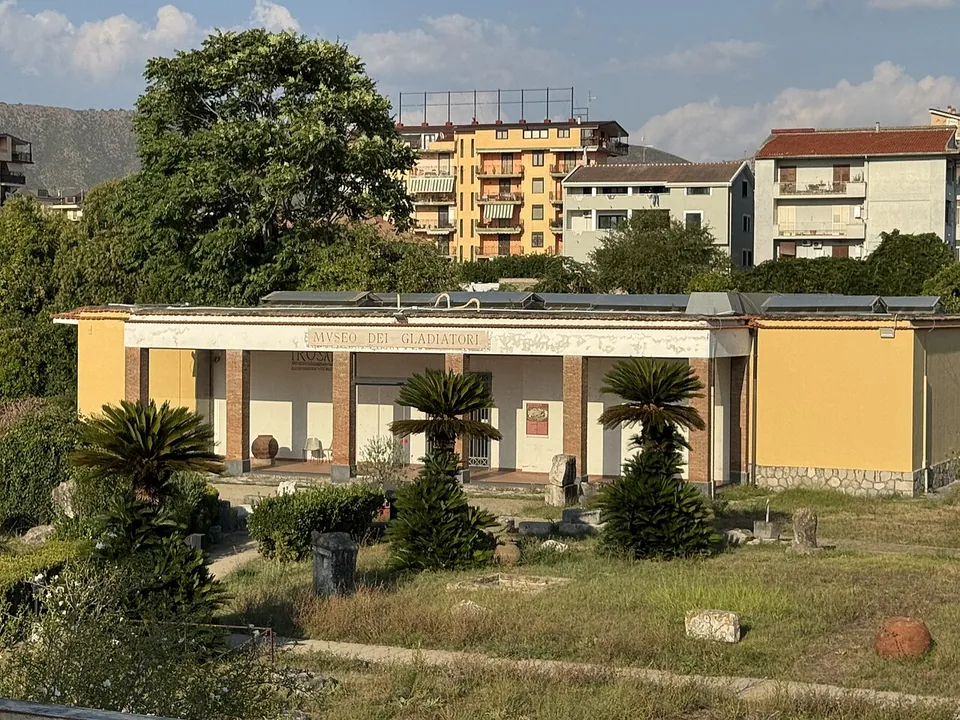
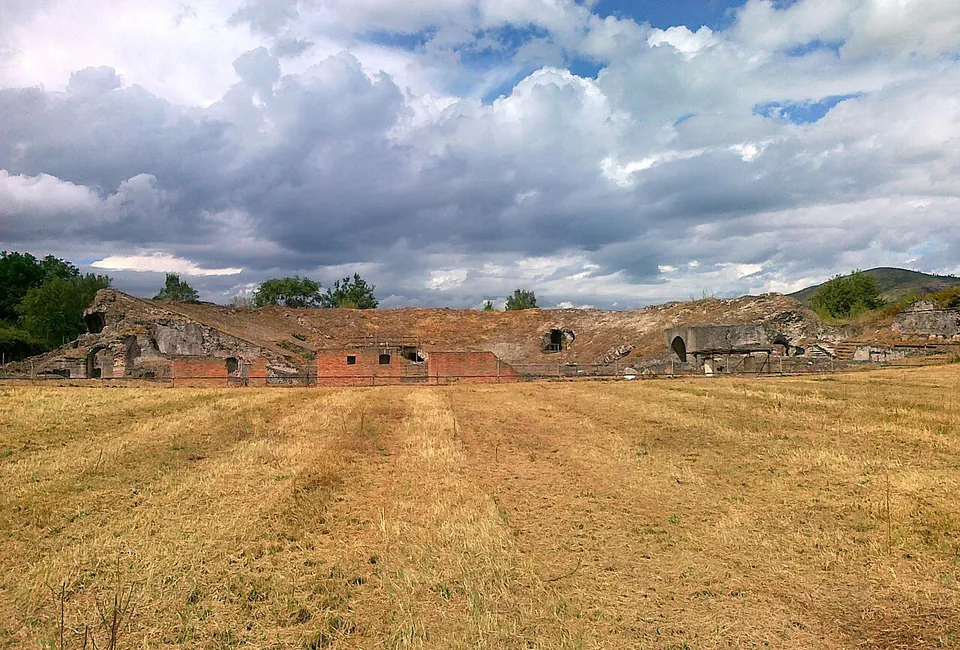
Photo: PietroCifone · CC BY-SA 3.0 · Commons
16 km · city · Campania
The ancient town survives across its whole extent, though the motorway runs through it, and the Ministry of Culture says plainly that its remains are not easy to read on the ground (cultura.gov.it).
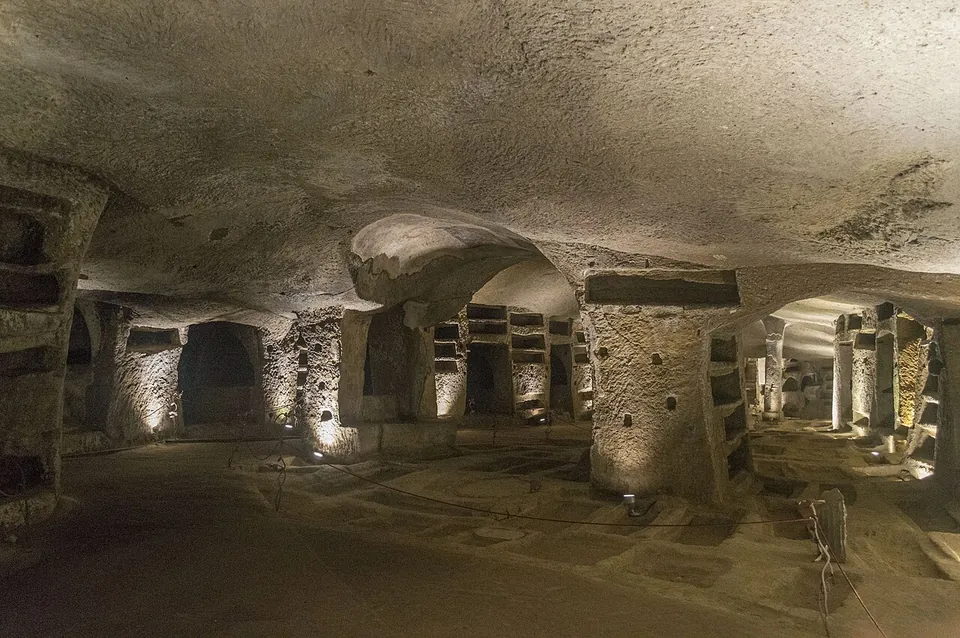
Photo: Dominik Matus · CC BY-SA 4.0 · Commons
24 km · necropolis · Campania
The catacombs lie on two levels, side by side rather than stacked, and both are unusually spacious, unlike the better-known catacombs of Rome, because the tuff was easy to cut and strong enough to stand (the operator).
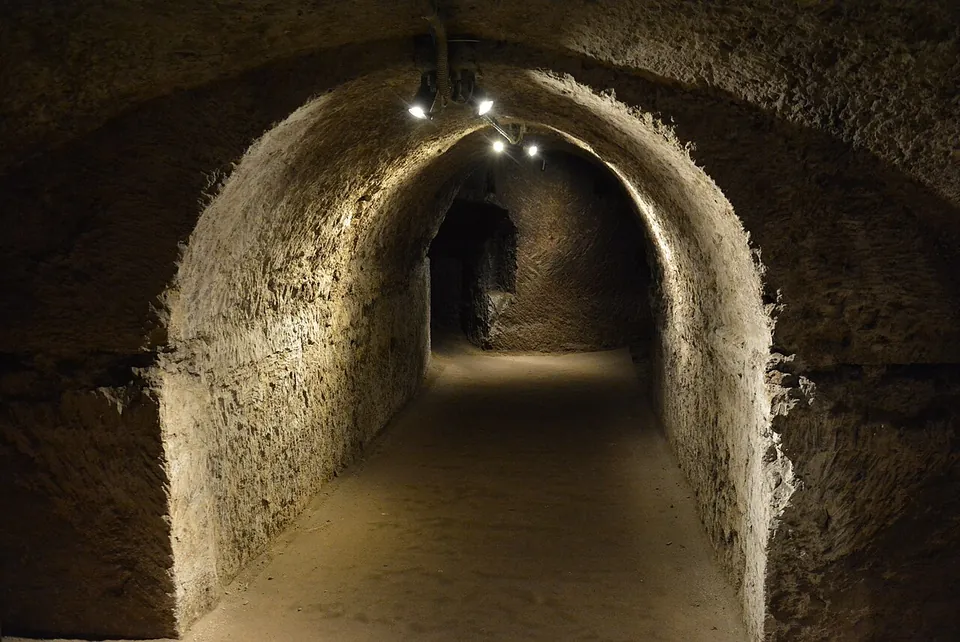
Photo: Mentnafunangann · CC BY-SA 4.0 · Commons
25 km · necropolis · Campania
The visit starts in the crypt under the church's raised choir, which was once a corridor of the catacomb and is now a chapel with ten side altars, painted with stories of the martyrs by Bernardino Fera (it.wikipedia; the operator).
Straight-line distances.
Every fact on this page comes from the records below, each used under the licence noted.


