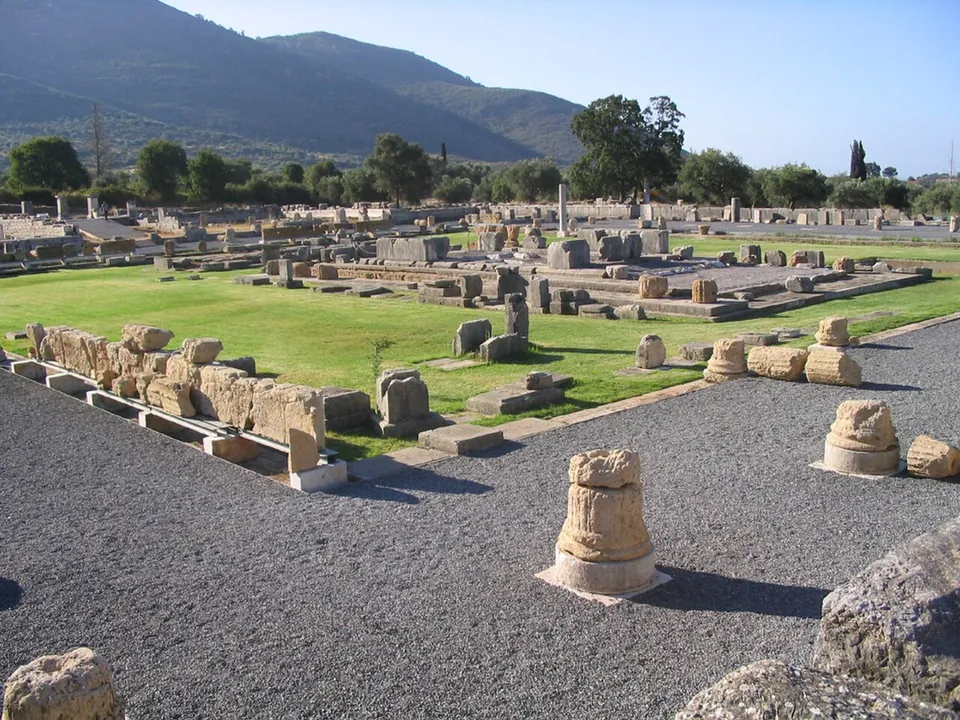
Rome’s Greek era began in 146 BC, when the general Lucius Mummius sacked Corinth and mainland
Greece passed to the Roman Republic. Macedonia in the north, conquered in 168 BC, was made a
province in that year too, and the Via Egnatia crossed it from west to east, on its way from
Dyrrachium on the Adriatic through Thessalonica to Byzantium. Augustus made the south a
province of its own, Achaia: the Peloponnese, Attica, Boeotia, Euboea, the Cyclades and parts
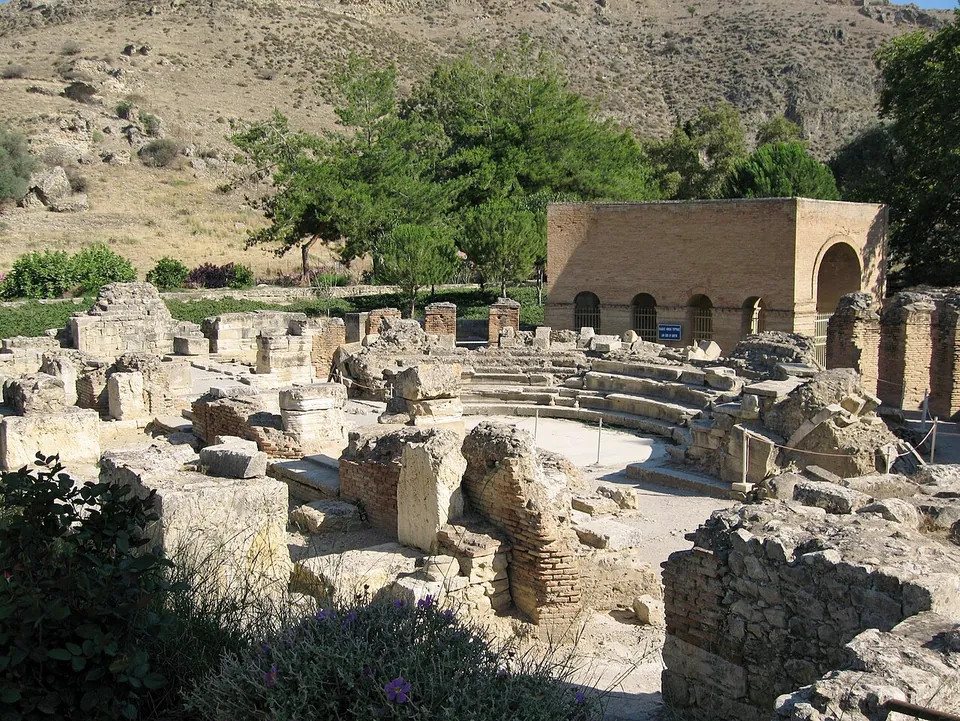
of Phthiotis, Aetolia and Phocis. Crete was joined to Cyrenaica, in today’s Libya, in a
province established in 67 BC with its capital at Gortyn, and under Trajan Epirus became a
province too, with Nicopolis as its capital.
Achaia was one of the most sought-after provinces for a senator to govern, and Athens was the
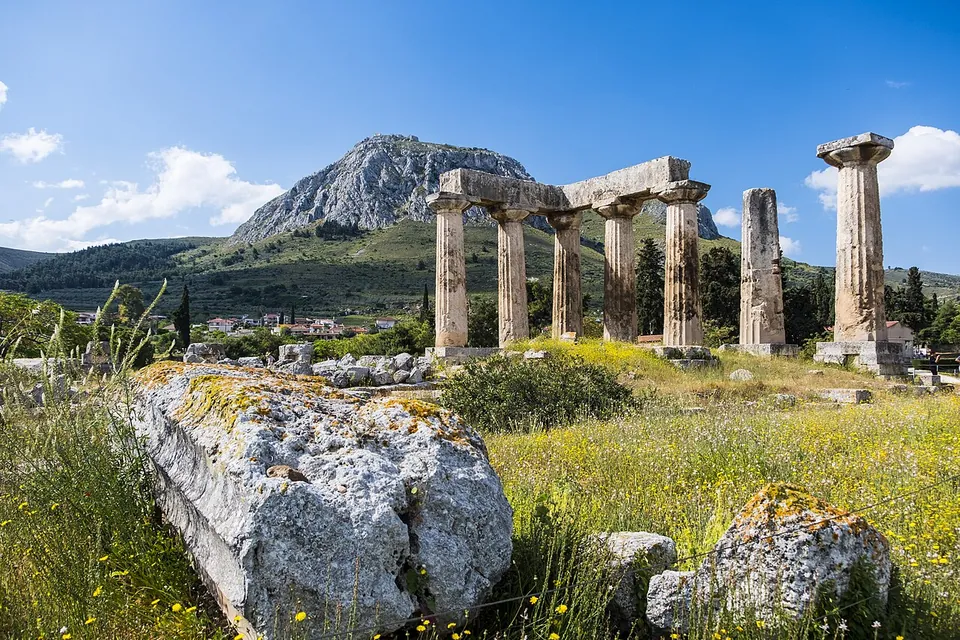
leading centre of education for the imperial elite, rivalled only by Alexandria. Corinth,
rebuilt by the Romans in 44 BC on the site of the city they had destroyed, later became the
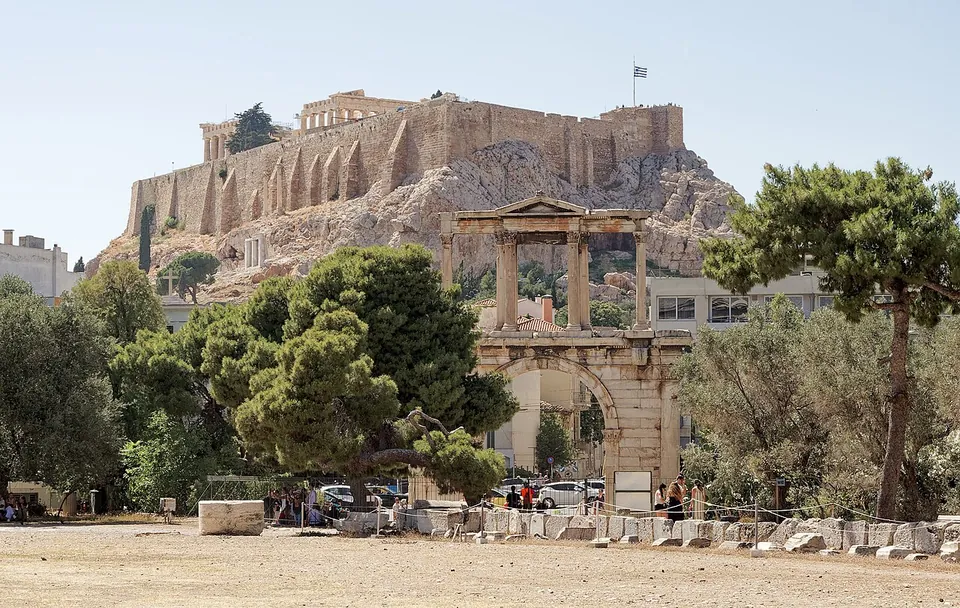
provincial capital. In Athens the Roman city stands beside the older one: the Roman Agora
east of the Ancient Agora, the library Hadrian built in AD 132 on the north side of the
Acropolis, and the Odeon of Herodes Atticus, completed in AD 161 on its south-west slope.
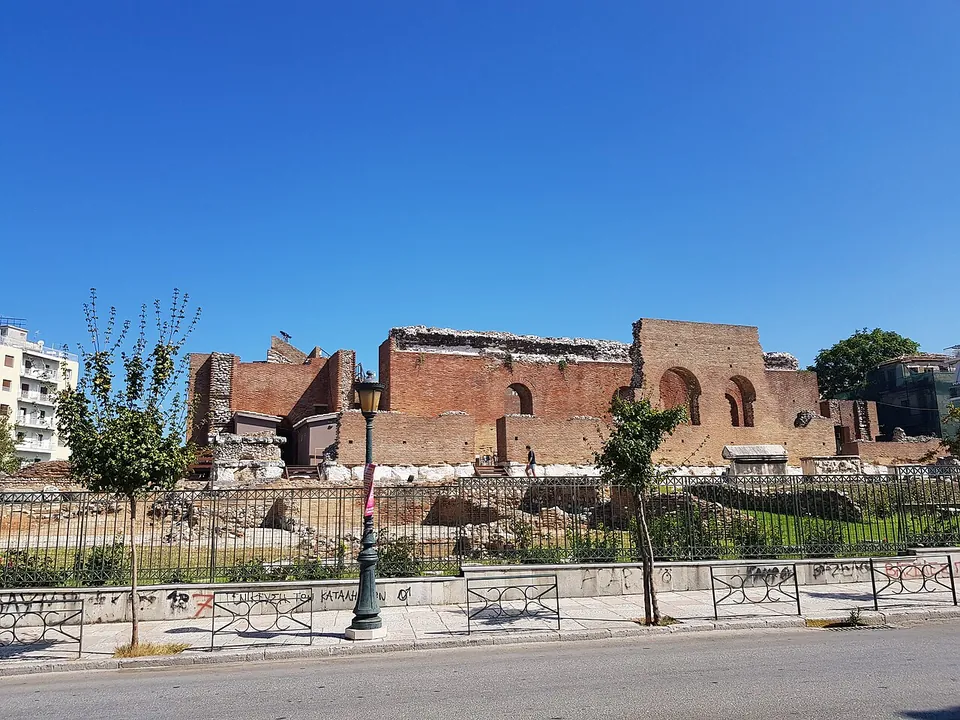
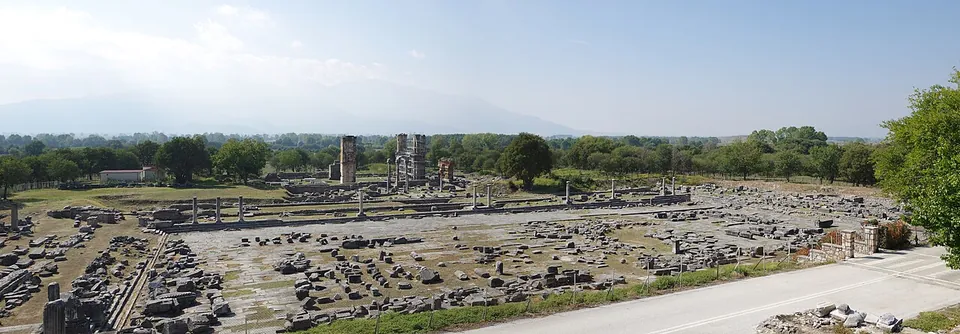
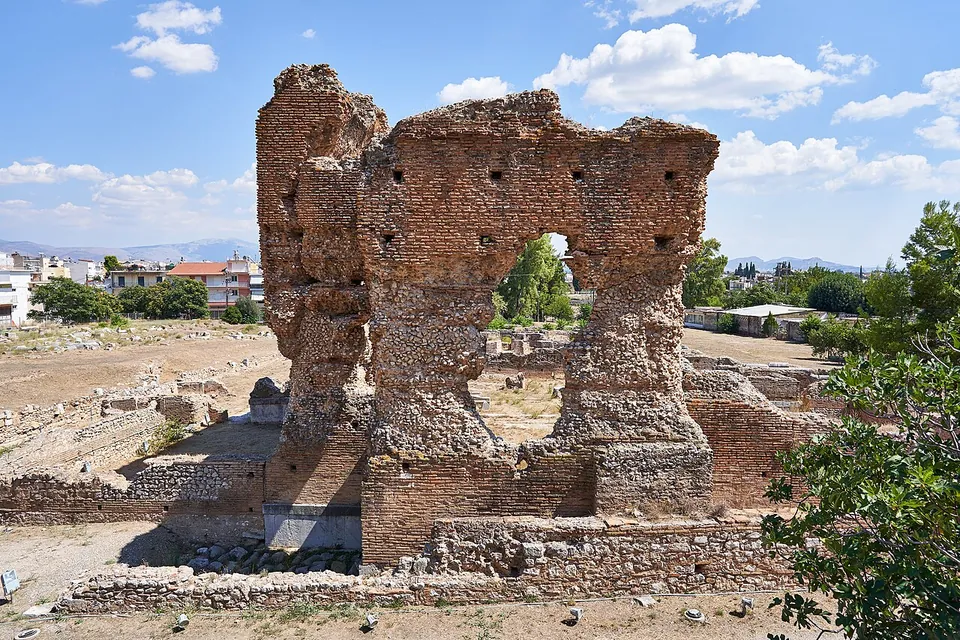
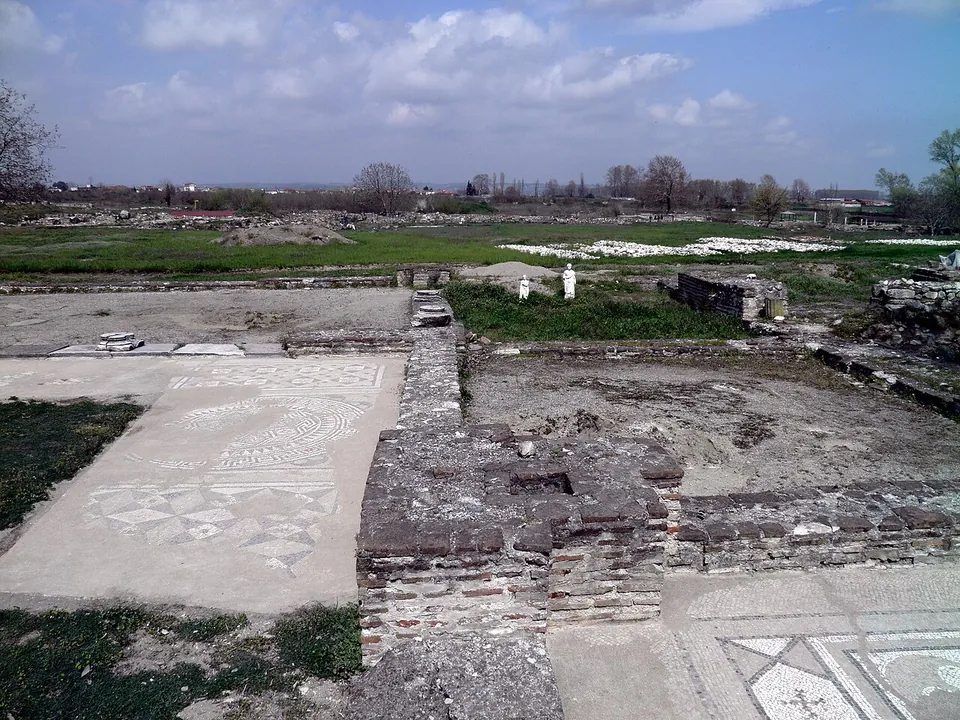
In the north, Macedonia prospered under the empire, notably its cities of Thessalonica and
Philippi. Philippi, where the battle of 42 BC was fought, has been a UNESCO World Heritage Site
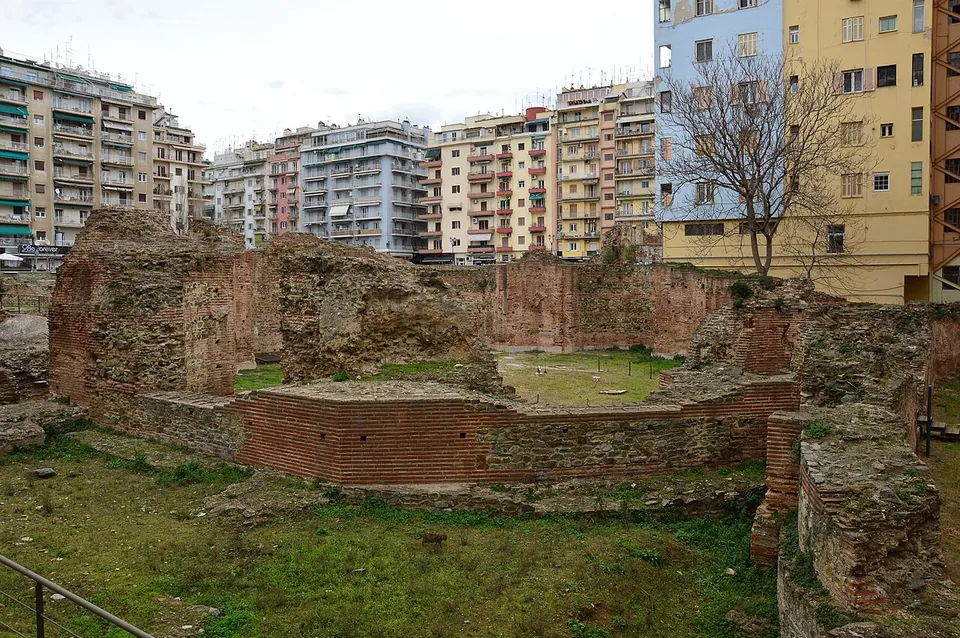
since 2016, in part for its exceptional Roman architecture. In late antiquity Thessalonica became the regional centre of the Balkans, and the
Arch of Galerius and the Rotunda, neighbouring monuments of the early 4th century AD, stand in
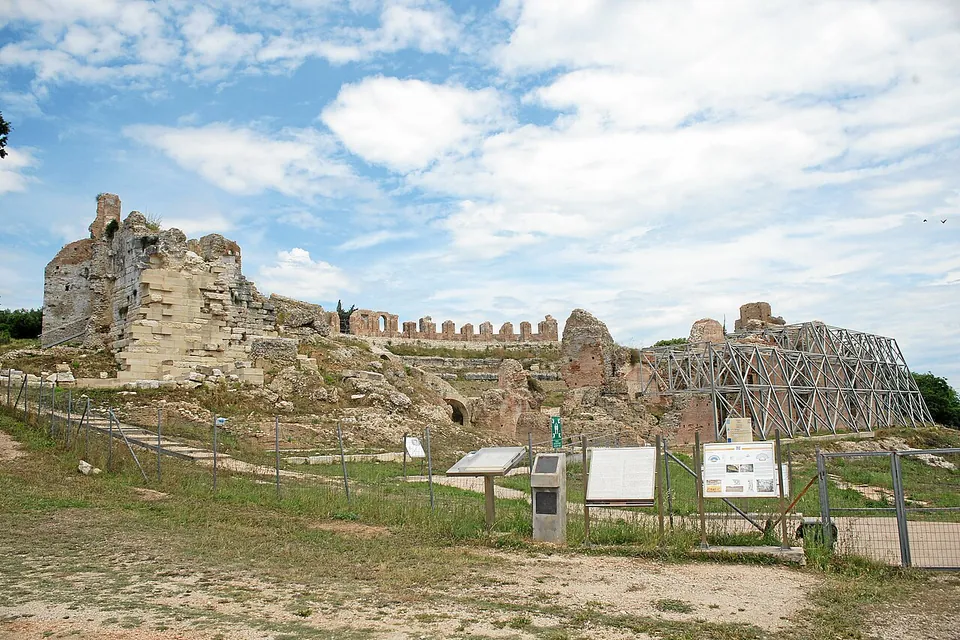
the modern city. Near Preveza, Octavian founded Nicopolis, the “City of Victory”, in 29 BC to
mark his victory over Antony and Cleopatra at Actium.
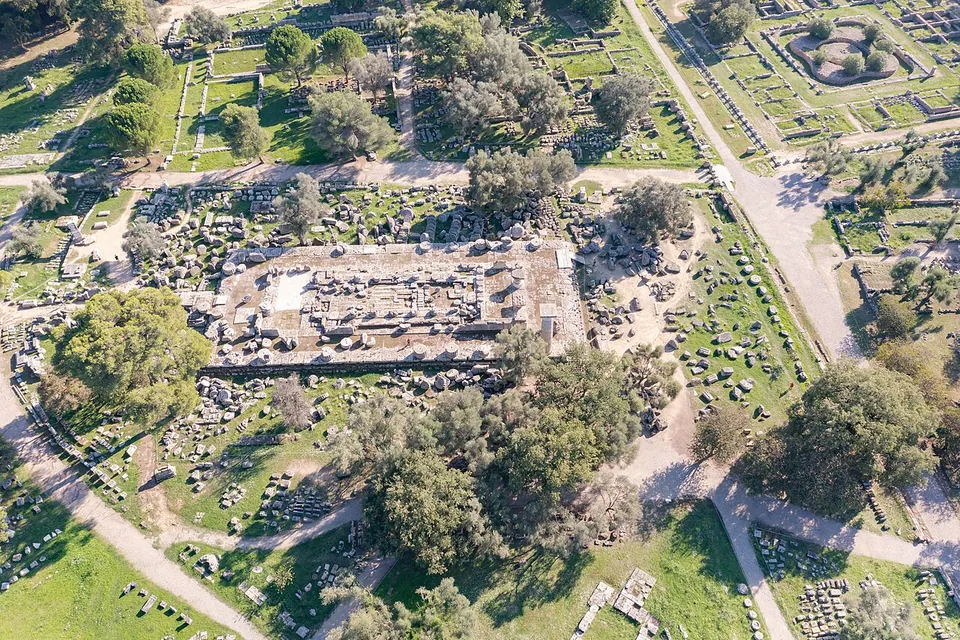
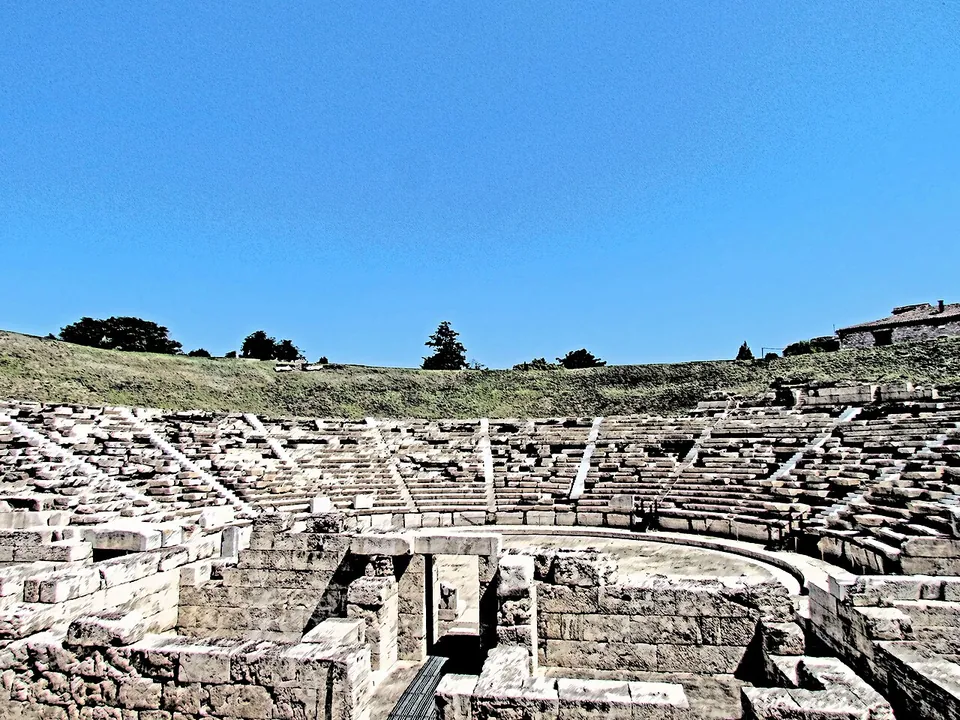
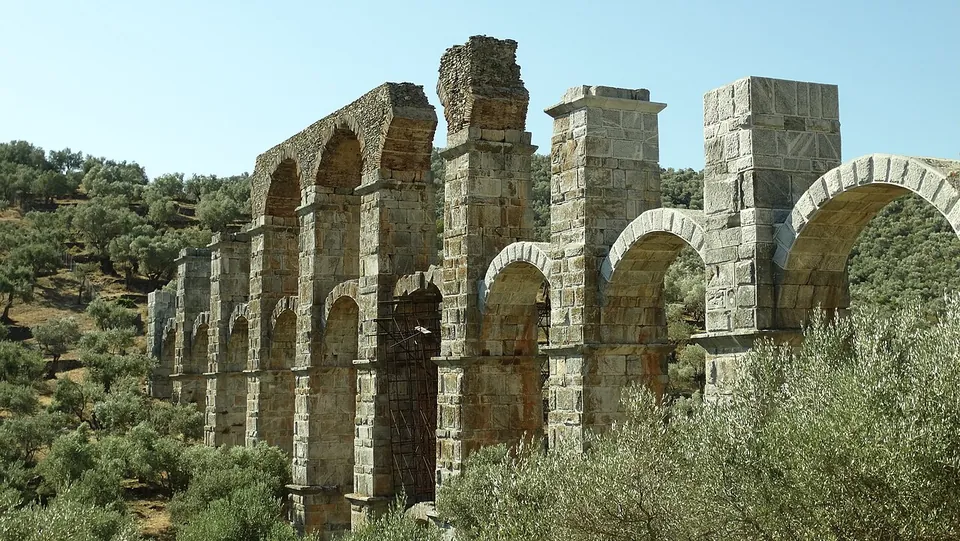
At Olympia the Games went on under Rome until the 4th century AD. This atlas lists the places where Roman or late antique remains are part of what a
visitor sees today, so Greece’s earlier sites appear only where Rome built on them. Each page
below says what is visible at the site today, whether it is worth the trip, and how to get
there.